Botox
Description
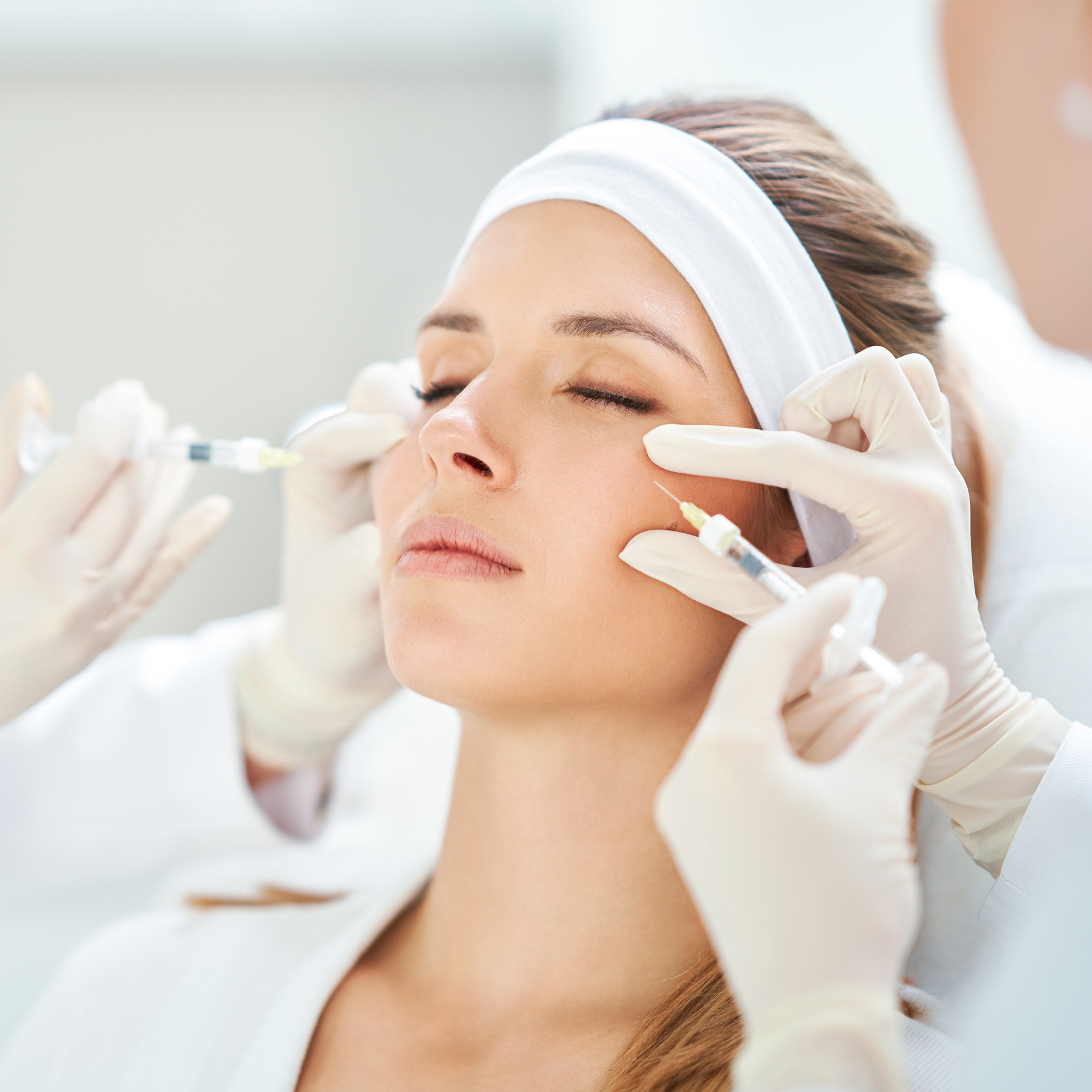
Botox, short for Botulinum toxin, is a neurotoxic protein produced by the bacterium Clostridium botulinum. In medical and cosmetic applications, Botox is used as an injectable treatment to temporarily reduce or eliminate facial wrinkles and fine lines by relaxing the muscles responsible for their formation.
Recommended For
Botox is recommended for clients seeking cosmetic improvements, such as the reduction of:
• Forehead wrinkles.
• Frown lines (between the eyebrows).
• Crow's feet (lines around the eyes).
• Neck bands.
• Hyperhidrosis (excessive sweating).
• Chronic migraines.
• Muscle spasms (e.g., in cervical dystonia or spasticity).
• Certain medical conditions or symptoms as determined by a healthcare provider.
Benefits
The benefits of Botox may include:
• Smoother and more youthful-looking skin.
• Reduced wrinkles and fine lines.
• Relief from excessive sweating or muscle-related conditions.
• Temporary relief from chronic migraines or muscle spasms.
Contraindications
Botox may not be suitable for individuals with certain medical conditions, allergies to Botox or its components, or specific contraindications outlined by healthcare providers. Pregnant or nursing women should consult with their healthcare provider before considering Botox.
How it works
Botox works by blocking nerve signals in the muscles where it is injected, preventing those muscles from contracting. This temporary muscle paralysis reduces the appearance of wrinkles caused by repeated muscle movements, such as smiling or frowning.
Supporting Evidence
Botox is widely used in both cosmetic and medical applications and has a substantial body of clinical evidence supporting its effectiveness and safety for approved indications.
Origin & History
Botox was first developed for medical purposes and gained FDA approval in 1989 for the treatment of specific eye muscle disorders. Its cosmetic use to reduce wrinkles was later discovered and received FDA approval in 2002.
Proprietary or generic?
Botox is a brand name for Botulinum toxin, and it is a proprietary product manufactured by Allergan, Inc. While other Botulinum toxin products exist, Botox is one of the most well-known and widely used brands in the field of cosmetic and medical applications.
For Wellness Business
Staffing
Botox injections should be administered by licensed healthcare professionals, such as dermatologists, plastic surgeons, or trained nurses, who are experienced in the procedure. Qualifications and licensure requirements vary by region and country.
Training
Training in Botox administration is available through medical schools, aesthetic training programs, and workshops offered by pharmaceutical companies. Healthcare professionals must complete appropriate training and certification before administering Botox.
Products & Equipment
Botox is available as a pharmaceutical product and must be stored and administered following strict guidelines to ensure safety and effectiveness. The equipment required includes sterile syringes and needles for injections.
Facilities
Botox injections can be performed in medical offices, dermatology clinics, and aesthetic centres. Facilities should adhere to medical and safety standards.