
Cryolipolysis
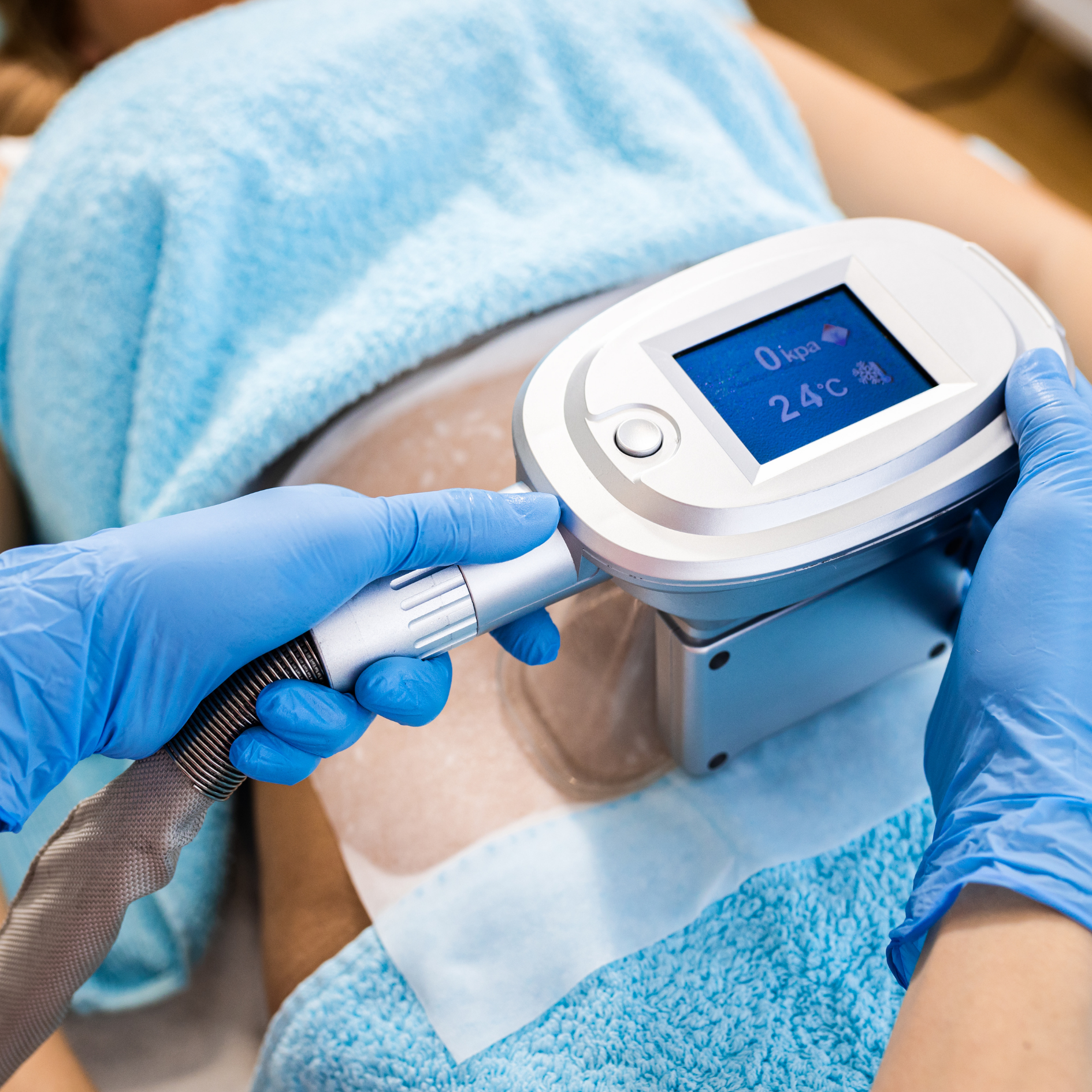
Description
Cryolipolysis, commonly known as "fat freezing," is a non-invasive cosmetic procedure designed to reduce localised fat deposits in specific areas of the body. During a cryolipolysis treatment, a device is used to cool and freeze fat cells, causing them to break down and be naturally eliminated by the body.
Recommended For
Cryolipolysis is recommended for individuals who have stubborn pockets of fat that are resistant to diet and exercise efforts. It is typically used for body contouring in areas such as the abdomen, flanks, thighs, and under the chin.
Benefits
• Reduction of localised fat deposits.
• Non-surgical and non-invasive.
• Minimal to no downtime.
• No anaesthesia or surgical incisions required.
• Gradual and natural-looking results.
• Improved body contour and appearance.
Contraindications
Cryolipolysis may not be suitable for everyone. Contraindications and considerations may include:
• Obesity (cryolipolysis is not a weight loss solution).
• Skin conditions or injuries in the treatment area.
• Cold-related medical conditions (e.g., cold urticaria).
• Pregnancy or breastfeeding.
• Recent surgery or hernia in the treatment area.
• Certain medical conditions (consultation with a healthcare provider is advised).
How it works
Cryolipolysis works on the principle that fat cells are more sensitive to cold temperatures than surrounding tissues. During the procedure, a specialised applicator is placed on the target area, cooling it to a precise temperature. This controlled cooling causes fat cells to undergo apoptosis, a natural cell death process. Over the following weeks, the body's lymphatic system clears away the damaged fat cells, resulting in a gradual reduction of fat in the treated area.
Supporting Evidence
Cryolipolysis has been approved by regulatory agencies like the FDA for the reduction of fat in specific areas. Clinical studies have shown its effectiveness in reducing fat thickness, but individual results can vary.
Origin & History
Cryolipolysis was developed by scientists at Harvard University and subsequently commercialised as the CoolSculpting® procedure by Zeltiq Aesthetics, Inc. It gained popularity as a non-invasive alternative to surgical liposuction.
Proprietary or generic?
Cryolipolysis is a generic term for the technique of freezing fat cells to reduce localised fat deposits. While CoolSculpting® is a trademarked and widely recognized brand associated with cryolipolysis, the broader concept and technique are not proprietary and have been adopted by various manufacturers and practitioners.
For Wellness Business
Staffing
Cryolipolysis treatments are typically performed by trained and certified practitioners, which can include licensed healthcare providers or technicians working under the supervision of a licensed professional.
Training
Training in cryolipolysis is offered by manufacturers and organisations specialising in medical aesthetics. Practitioners may need to complete certification programs to ensure safe and effective treatment delivery.
Products & Equipment
Cryolipolysis devices are manufactured by various companies and may come with different applicators designed for specific treatment areas. The equipment is designed to provide controlled cooling and monitoring of the treatment process.
Facilities
Cryolipolysis treatments are often offered in medical spas, dermatology clinics, and aesthetic practices. Facilities should have appropriate safety measures and hygiene protocols in place.