
Feldenkrais Method
Description
The Feldenkrais Method is an educational and movement-based therapy that focuses on improving body awareness, movement efficiency, and overall well-being. It was developed by Dr. Moshe Feldenkrais and emphasizes self-discovery and self-improvement through gentle movement and awareness exercises.
Recommended For
The Feldenkrais Method is recommended for individuals of all ages and abilities and can be beneficial for various conditions, including:
• Chronic pain and musculoskeletal issues
• Movement limitations and flexibility concerns
• Rehabilitation following injuries or surgeries
• Stress, anxiety, and tension reduction
• Posture improvement
• Enhanced athletic and artistic performance
Benefits
Benefits of the Feldenkrais Method may include:
• Improved body awareness and mindfulness
• Enhanced mobility, flexibility, and coordination
• Reduced pain and tension
• Stress relief and relaxation
• Improved posture and balance
• Greater ease of movement and efficiency
• Potential performance enhancement in sports and the arts
Contraindications
The Feldenkrais Method is generally considered safe and gentle, making it suitable for most individuals. However, there are no specific contraindications. It is adaptable to the needs and abilities of each person.
How it works
The Feldenkrais Method employs two main approaches:
• Awareness Through Movement (ATM): Group classes or individual sessions involve guided verbal instructions and gentle movements designed to improve body awareness and movement patterns.
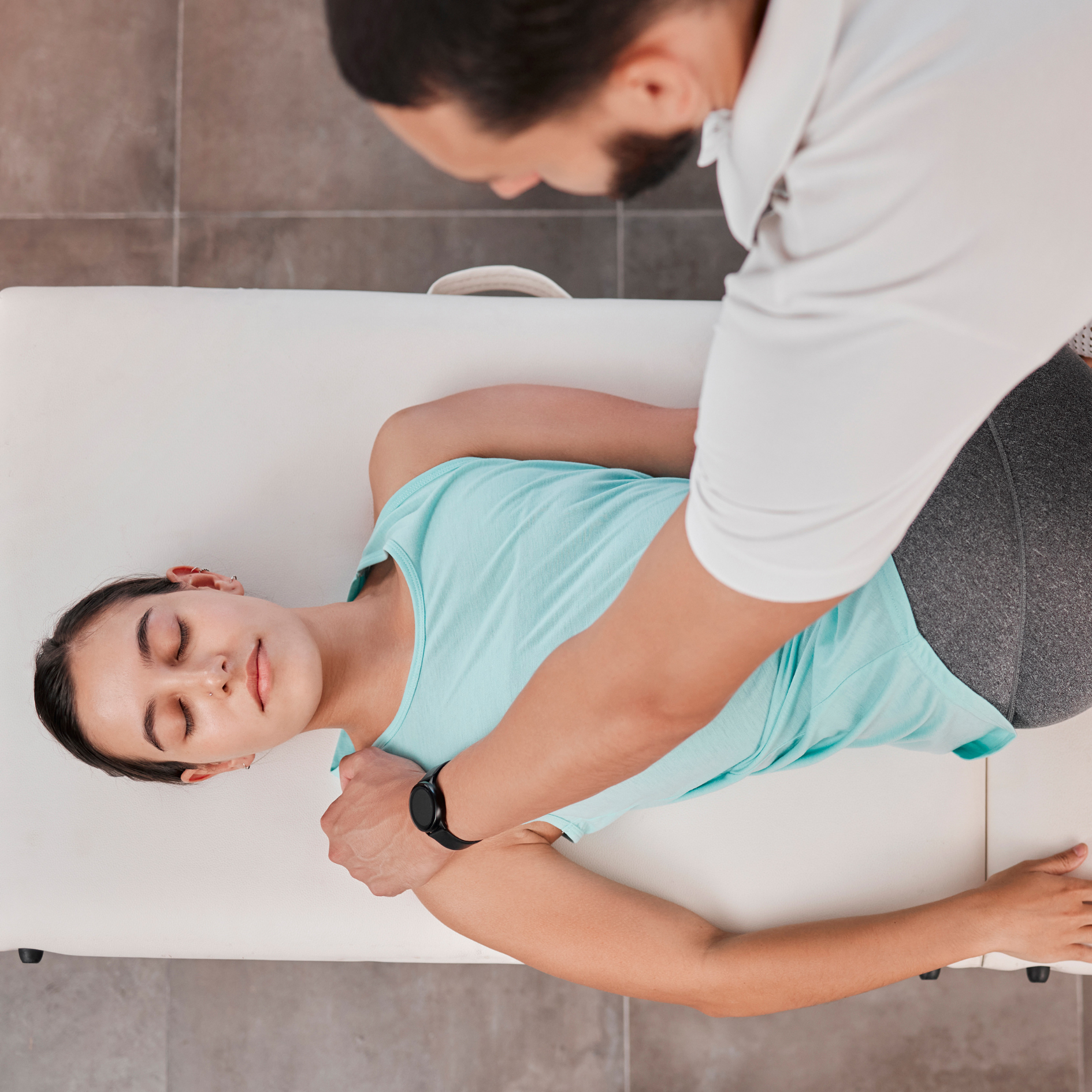
• Functional Integration (FI): Individualised hands-on sessions provided by a trained practitioner who uses gentle touch and movement to address specific concerns and facilitate improved movement patterns.
Supporting Evidence
The Feldenkrais Method has been studied for its effectiveness in improving various aspects of movement and well-being. While there is evidence supporting its benefits, more research is needed to establish its efficacy for specific conditions.
Origin & History
Dr. Moshe Feldenkrais, an engineer and physicist, developed the Feldenkrais Method in the mid-20th century based on his understanding of human movement and learning. He combined principles of biomechanics, psychology, and neuroscience to create the method.
Proprietary or generic?
The Feldenkrais Method is not proprietary or trademarked. It is considered a generic therapy, and its principles and techniques are widely taught and practised by certified practitioners and educators worldwide.
For Wellness Business
Staffing
Qualified Feldenkrais practitioners are certified by accredited training programs. They may have backgrounds in various fields, including physical therapy, dance, psychology, or education.
Training
Training in the Feldenkrais Method is available through accredited programs and workshops offered by certified trainers and educational institutions. Practitioners can seek certification to demonstrate their competence in the method.
Products & Equipment
The Feldenkrais Method does not require special equipment or products. It primarily involves a comfortable space for movement and, in the case of Functional Integration, a padded treatment table.
Facilities
The Feldenkrais Method can be practised in various settings, including dedicated studios, community centres, or private practice spaces. The environment should be conducive to relaxation and focused awareness.