
Foot Reflexology
Description
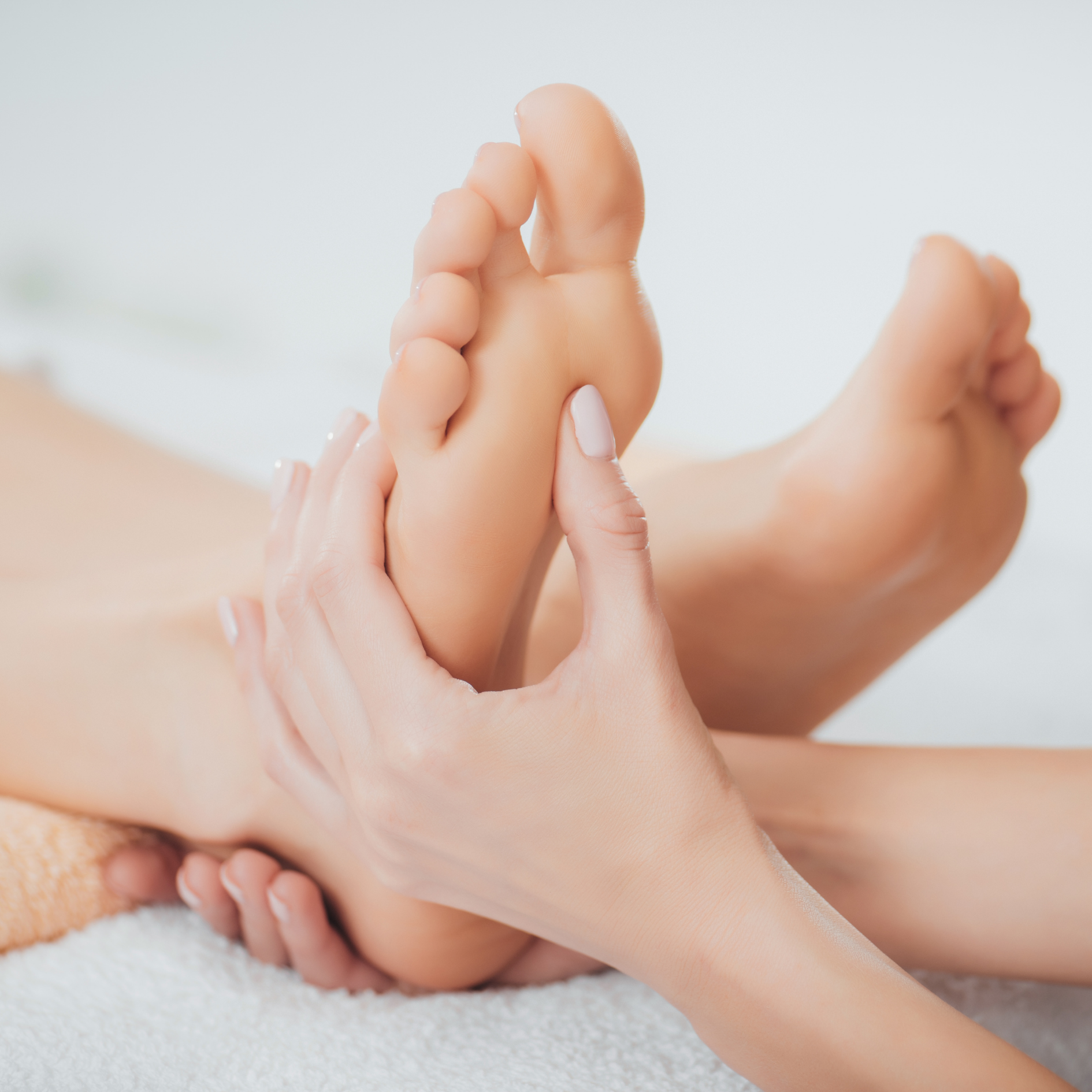
Foot Reflexology is a holistic healing practice that involves applying pressure to specific points on the feet to stimulate corresponding areas and organs of the body. Practitioners believe that the feet contain reflex points that are connected to various systems and organs, and by manipulating these points, they can promote relaxation, balance, and overall well-being.
Recommended For
Foot Reflexology is recommended for individuals seeking relaxation, stress reduction, pain relief, and improved overall health. It can also be used to address specific health conditions, such as:
• Muscular tension and pain
• Digestive issues
• Sleep disorders
• Stress and anxiety
• Hormonal imbalances
• Chronic pain conditions
• Headaches and migraines
• Circulatory problems
Benefits
The benefits of Foot Reflexology may include:
• Relaxation and stress reduction
• Pain relief and improved circulation
• Enhanced overall well-being
• Improved sleep quality
• Relief from specific health issues
• Enhanced energy and vitality
• Improved digestion and elimination
• Enhanced immune function
Contraindications
Foot Reflexology is generally safe for most individuals. However, there are some contraindications, including:
• Recent foot injuries or surgeries
• Foot infections or open wounds
• Pregnancy (specific techniques may be contraindicated)
• Certain medical conditions (consultation with a healthcare provider may be necessary)
How it works
Foot Reflexology works on the premise that various points on the feet correspond to specific organs, systems, and areas of the body. By applying pressure and massaging these reflex points, practitioners aim to stimulate energy flow, promote balance, and encourage the body's natural healing mechanisms.
Supporting Evidence
While many individuals report positive effects from Foot Reflexology, scientific evidence supporting its effectiveness is limited. Some studies suggest that it can help reduce pain, improve relaxation, and enhance overall well-being, but more research is needed.
Origin & History
Foot Reflexology has ancient roots and can be traced back to ancient China and Egypt. The modern practice was developed in the early 20th century by Eunice Ingham, who mapped the reflex points on the feet that correspond to specific body parts.
Proprietary or generic?
Foot Reflexology is a generic therapy practised worldwide and is not proprietary or trademarked. It follows established principles and techniques, and various practitioners offer their services under different brand names or as independent practitioners.
For Wellness Business
Staffing
Foot Reflexology practitioners are typically individuals who have completed training in reflexology techniques. Certification and licensing requirements may vary by location.
Training
Training in Foot Reflexology can be obtained through accredited reflexology schools and training programs. Courses cover anatomy, reflexology techniques, and practical skills.
Products & Equipment
Foot Reflexology requires minimal equipment, primarily the practitioner's hands and the client's feet. Some practitioners may use oils or creams for lubrication.
Facilities
Foot Reflexology can be practised in various settings, including spas, wellness centres, clinics, or private practices. A comfortable chair or massage table is often used for the client's comfort.