
Guasha
Description
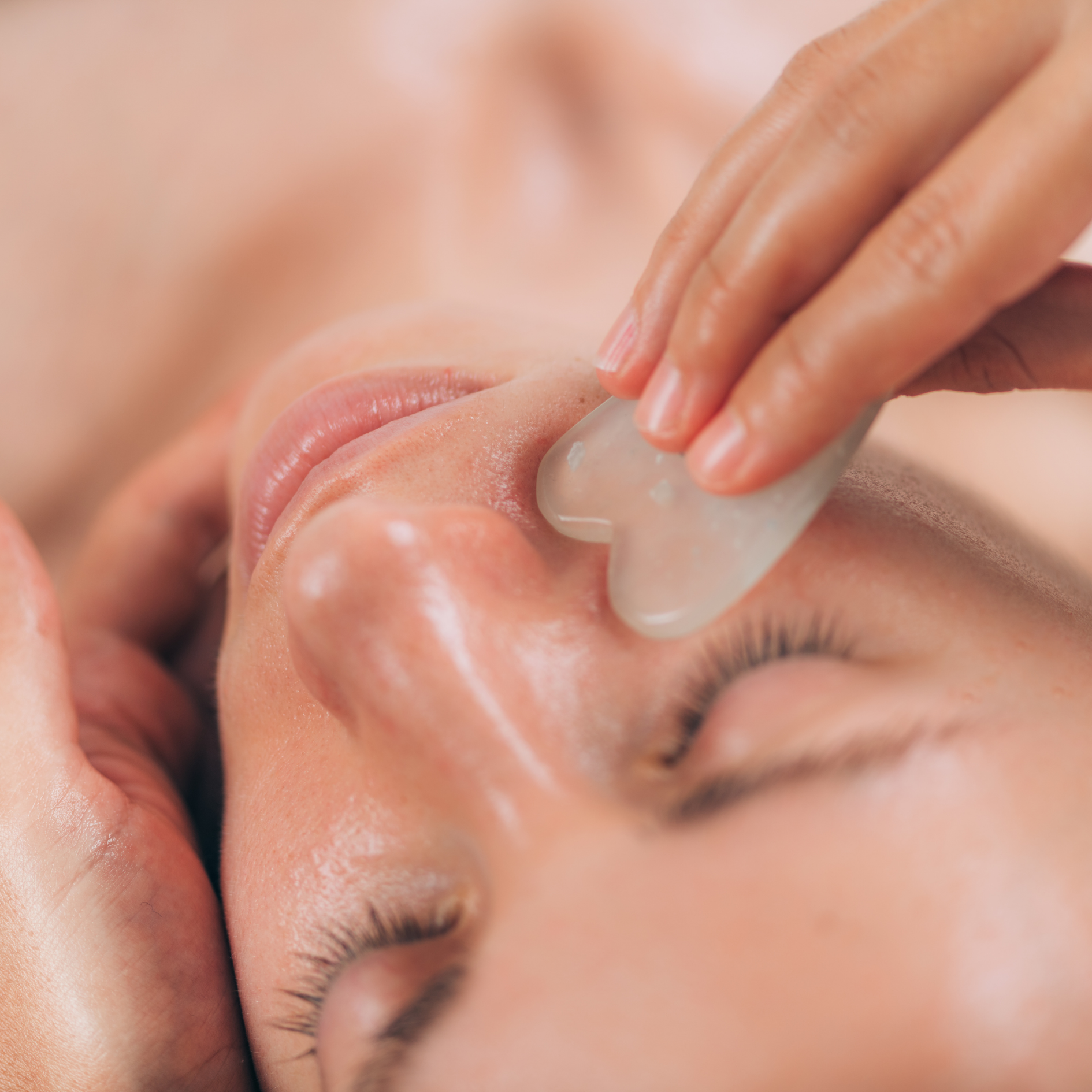
Guasha, also spelled Gua Sha or scraping therapy, is a traditional healing technique originating from Chinese medicine. It involves scraping the skin's surface with a smooth-edged instrument (typically made of jade, bone, or horn) to create therapeutic petechiae or bruising. The technique is used to release stagnant energy, improve blood circulation, and promote the body's natural healing processes.
Recommended For
Guasha is recommended for a variety of clients and health conditions, including muscle tension, pain, stiffness, and various other health issues. It is often used to address conditions such as headaches, neck and back pain, fibromyalgia, and respiratory issues. However, it is essential to consult with a qualified practitioner to determine its suitability for specific health concerns.
Benefits
• Pain relief: Guasha is believed to stimulate the release of endorphins, providing relief from pain and discomfort.
• Improved circulation: The scraping action helps enhance blood flow, which can benefit overall health and healing.
• Relaxation: Many individuals find Guasha to be a relaxing and stress-relieving therapy.
• Detoxification: It is thought to help remove toxins and promote lymphatic drainage.
• Enhanced immune function: Some proponents claim that Guasha can strengthen the immune system.
Contraindications
Guasha should be avoided or used with caution in the following cases:
• Broken or injured skin
• Sunburned or sensitive skin
• Pregnant women (avoiding the abdominal area)
• Individuals with bleeding disorders or taking blood-thinning medications
• Recent surgery or open wounds It is crucial to consult with a qualified practitioner who can assess your specific health needs and conditions.
How it works
Guasha is believed to work by promoting the flow of vital energy (Qi) and blood in the body. The scraping action is thought to release tension, break up fascial adhesions, and stimulate microcirculation. The resulting petechiae or bruising is considered a sign of stagnant Qi and blood being released and replaced with fresh, healthy circulation.
Supporting Evidence
While Guasha has been used for centuries in traditional Chinese medicine, scientific evidence on its efficacy is limited. Some studies suggest that it may have therapeutic benefits, but more research is needed to establish its effectiveness for specific conditions.
Origin & History
Guasha has ancient roots in Chinese medicine, dating back thousands of years. It has also been practised in other Asian countries, such as Vietnam and Indonesia. Traditionally, it was used to treat various ailments and improve general health.
Proprietary or generic?
Guasha is a generic therapy deeply rooted in traditional Chinese medicine and is not proprietary or trademarked by a specific person or brand. It is practised by many qualified practitioners worldwide and is not associated with a single entity or organisation.
For Wellness Business
Staffing
Qualified Guasha practitioners typically have training in traditional Chinese medicine or related fields. They should be knowledgeable about the technique, its applications, and potential contraindications. Certification or licensing requirements may vary by region.
Training
Training in Guasha can be found through courses offered by schools of traditional Chinese medicine, acupuncture, and alternative medicine. It is essential to choose a reputable training program that provides comprehensive instruction and hands-on experience.
Products & Equipment
Guasha requires specific tools, typically made of materials like jade, bone, or horn. These tools have smooth, rounded edges for safe and effective scraping. Proper disinfection and hygiene protocols should be followed when using these instruments.
Facilities
Guasha can be performed in a clean and comfortable treatment room within a clinic or wellness centre. It doesn't require specialised facilities, but practitioners should maintain a sterile environment for client safety.