
Inhalation Therapy
Description
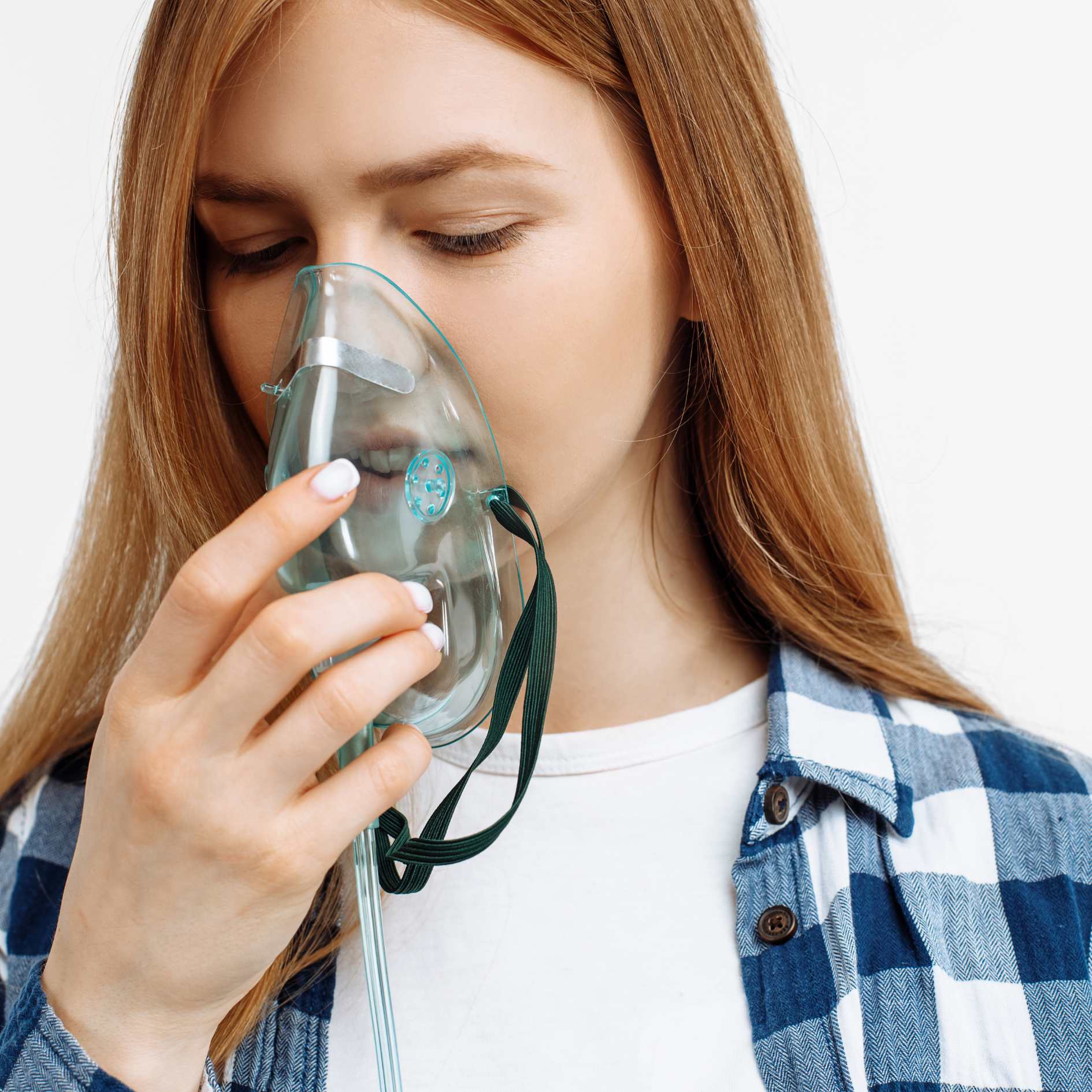
Inhalation therapy involves the administration of medications, gases, or other substances directly into the respiratory system through inhalation. It is commonly used to treat respiratory conditions such as asthma, chronic obstructive pulmonary disease (COPD), and respiratory infections. Inhalation therapy can be delivered via inhalers, nebulisers, or oxygen therapy.
Recommended For
Inhalation therapy is recommended for clients with various respiratory conditions, including:
• Asthma
• COPD
• Cystic fibrosis
• Bronchitis
• Pneumonia
• Respiratory distress syndrome in neonates
• Other chronic or acute respiratory illnesses
Benefits
• Relief of respiratory symptoms (e.g., shortness of breath, wheezing).
• Improved lung function.
• Enhanced oxygenation of the blood.
• Faster and more targeted delivery of medications to the lungs.
• Prevention and management of respiratory infections.
• Support for patients requiring supplemental oxygen.
Contraindications
Some individuals may have contraindications or hypersensitivity to specific medications or inhalation therapies. The suitability of inhalation therapy should be determined by a healthcare provider.
How it works
Inhalation therapy works by delivering medications or gases directly to the airways and lungs, where they can have a therapeutic effect. The delivery method may vary:
• Inhalers: Medications are released as aerosol sprays and inhaled through the mouth.
• Nebulisers: Liquid medications are converted into a fine mist and inhaled through a mask or mouthpiece.
• Oxygen therapy: Supplemental oxygen is delivered through nasal prongs or a mask to increase blood oxygen levels.
Supporting Evidence
Inhalation therapy is supported by a substantial body of clinical evidence and research for various respiratory conditions. The efficacy of specific medications and therapies may vary, but the overall concept of inhalation therapy is well-established.
Origin & History
Inhalation therapy has a long history, with early use of inhalations recorded in ancient civilisations. Modern inhalation therapy has evolved with advances in medical science and technology.
Proprietary or generic?
Inhalation therapy is a generic term that encompasses a range of treatments and techniques. Specific medications, devices, or delivery systems may be trademarked or proprietary, but the concept of inhalation therapy itself is not exclusive to any particular brand or individual.
For Wellness Business
Staffing
Inhalation therapy is typically administered by respiratory therapists, nurses, or healthcare professionals trained in respiratory care. These professionals are often licensed and certified in their respective jurisdictions.
Training
Training in inhalation therapy is provided through accredited respiratory therapy programs or nursing schools. Respiratory therapists undergo specific education and clinical training to become qualified practitioners.
Products & Equipment
Inhalation therapy may involve various equipment, including inhalers, nebulisers, oxygen concentrators, and other devices designed for specific therapies. These are typically available through healthcare providers and medical supply companies.
Facilities
Inhalation therapy can be administered in various healthcare settings, including hospitals, clinics, respiratory care centres, and home settings, depending on the client's needs and the severity of their condition.