
Labyrinth
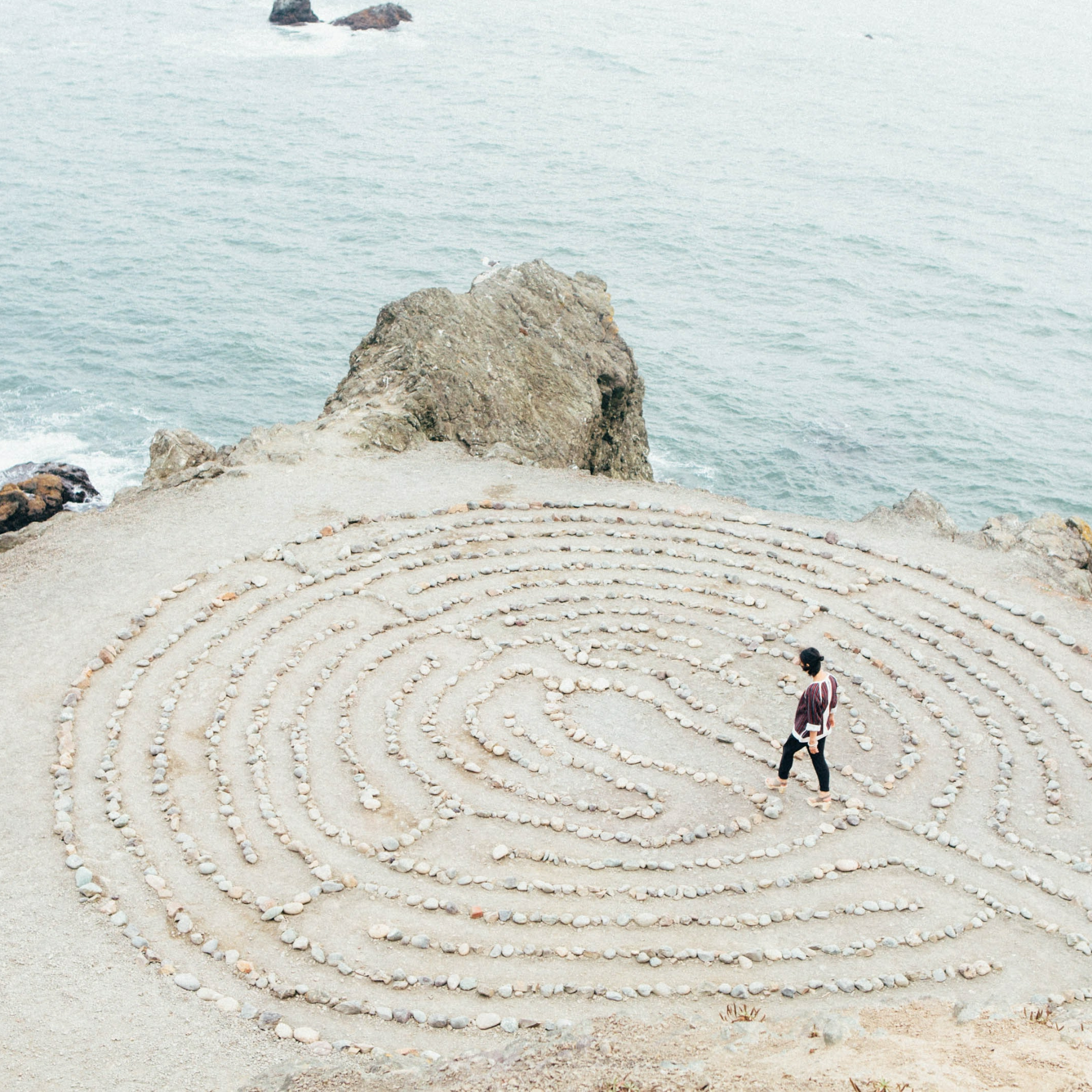
Description
A labyrinth is a winding and intricate path, typically designed on the ground, meant for walking meditation and contemplation. Labyrinths come in various shapes and sizes, but the most common is the classical seven-circuit labyrinth. Walking a labyrinth involves a deliberate journey with twists and turns, leading to a central point, and then back out again.
Recommended For
Labyrinths are recommended for individuals seeking a meditative and contemplative experience, as well as those looking to reduce stress, promote relaxation, enhance self-reflection, and improve overall mental and emotional well-being. They can be used by people of all ages and backgrounds.
Benefits
• Stress reduction and relaxation
• Enhanced mindfulness and focus
• Improved mental clarity
• Emotional healing and self-reflection
• Promotes a sense of calm and inner peace
• Encourages self-discovery and personal growth
Contraindications
Labyrinths are generally safe for most individuals. However, individuals with mobility issues or certain medical conditions may find it challenging to navigate the labyrinth path. In such cases, it's important to provide alternative forms of meditation or contemplation.
How it works
Walking a labyrinth is a contemplative practice that involves following the winding path slowly and deliberately. As individuals walk, they often focus on their breath, set intentions, or engage in inner reflection. The journey to the centre represents going inward, while the return journey symbolises integration and bringing insights back into daily life.
Supporting Evidence
While there is limited scientific research on the specific benefits of labyrinth walking, it is considered a mindfulness practice that can help reduce stress and promote relaxation. Many individuals report positive experiences with labyrinth walking as a form of meditation and self-reflection.
Origin & History
Labyrinths have a long history dating back thousands of years, with examples found in various cultures around the world. They have been used for spiritual, meditative, and ceremonial purposes throughout history. The most famous labyrinth is the Chartres Cathedral labyrinth in France, which dates back to the 13th century.
Proprietary or generic?
Labyrinths are not proprietary or trademarked. They are a timeless and universal contemplative practice that can be found in various cultures and locations worldwide. Many communities and organisations create labyrinths for public use and spiritual or wellness purposes.
For Wellness Business
Staffing
Labyrinths do not require specific staffing, as they are self-guided practices. However, facilitators or guides may be present at some labyrinth locations to provide information and support for those who are new to the experience.
Training
Training to facilitate labyrinth walks is available through labyrinth organisations and associations. Courses and workshops may cover the history of labyrinths, their symbolism, and how to guide others through the labyrinth experience.
Products & Equipment
The primary equipment needed for labyrinth walking is the labyrinth itself, which can be created outdoors with stones or in indoor settings with materials like tape or paint. Additionally, some labyrinths may have benches or seating for contemplation.
Facilities
Labyrinths can be created in various settings, including outdoor spaces, church courtyards, parks, or even indoors on floors or canvas. There are no specific facility requirements, but the location should be conducive to a meditative and contemplative atmosphere.