Laser
Description
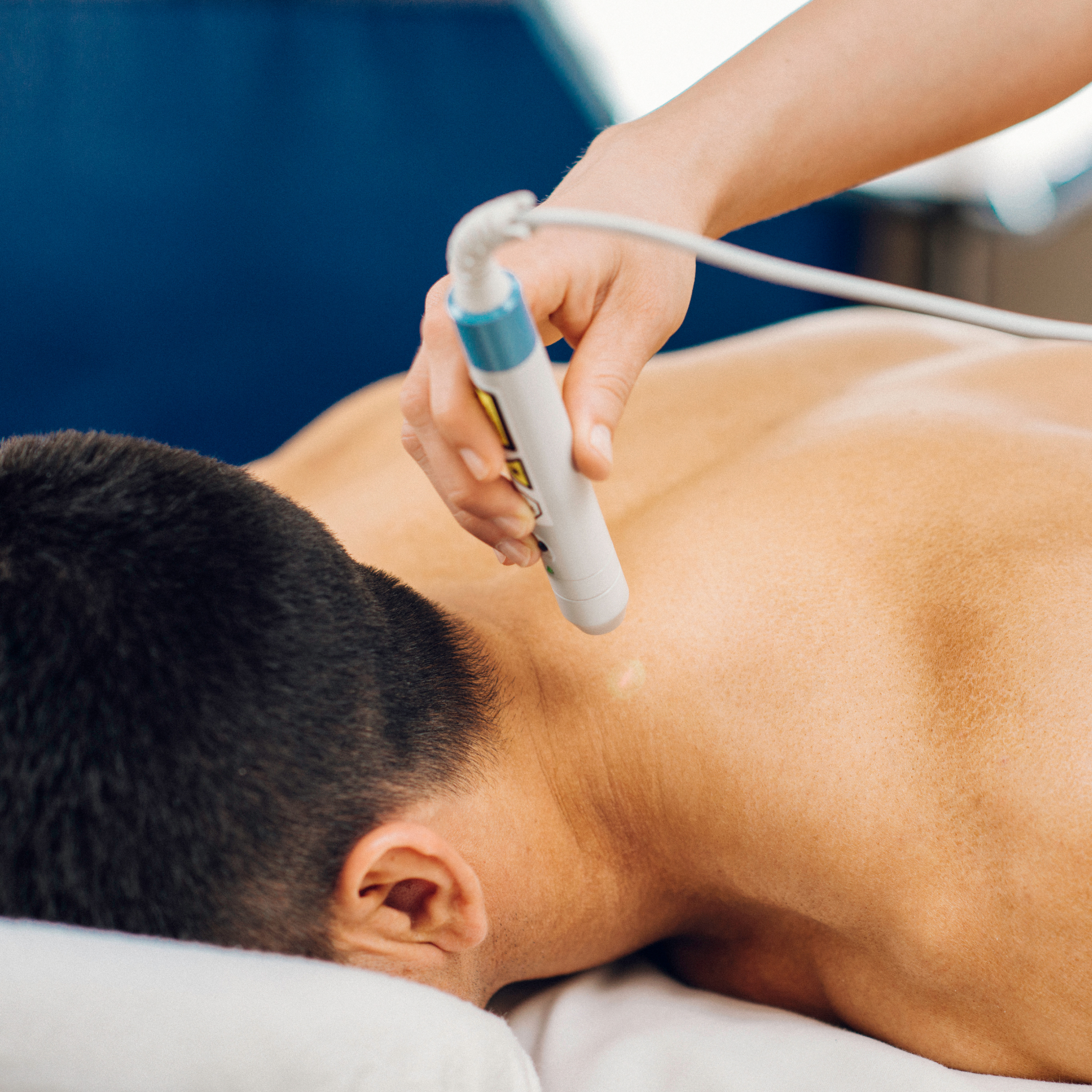
Laser therapy, also known as low-level laser therapy (LLLT) or cold laser therapy, is a medical and therapeutic technique that uses low-intensity laser light to stimulate tissue repair, reduce inflammation, and alleviate pain. It is a non-invasive and non-thermal therapy that has various applications in the healthcare field.
Recommended For
Laser therapy is recommended for clients with a wide range of health conditions, including but not limited to:
• Pain management (e.g., musculoskeletal pain, arthritis)
• Wound healing and tissue repair
• Sports injuries
• Inflammatory conditions (e.g., tendinitis)
• Dermatological issues (e.g., acne, scars)
• Neurological conditions (e.g., neuropathy)
Benefits
• Pain relief
• Accelerated tissue repair and wound healing
• Reduction of inflammation
• Increased circulation
• Improved range of motion
• Enhanced collagen production for skin conditions
• Non-invasive and drug-free treatment option
Contraindications
Laser therapy is generally considered safe, but there are contraindications and precautions to be aware of. It may not be suitable for individuals with certain conditions, such as pregnancy (especially over the abdomen), active cancer in the treatment area, or patients taking photosensitising medications.
How it works
Laser therapy works by delivering low-level laser light (typically in the red or near-infrared spectrum) to the affected area of the body. The light energy is absorbed by the cells, leading to increased cellular activity, improved circulation, and the release of endorphins. This, in turn, promotes healing and reduces pain and inflammation.
Supporting Evidence
There is a substantial body of research supporting the efficacy of laser therapy for various conditions, particularly in pain management and tissue healing. Clinical studies and systematic reviews have shown positive outcomes, but the specific results can vary depending on the condition being treated and the parameters of the laser used.
Origin & History
The use of lasers in medical and therapeutic applications dates back to the 1960s. Over the years, advances in laser technology have led to the development of low-level laser therapy. It has gained popularity and acceptance in mainstream medicine and healthcare.
Proprietary or generic?
Laser therapy, as a modality, is not proprietary or trademarked. However, specific laser devices and brands may have proprietary technology or trademarks associated with them. The term "low-level laser therapy" or "Laser Therapy" itself is a generic description of the treatment technique.
For Wellness Business
Staffing
Laser therapy is typically administered by healthcare professionals, including physical therapists, chiropractors, medical doctors, and licensed practitioners who have received training in the use of therapeutic lasers.
Training
Training in laser therapy can be obtained through courses and certifications offered by institutions specialising in medical and therapeutic laser technology. Qualified training programs should cover safety, laser physics, and practical applications.
Products & Equipment
Laser therapy equipment consists of specialised laser devices that emit low-intensity laser light. These devices vary in terms of wavelength, power, and other specifications depending on the intended applications. Proper eye protection is essential when working with therapeutic lasers.
Facilities
Laser therapy can be administered in various healthcare settings, including clinics, hospitals, physical therapy offices, and rehabilitation centres. The facilities should have the necessary safety measures and equipment to ensure safe and effective treatment.