
Make-Up
Description
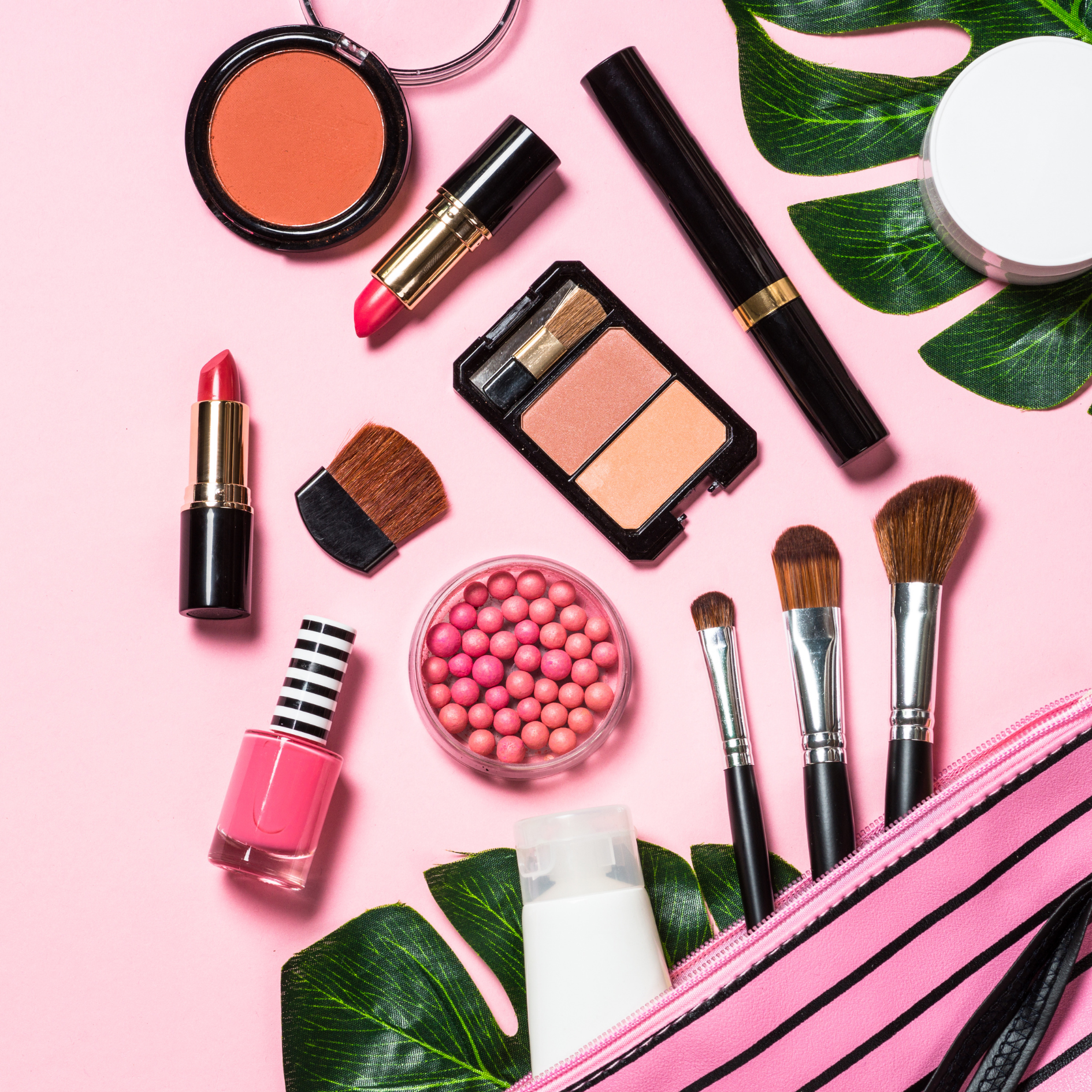
Make-up, also known as cosmetics, refers to products and techniques used to enhance or alter a person's appearance. It typically includes the application of various products like foundation, lipstick, eyeshadow, mascara, and more to the face and, in some cases, other parts of the body. Make-up can be used for beauty enhancement, theatrical purposes, special events, and more.
Recommended For
Make-up is recommended for a wide range of clients, including those who wish to:
• Enhance their natural beauty
• Cover blemishes or imperfections
• Create a specific look for special occasions (e.g., weddings, parties)
• Appear on stage or in front of cameras (e.g., actors, models)
• Explore creative and artistic expression through makeup
Make-up is generally safe for most individuals, but individuals with specific skin conditions or allergies to certain cosmetic ingredients should choose products carefully or consult with a dermatologist.
Benefits
• Enhances facial features and appearance
• Conceals imperfections and blemishes
• Boosts self-confidence and self-esteem
• Allows for creative self-expression
• Provides a polished and professional look for performances or events
Contraindications
There are no specific contraindications for make-up application itself. However, individuals with allergies or sensitivities to certain cosmetic ingredients should avoid products that trigger adverse reactions. Additionally, those with open wounds, infections, or skin conditions that worsen with makeup application should consult a dermatologist or healthcare provider.
How it works
Make-up products, such as foundation, concealer, eyeshadow, and lipstick, are applied to the skin using brushes, sponges, or fingers. The application technique varies based on the desired look and product type. Make-up is designed to adhere to the skin, providing colour and coverage.
Supporting Evidence
The benefits of make-up in enhancing appearance and concealing imperfections are well-documented anecdotally and through personal experiences. However, the effectiveness of make-up in achieving specific outcomes depends on individual preferences, skill in application, and the quality of products used.
Origin & History
The use of cosmetics and make-up can be traced back thousands of years to ancient civilisations such as the Egyptians, Greeks, and Romans. Over time, cosmetics have evolved in terms of ingredients, application techniques, and cultural significance. Today, make-up is a multi-billion-dollar industry worldwide.
Proprietary or generic?
For Wellness Business
Staffing
Make-up application can be performed by individuals without formal qualifications. Many people apply make-up to themselves daily, and professional make-up artists may offer their services for special occasions, fashion, film, and other industries. Licensed cosmetologists or aestheticians may also offer make-up services.
Training
Training in make-up application is available through beauty schools, cosmetology programs, and make-up artistry courses. Many make-up artists pursue certification or take specialised workshops to develop their skills.
Products & Equipment
Make-up products vary widely and may include foundation, concealer, eyeshadow, eyeliner, mascara, lipstick, blush, bronzer, and more. Equipment and tools include brushes, sponges, and mirrors. High-quality and professional-grade products may be preferred for specific applications.
Facilities
Make-up application does not require specialised facilities. It can be done in a variety of settings, including personal homes, salons, studios, and on location for events or performances.