
Meditation
Description
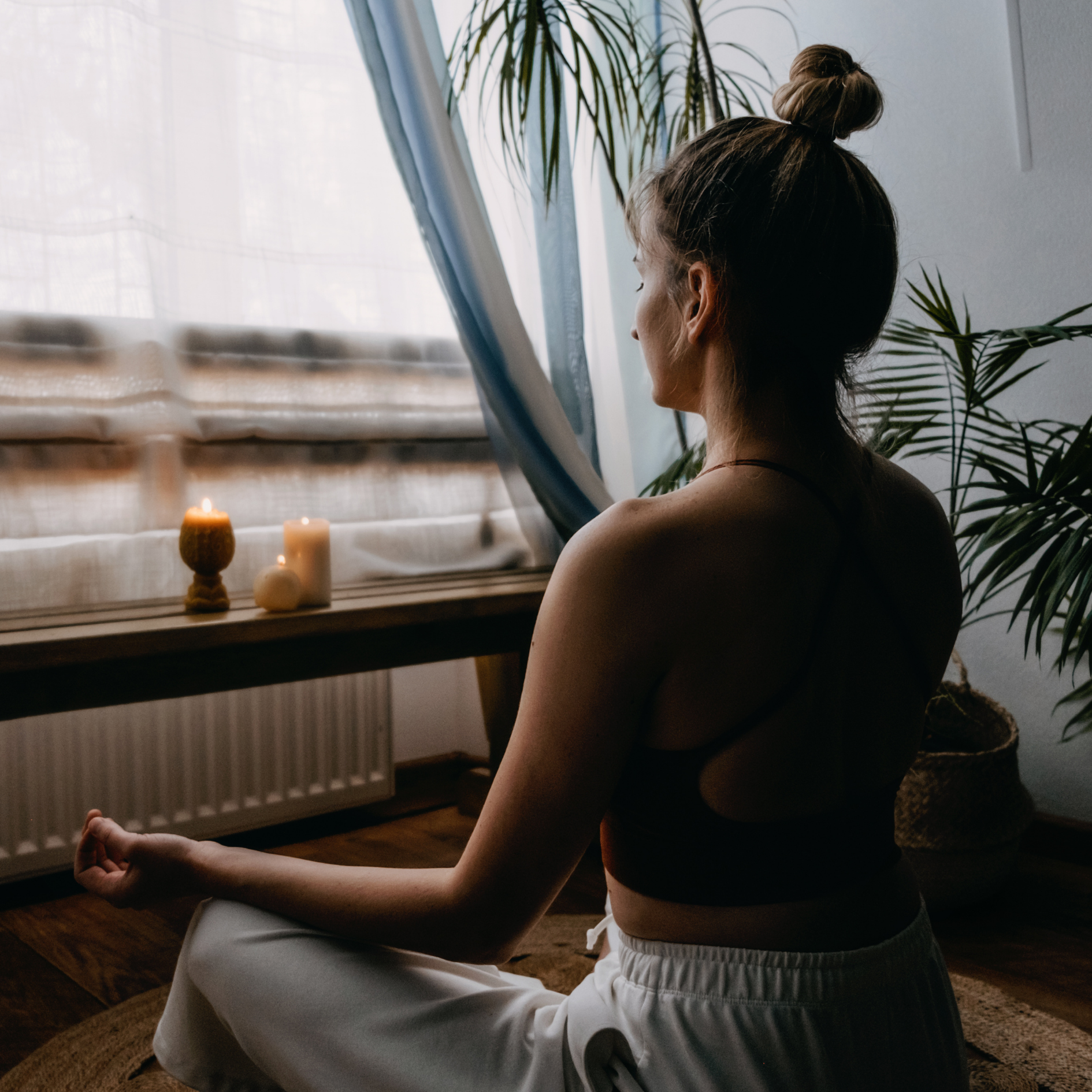
Meditation is a mind-body practice that involves focusing one's attention on a specific object, thought, or activity to achieve mental clarity, relaxation, and a heightened sense of awareness. It is a technique for calming the mind and achieving a state of deep concentration, often associated with relaxation and self-awareness.
Recommended For
Meditation is recommended for a wide range of clients and conditions, including:
• Individuals seeking stress reduction and relaxation
• People with anxiety or depression
• Those looking to improve concentration and mental clarity
• Individuals with insomnia or sleep disturbances
• Patients with chronic pain or chronic illness
• Athletes and performers for mental focus and performance enhancement
• Spiritual practitioners for spiritual growth and insight
Meditation can be adapted to suit various needs and preferences.
Benefits
• Stress reduction and relaxation
• Enhanced mental clarity and focus
• Improved emotional well-being and self-awareness
• Reduced symptoms of anxiety and depression
• Better sleep quality
• Lower blood pressure and improved cardiovascular health
• Enhanced sense of spiritual connection (for some individuals)
Contraindications
Meditation is generally safe for most people. However, individuals with certain mental health conditions, such as severe psychosis or schizophrenia, may need to practice meditation under the guidance of a mental health professional. Some people may also find meditation challenging or uncomfortable due to personal preferences.
How it works
Meditation techniques vary, but the core principle involves directing and focusing the mind's attention. Common meditation practices include mindfulness meditation, transcendental meditation, loving-kindness meditation, and guided meditation. These techniques often include controlled breathing and visualisation exercises to promote relaxation and concentration.
Supporting Evidence
Scientific research has shown that meditation offers numerous health benefits, including stress reduction, improved mental health, and enhanced well-being. Studies have demonstrated changes in brain activity and structure as a result of regular meditation practice. While research continues, there is substantial evidence supporting the effectiveness of meditation.
Origin & History
Meditation has ancient origins and is practised in various forms across different cultures and traditions. It is integral to many religious and spiritual practices, including Buddhism, Hinduism, Taoism, and others. In the Western world, meditation gained popularity in the 20th century as a secular practice for relaxation and self-improvement.
Proprietary or generic?
The practice of meditation itself is not proprietary or trademarked. Various instructors and organisations offer meditation classes, but the practice is generic and widely accessible to anyone interested in learning and practising it.
For Wellness Business
Staffing
Meditation can be practised independently or with the guidance of a qualified meditation instructor or mindfulness coach. Instructors may offer group classes or one-on-one sessions to teach meditation techniques and provide guidance.
Training
Meditation instructors typically have training and experience in specific meditation techniques. They may obtain certification through recognised organisations or have a background in related fields like psychology or counselling.
Products & Equipment
Meditation typically requires minimal equipment. Practitioners may use a cushion or mat for comfort, but these are not always necessary. Some individuals may find guided meditation recordings or apps helpful for their practice.
Facilities
Meditation can be practised in a variety of settings, from dedicated meditation centres and temples to quiet spaces in one's home or workplace. Facilities should provide a calm and peaceful environment conducive to meditation.