
OSTEOPATHY
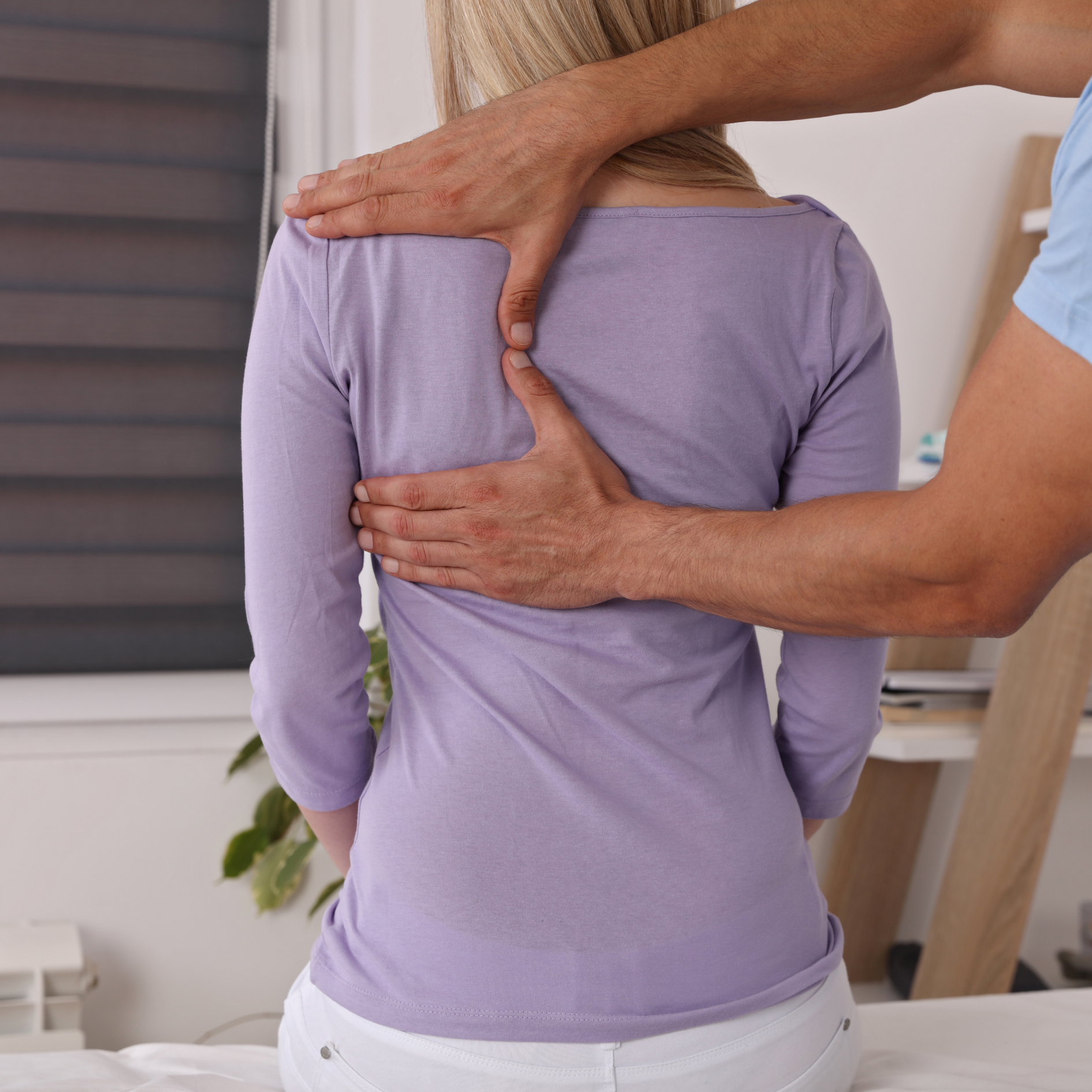
Description
Osteopathy is a holistic healthcare approach that focuses on the interrelationship between the body's structure and its function. Osteopathic practitioners, known as osteopaths or doctors of osteopathic medicine (DOs), use a combination of manual techniques, physical therapy, and lifestyle recommendations to promote overall health and well-being. They believe that the body has a natural ability to heal itself when in proper balance.
Recommended For
Osteopathy is recommended for a wide range of clients seeking holistic healthcare and those with musculoskeletal issues, pain, or general health concerns. It is commonly sought for conditions such as back pain, neck pain, joint problems, sports injuries, and headaches. Osteopathic treatment can also benefit individuals with chronic health conditions and those interested in preventive care.
Benefits
• Improved musculoskeletal function and pain relief
• Enhanced mobility and flexibility
• Promotion of the body's self-healing mechanisms
• Reduction of stress and tension
• Management of chronic health conditions
• Integrative approach to health and wellness
Contraindications
Osteopathy is generally safe and well-tolerated, but there may be contraindications for certain individuals or conditions. It is essential for practitioners to conduct thorough assessments and consider contraindications on a case-by-case basis. Contraindications may include severe acute injuries or fractures, severe infections, or certain medical conditions.
How it works
Osteopathic practitioners use their hands to diagnose and treat a variety of musculoskeletal and functional issues. Techniques may include osteopathic manipulative treatment (OMT), which involves gentle manual adjustments of the body's tissues, muscles, joints, and bones to restore balance and alignment. Osteopaths also consider the patient's overall health, lifestyle, and nutrition in their treatment plans.
Supporting Evidence
Osteopathic treatment has been studied and found effective for various musculoskeletal conditions, including lower back pain and certain types of headaches. However, evidence for the effectiveness of osteopathy in treating other health conditions or its mechanisms of action is still evolving.
Origin & History
Osteopathy was developed in the late 19th century by American physician Dr. Andrew Taylor Still, who sought an alternative to conventional medicine at the time. Dr. Still founded the principles of osteopathy, emphasising the importance of the musculoskeletal system in maintaining health.
Proprietary or generic?
Osteopathy is not proprietary or trademarked. It is a widely recognised and regulated healthcare profession with practitioners trained in accredited institutions and subject to professional standards and regulations.
For Wellness Business
Staffing
Osteopathic practitioners are typically Doctor of Osteopathic Medicine (DOs) who have completed medical school and additional training in osteopathic techniques. They are licensed healthcare professionals who can diagnose and treat medical conditions, prescribe medication, and perform surgery, in addition to providing osteopathic care.
Training
Training to become an osteopathic physician involves attending an accredited osteopathic medical school, followed by internship and residency training. Osteopathic manipulative medicine (OMM) is an integral part of their education.
Products & Equipment
Osteopathic treatment primarily involves manual techniques and does not require special equipment or products. However, some osteopaths may use tools or aids to assist in their practice.
Facilities
Osteopathic treatments can be provided in various healthcare settings, including private practices, hospitals, clinics, and rehabilitation centres. There are no specific facility requirements, but practitioners should maintain clean and safe treatment environments.