
OZONE THERAPY
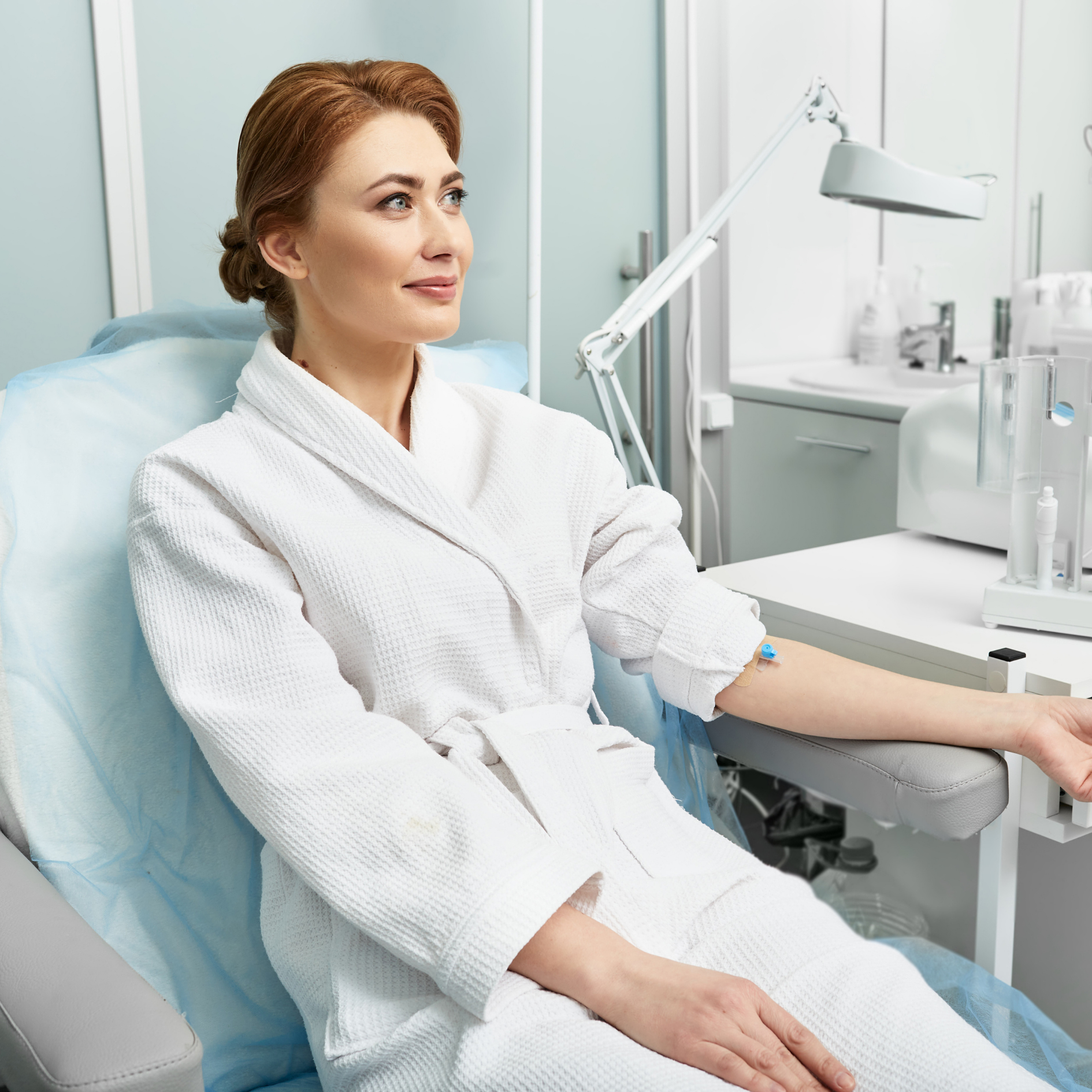
Description
Ozone therapy is an alternative medical treatment that involves the therapeutic use of ozone gas (O3) to promote healing and improve health. Ozone is a molecule composed of three oxygen atoms and is typically administered through various methods, including ozonated water, ozone gas injections, or topical applications. Proponents claim that ozone therapy can stimulate the body's natural healing mechanisms and have various health benefits.
Recommended For
Ozone therapy is recommended for individuals seeking alternative or complementary treatments for various health conditions. It is often promoted for the following:
• Chronic infections
• Immune system support
• Chronic pain
• Inflammatory conditions
• Wound healing
• Detoxification
• Skin conditions
Benefits
• Improved oxygen delivery to tissues
• Enhanced immune system function
• Potential antimicrobial effects
• Pain relief in some cases
• Promotion of tissue healing
• Detoxification support (claimed)
Contraindications
Ozone therapy is not suitable for everyone, and there are contraindications and potential risks associated with its use. Contraindications may include:
• Pregnancy
• Severe bleeding disorders
• G6PD deficiency (a genetic enzyme deficiency)
• Ozone allergy or sensitivity
• Thyroid disorders
• Active pulmonary tuberculosis
• Acute alcohol or drug intoxication
How it works
Ozone therapy is believed to work through several mechanisms, including:
• Increasing oxygen delivery to tissues, potentially improving cellular metabolism
• Modulating the immune system, possibly enhancing immune responses
• Producing reactive oxygen species (ROS) that can have antimicrobial effects
• Promoting circulation and blood flow to affected areas
• Supporting detoxification processes (claimed)
Supporting Evidence
The scientific evidence supporting ozone therapy is limited and controversial. While some studies have suggested potential benefits for specific applications, the overall body of evidence is not robust or consistent. Ozone therapy remains a subject of debate within the medical and scientific communities.
Origin & History
Ozone therapy has a history dating back to the late 19th century, with early use in the treatment of various medical conditions. It gained popularity in the mid-20th century in some parts of Europe, where it is still used today as an alternative therapy.
Proprietary or generic?
Ozone therapy as a concept is not proprietary or trademarked. Various individuals and organisations may offer ozone therapy services, but the therapy itself is not unique to a specific person or brand.
For Wellness Business
Staffing
Ozone therapy may be administered by various healthcare professionals, including medical doctors, naturopaths, and alternative medicine practitioners. Qualifications and regulations can vary by region and country.
Training
Training in ozone therapy is typically obtained through specialised courses and workshops offered by organisations and institutions that promote alternative and complementary therapies. It is important for practitioners to seek training from reputable sources and adhere to any legal and ethical guidelines in their region.
Products & Equipment
Ozone therapy requires specialised equipment for generating ozone, as well as appropriate delivery methods, such as ozonated water machines, ozone generators, or syringe-based applications.
Facilities
Ozone therapy can be administered in various healthcare settings, including clinics, hospitals, or alternative therapy centres. Facilities should adhere to safety and infection control standards.