
PHOTOTHERAPY
Description
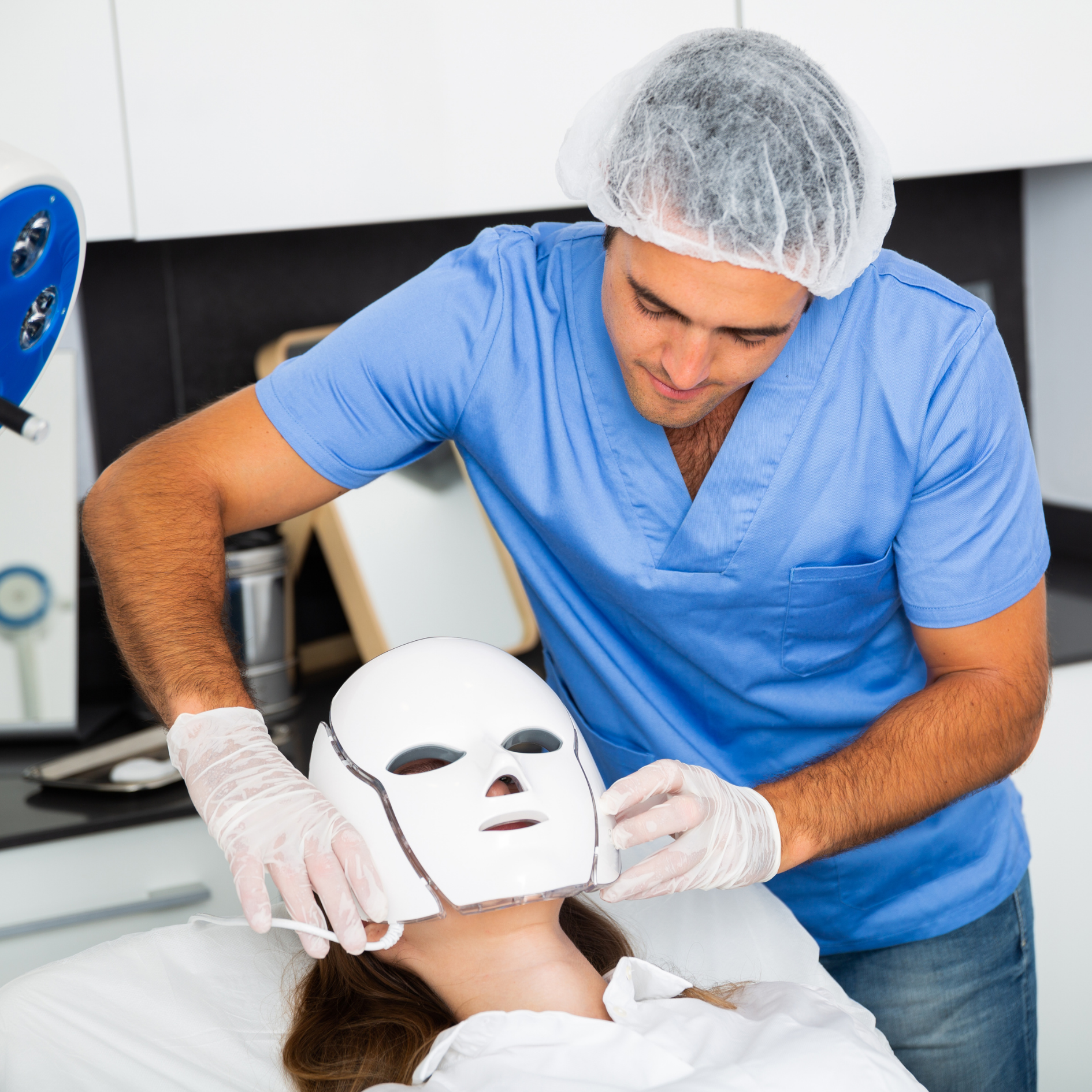
Phototherapy, also known as light therapy, is a medical treatment that involves exposure to specific wavelengths of light to treat various health conditions. It is commonly used to address skin disorders, mood disorders, and certain medical conditions by using light-emitting devices.
Recommended For
Phototherapy is recommended for clients or patients with the following conditions or concerns:
• Skin disorders: Psoriasis, eczema, vitiligo, acne, and more.
• Mood disorders: Seasonal affective disorder (SAD), depression, and sleep disorders.
• Neonatal jaundice: Used to treat jaundice in newborns.
• Other medical conditions: Some autoimmune disorders, circadian rhythm disorders, and non-seasonal depression.
Benefits
The benefits of phototherapy may include:
• Improved skin conditions by reducing inflammation and promoting healing.
• Relief from mood disorders, particularly SAD and depression.
• Effective treatment for neonatal jaundice in newborns.
• Minimised symptoms and improved quality of life for specific medical conditions.
Contraindications
Contraindications for phototherapy can vary based on the specific condition being treated. Some general contraindications may include:
• Certain medications or medical conditions that increase photosensitivity.
• History of skin cancer.
• Eye conditions or medications that make the eyes sensitive to light.
• Pregnancy (for certain types of phototherapy).
How it works
Phototherapy works by exposing the skin or eyes to specific wavelengths of light, often ultraviolet (UV) or visible light. The light exposure can trigger various biological responses, such as reducing inflammation, slowing the growth of skin cells, regulating circadian rhythms, and affecting mood-regulating chemicals in the brain.
Supporting Evidence
There is substantial scientific evidence supporting the effectiveness of phototherapy for various conditions. Clinical trials and studies have demonstrated positive outcomes in treating skin disorders, mood disorders, and neonatal jaundice.
Origin & History
Phototherapy has a long history dating back to ancient civilisations that recognised the therapeutic benefits of sunlight. Modern phototherapy techniques and devices have been developed and refined over the past century.
Proprietary or generic?
Phototherapy itself is not typically proprietary or trademarked, as it is a broad term encompassing various therapeutic applications of light. However, specific devices or techniques used in phototherapy may be developed and patented by manufacturers or practitioners.
For Wellness Business
Staffing
Phototherapy is typically administered by healthcare professionals, including dermatologists, psychiatrists, neonatologists, and specially trained technicians. Proper training and certification may be required for those administering phototherapy.
Training
Training for phototherapy practitioners varies depending on the specific type of therapy and equipment used. Training programs and courses are available for healthcare professionals and technicians interested in offering phototherapy.
Products & Equipment
Phototherapy equipment includes light-emitting devices such as UV lamps, LED panels, and specialised lightboxes. The choice of equipment depends on the condition being treated and the type of therapy required.
Facilities
Facilities offering phototherapy should have the necessary equipment and treatment rooms that provide a controlled environment for safe and effective treatment. Specialised eye protection may be required for both clients and practitioners.