
Prayer
Description
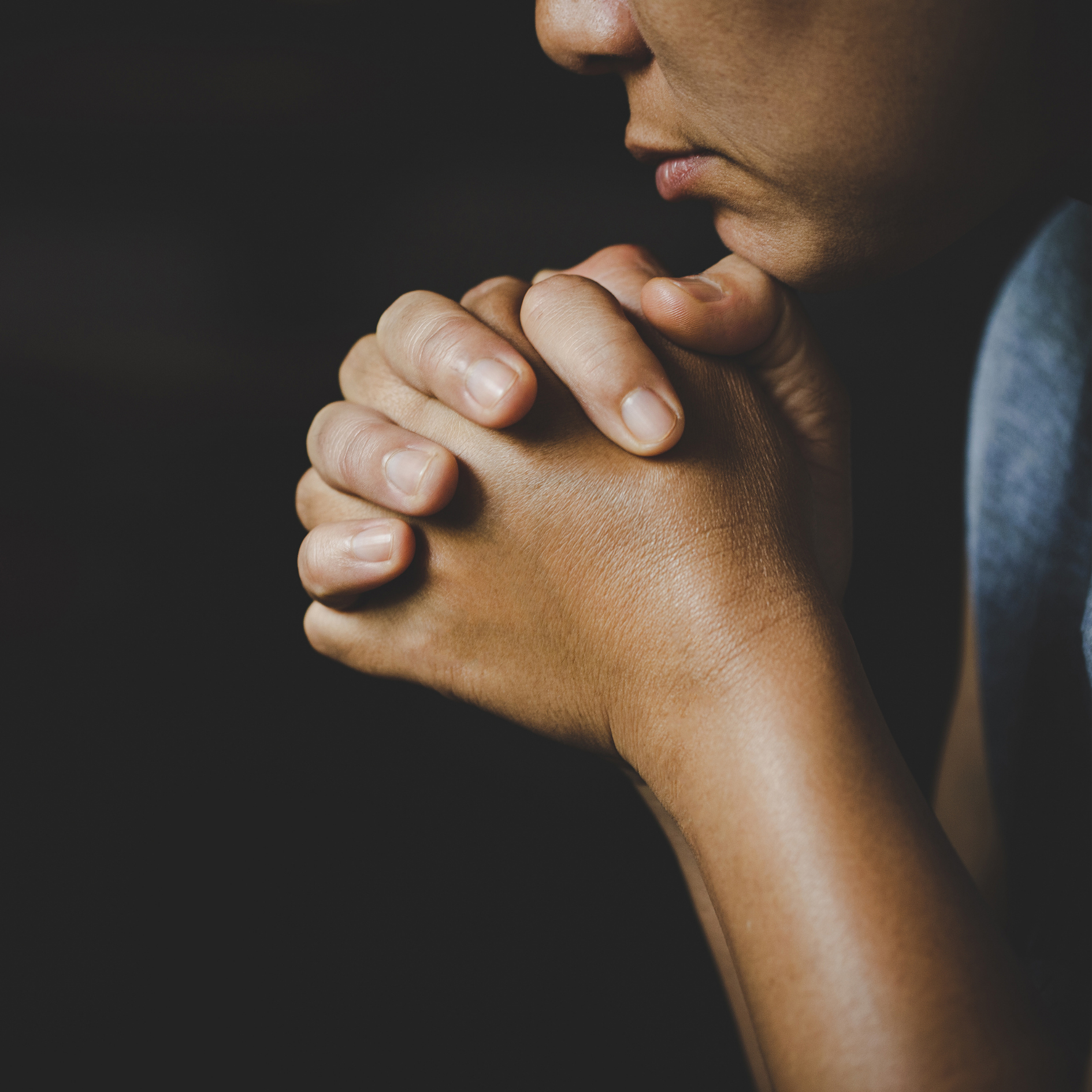
Prayer is a spiritual or religious practice that involves communication or conversation with a higher power, deity, or the divine. It is a deeply personal and contemplative act in which individuals express their thoughts, emotions, gratitude, requests, or intentions to a spiritual entity through words, thoughts, or intentions. Prayer can take various forms, including spoken words, silent meditation, chanting, or rituals, depending on one's religious or spiritual tradition.
Recommended For
Prayer is recommended for individuals who engage in religious or spiritual practices and seek a connection with a higher power or divine entity. It is not specific to any particular health condition or client type, as it is a spiritual practice rather than a therapeutic or medical intervention.
Benefits
The benefits of prayer are subjective and can vary greatly among individuals. Some potential benefits of prayer may include:
• A sense of spiritual connection or closeness to a higher power.
• Emotional support, comfort, and inner peace.
• A source of strength and resilience during challenging times.
• A means of expressing gratitude and seeking guidance.
• An opportunity for self-reflection and personal growth.
Contraindications
Prayer is generally considered a safe practice and does not have specific contraindications. However, individuals who do not follow a particular religious or spiritual tradition may not find prayer relevant to their beliefs or practices.
How it works
Prayer is a deeply personal and spiritual practice that varies widely based on an individual's faith, beliefs, and tradition. It typically involves a silent or verbal conversation with a higher power, expressing thoughts, emotions, gratitude, or requests. The efficacy of prayer is often based on one's faith and the belief in the power of spiritual connection.
Supporting Evidence
The effectiveness of prayer is a matter of faith and personal belief rather than scientific evidence. Studies exploring the effects of prayer on health outcomes have yielded mixed results, and the practice of prayer is largely considered a subjective and personal experience.
Origin & History
Prayer has a long history and is a fundamental practice in various religious and spiritual traditions worldwide. It dates back thousands of years and plays a central role in the rituals and beliefs of numerous faiths, including Christianity, Islam, Judaism, Buddhism, Hinduism, and many indigenous and pagan traditions.
Proprietary or generic?
Prayer is not proprietary and is a fundamental aspect of many religious and spiritual traditions. It is not associated with specific trademarks or brands but is an integral part of these belief systems.
For Wellness Business
Staffing
There are no specific qualifications required to practice prayer, as it is a spiritual or religious practice open to individuals of all backgrounds and beliefs.
Training
Training in prayer typically occurs within the context of religious or spiritual communities, where individuals learn the specific rituals, prayers, and practices associated with their faith or tradition. Clergy members and spiritual leaders may provide guidance and education on prayer.
Products & Equipment
Prayer does not require special products or equipment, although individuals may use religious texts, prayer beads, candles, or other symbolic items as part of their practice.
Facilities
Prayer can take place in various settings, including places of worship (e.g., churches, mosques, temples), private homes, natural settings, or wherever individuals feel a spiritual connection.