
Acupressure
Description
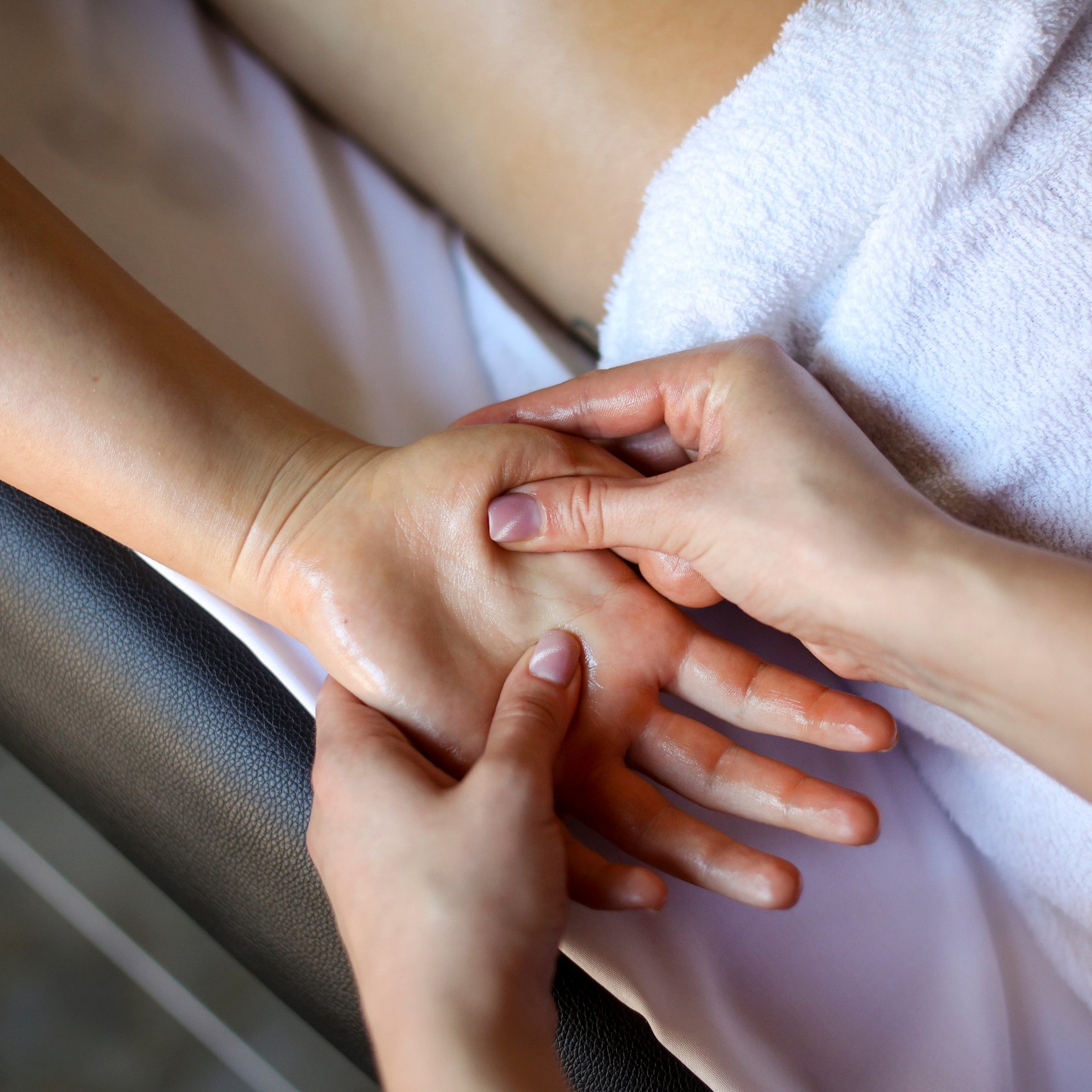
Acupressure is a traditional healing technique that involves applying manual pressure to specific points on the body. It is based on the principles of Traditional Chinese Medicine (TCM) and focuses on the idea that the body's vital energy, known as "qi" or "chi," flows through meridians or energy channels. By stimulating acupressure points, practitioners aim to balance the flow of energy and promote physical and emotional well-being.
Recommended For
Acupressure is recommended for a wide range of clients and health conditions, including:
• Pain management (headaches, back pain, arthritis)
• Stress reduction and relaxation
• Digestive issues (nausea, indigestion)
• Insomnia and sleep disorders
• Anxiety and depression
• Muscular tension and stiffness
• Menstrual and menopausal symptoms
• Respiratory problems (allergies, sinus congestion)
Benefits
The potential benefits of acupressure include:
• Pain relief
• Improved circulation
• Reduced stress and anxiety
• Enhanced relaxation and sleep
• Improved digestion
• Enhanced mood and emotional well-being
• Relief from menstrual or menopausal discomfort
• Muscle relaxation and tension release
Contraindications
Acupressure is generally safe for most people, but there are contraindications to consider. It may not be suitable for individuals with the following conditions:
• Pregnancy (specific points should be avoided)
• Open wounds, bruises, or broken skin at the acupressure site
• Recent surgery in the area
• Serious medical conditions (consultation with a healthcare provider is recommended)
How it works
Acupressure works by applying pressure to specific acupoints on the body, which are often found along meridians or energy pathways. The pressure stimulates the body's natural healing mechanisms, promotes the flow of qi, and restores balance. Practitioners use their fingers, thumbs, palms, or specialised tools to apply pressure, often in a rhythmic or pulsating manner.
Supporting Evidence
Acupressure's effectiveness is supported by anecdotal evidence and some scientific studies, but results can vary depending on the condition and individual. More research is needed to establish its efficacy conclusively for certain health concerns.
Origin & History
Acupressure is an ancient healing technique that has its roots in Traditional Chinese Medicine (TCM), dating back over 5,000 years. It shares similarities with acupuncture but involves finger pressure instead of needles.
Proprietary or generic?
Acupressure is a generic term and is not proprietary or trademarked. It is practised by various individuals and schools of Traditional Chinese Medicine around the world.
For Wellness Business
Staffing
Qualified acupressure practitioners do not typically require medical degrees but should undergo training in Traditional Chinese Medicine, acupressure techniques, and anatomy. Licensing requirements can vary by location.
Training
Training in acupressure is available through accredited TCM schools, holistic health programs, or workshops conducted by experienced practitioners. Certification may be obtained through recognized organizations.
Products & Equipment
Acupressure primarily relies on manual techniques and does not require specialised equipment. Some practitioners may use acupressure mats or tools to assist in treatment.
Facilities
Acupressure can be performed in various settings, including clinics, spas, holistic health centres, and private practices. No specialised facilities are typically required.