
Acupuncture
Description
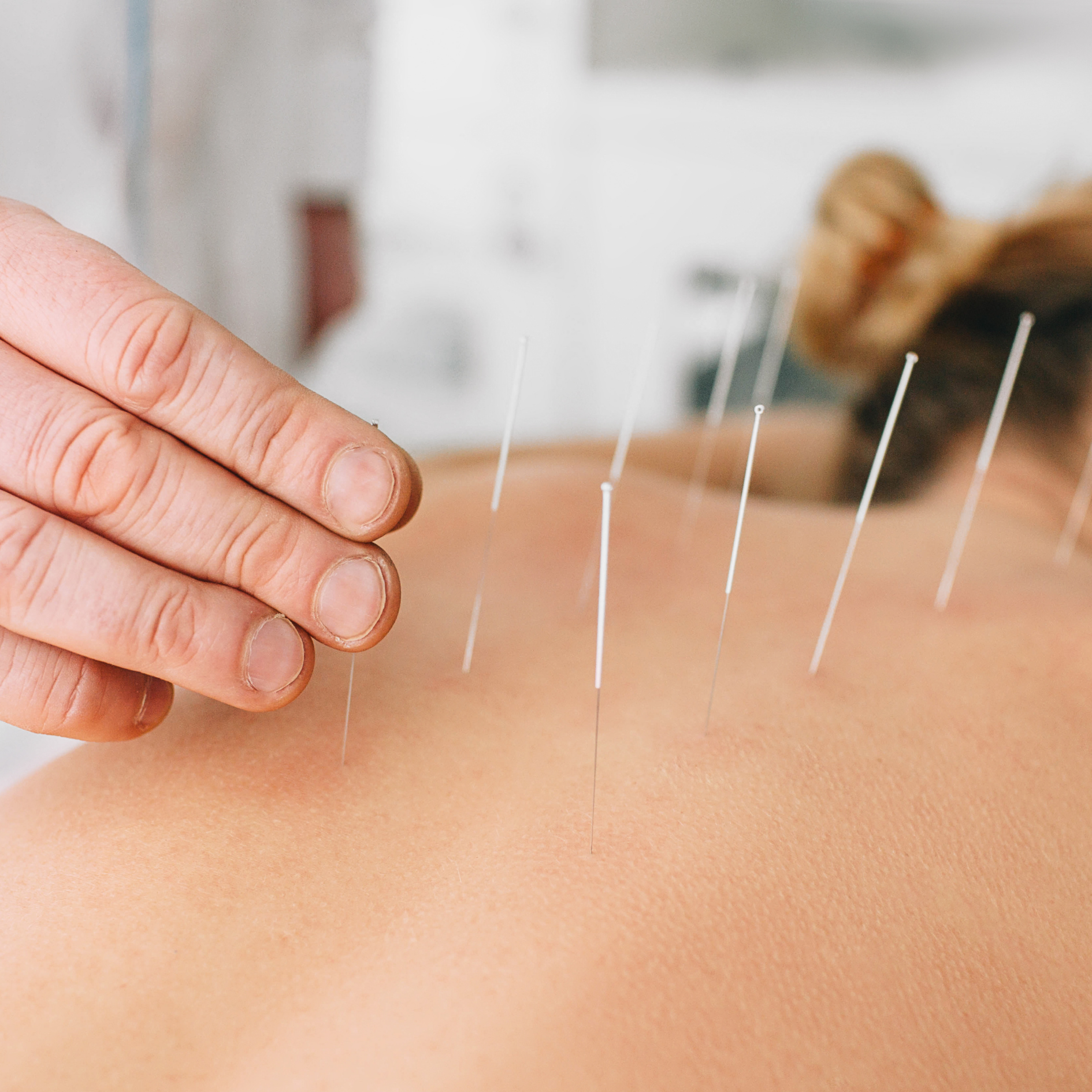
Acupuncture is a traditional Chinese medical practice that involves inserting thin needles into specific points on the body to stimulate and balance the body's energy flow, known as "qi" (pronounced "chee"). It is based on the belief that the body's vital energy flows along meridians or energy pathways and that blockages or imbalances in this flow can lead to various health problems.
Recommended For
Acupuncture is recommended for a wide range of clients and health conditions, including:
• Pain management (chronic pain, headaches, back pain)
• Stress reduction and relaxation
• Anxiety and depression
• Digestive issues (nausea, indigestion)
• Allergies and asthma
• Menstrual and menopausal symptoms
• Fertility issues
• Smoking cessation
• Side effects of chemotherapy (nausea, fatigue)
Benefits
The potential benefits of acupuncture include:
• Pain relief
• Stress reduction and relaxation
• Improved mood and emotional well-being
• Enhanced sleep quality
• Improved digestion and relief from digestive disorders
• Hormonal balance for women's health
• Enhanced fertility
• Reduction of allergy symptoms
• Support during cancer treatment
Contraindications
While acupuncture is generally safe, there are contraindications to consider. It may not be suitable for individuals with the following conditions:
• Bleeding disorders or the use of blood-thinning medications
• Pregnancy (some points should be avoided)
• Infections at the needling sites
• Certain medical conditions (consultation with a healthcare provider is recommended)
How it works
Acupuncture works by stimulating specific acupoints on the body using thin needles. The insertion of needles triggers a response in the nervous system and releases neurotransmitters, such as endorphins, which are natural painkillers. It also promotes the flow of qi and blood, helping to restore balance and relieve various symptoms.
Supporting Evidence
Acupuncture's effectiveness is supported by both clinical studies and anecdotal evidence. It has been used for thousands of years in Traditional Chinese Medicine and is increasingly recognised as a complementary therapy in Western medicine.
Origin & History
Acupuncture has its origins in ancient China and has been practised for over 2,500 years. It is a fundamental component of Traditional Chinese Medicine (TCM) and has spread to various parts of the world.
Proprietary or generic?
Acupuncture is a generic term and is not proprietary or trademarked. It is practised by various individuals and schools of Traditional Chinese Medicine worldwide. However, specific acupuncture techniques or styles may be associated with certain practitioners or schools.
For Wellness Business
Staffing
Qualified acupuncturists typically hold degrees in acupuncture or Traditional Chinese Medicine. Licensing and certification requirements vary by country and region.
Training
Training in acupuncture is offered at accredited acupuncture schools and Traditional Chinese Medicine programs. Practitioners must complete rigorous training and often undergo clinical internships. They may also pursue certification from recognised organisations.
Products & Equipment
Acupuncture primarily relies on sterile, disposable needles. Other tools such as cupping jars or electroacupuncture devices may be used as adjunct therapies.
Facilities
Acupuncture can be performed in various settings, including acupuncture clinics, wellness centres, and private practices. Treatment rooms should be clean and comfortable, with proper lighting and ventilation.