
Aromatherapy Massage
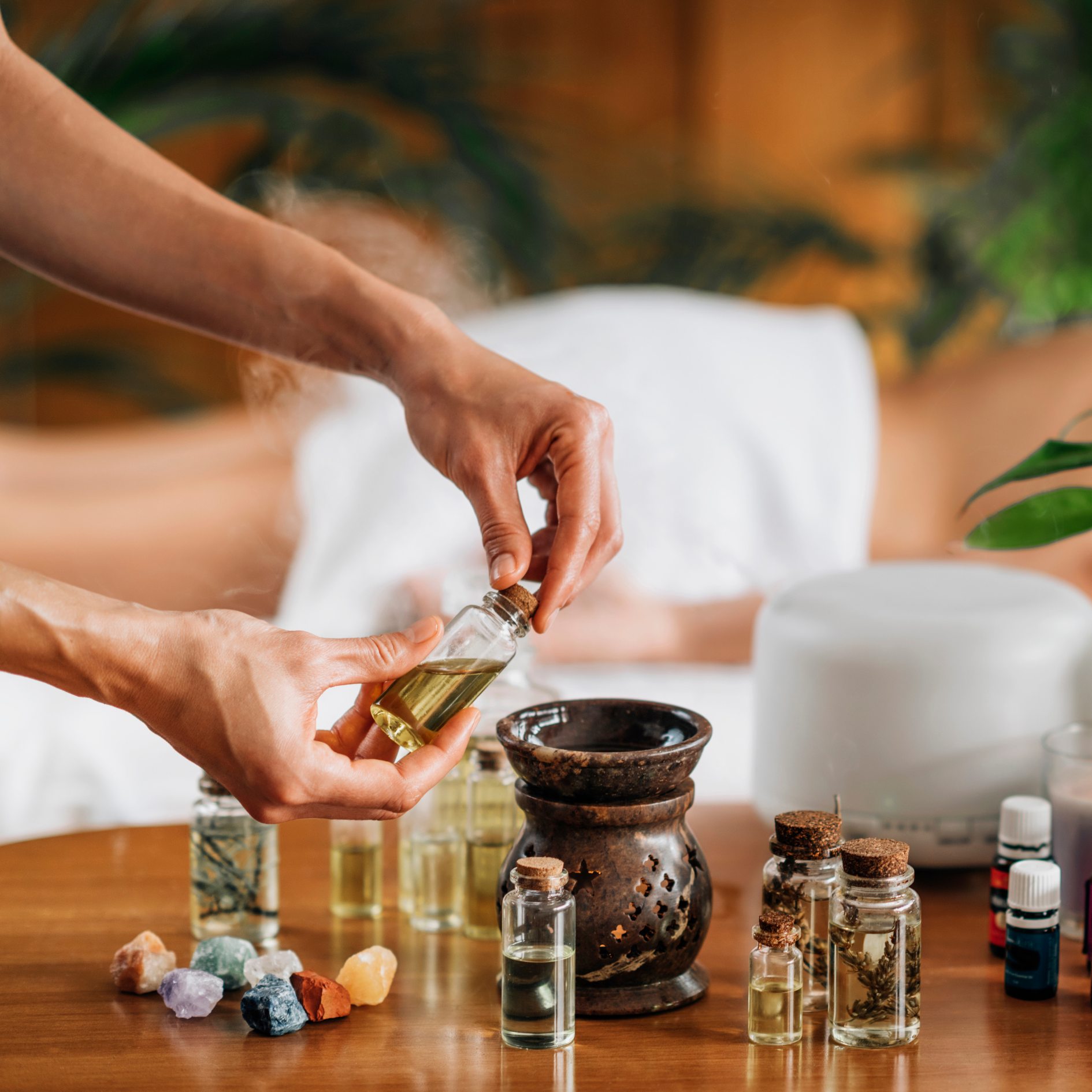
Description
Aromatherapy massage is a therapeutic practice that combines traditional massage techniques with the use of essential oils derived from aromatic plants. It aims to enhance the therapeutic benefits of massage by incorporating the aromas and healing properties of essential oils. During the massage, the therapist applies these oils to the client's skin or diffuses them in the treatment room to promote relaxation, stress relief, and other therapeutic effects.
Recommended For
Aromatherapy massage is recommended for a wide range of clients and health conditions, including:
• Individuals seeking relaxation and stress reduction
• People with anxiety, depression, or mood disorders
• Those experiencing muscle tension or pain
• Individuals with skin conditions
• People looking to improve sleep quality
• Anyone interested in a holistic and sensory-focused massage experience
Benefits
The potential benefits of aromatherapy massage include:
• Enhanced relaxation and stress reduction
• Improved mood and emotional well-being
• Relief from muscle tension and pain
• Better sleep quality
• Skin health improvement
• Support for the immune system
• Increased energy and mental clarity
Contraindications
While aromatherapy massage is generally safe, there are some contraindications to consider, including:
• Allergies or sensitivities to specific essential oils
• Skin conditions that may be aggravated by essential oils (e.g., dermatitis)
• Pregnancy (some essential oils should be avoided during pregnancy)
• Certain medical conditions (consultation with a healthcare provider is advised)
• Children and infants (some essential oils should be used with caution or avoided)
How it works
Aromatherapy massage works by combining the therapeutic benefits of massage with the sensory effects of essential oils. The therapist selects specific essential oils based on the client's needs and preferences. These oils are diluted in a carrier oil and applied to the skin during the massage. The client inhales the aroma of the oils, which can have a calming, uplifting, or grounding effect, depending on the chosen oils.
Supporting Evidence
Aromatherapy massage is recognised for its relaxation and mood-enhancing properties. While scientific evidence supporting its effectiveness for specific conditions can be limited, it is widely appreciated for its relaxation and sensory benefits.
Origin & History
The practice of using aromatic plant extracts for healing dates back thousands of years and is found in various cultures worldwide. Aromatherapy massage as it is known today has its roots in the holistic and complementary health movements of the 20th century.
Proprietary or generic?
Aromatherapy massage, as a practice, is not proprietary or trademarked. However, individual massage therapists and wellness centres may offer their unique blends of essential oils or massage techniques. Clients often choose aromatherapy massage based on the therapist's expertise and the quality of essential oils used.
For Wellness Business
Staffing
Qualified aromatherapy massage therapists typically have training and certification in massage therapy and aromatherapy. Many practitioners also hold additional qualifications in holistic health or related fields.
Training
Training in aromatherapy massage is available through recognised massage therapy schools and institutions. Certification programs cover massage techniques, essential oil knowledge, blending techniques, safety considerations, and practical application.
Products & Equipment
Aromatherapy massage requires high-quality essential oils, carrier oils for dilution, massage tables or mats, and various accessories, including diffusers and warmers for essential oil diffusion.
Facilities
Aromatherapy massage can be conducted in various settings, including wellness centres, spas, massage therapy studios, or even at home. The primary requirement is a comfortable and relaxing environment.