
Balance Training
Description
Balance training is a type of exercise and physical therapy focused on improving an individual's ability to maintain stability and equilibrium. It involves a variety of exercises and techniques aimed at enhancing balance, coordination, and proprioception (awareness of body position).
Recommended For
Balance training is recommended for a broad range of clients and can benefit:
• Older adults looking to prevent falls and maintain independence.
• Athletes seeking improved sports performance.
• Individuals recovering from injuries, such as ankle sprains.
• People with neurological conditions like Parkinson's disease.
• Those with vestibular disorders affecting balance.
• Anyone interested in enhancing overall physical stability.
Benefits
The potential benefits of balance training may include:
• Reduced risk of falls and related injuries.
• Improved coordination and posture.
• Enhanced athletic performance and agility.
• Increased confidence in daily activities.
• Rehabilitation support for various injuries.
• Better core strength and stability.
Contraindications
Balance training is generally safe for most individuals. However, people with certain medical conditions or severe balance issues should consult with a healthcare professional or physical therapist before starting a balance training program.
How it works
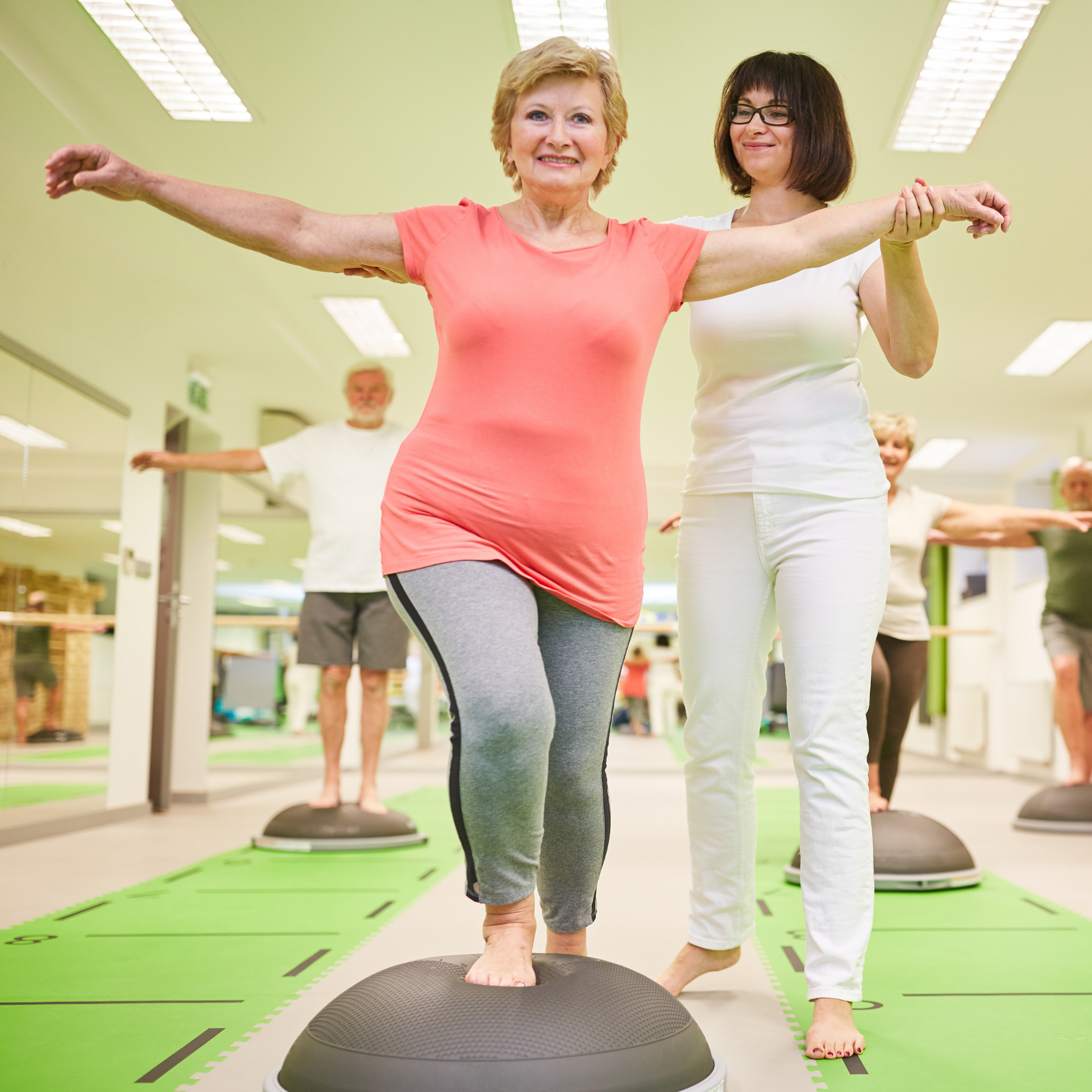
Balance training involves a variety of exercises and activities that challenge an individual's balance. These can include standing on one leg, using balance boards or stability balls, performing specific yoga poses, and engaging in activities like tai chi. The exercises force the body to adapt and improve its balance responses.
Supporting Evidence
Balance training is supported by scientific research, especially in the context of fall prevention and rehabilitation. Numerous studies have demonstrated its effectiveness in improving balance and reducing the risk of falls, particularly in older adults.
Origin & History
Balance training has a long history in various forms, including traditional practices like yoga and martial arts. In modern healthcare and fitness, balance training has gained prominence for its role in fall prevention and injury rehabilitation.
Proprietary or generic?
Balance training is a generic term used to describe a category of exercises and techniques aimed at improving balance. It is not associated with a specific trademark or brand and is widely practised in both clinical and fitness settings.
For Wellness Business
Staffing
Balance training can be conducted by a range of professionals, including physical therapists, personal trainers, yoga instructors, and healthcare providers. Qualifications vary by practitioner type, but those leading balance training sessions should have expertise in the field.
Training
Training in balance training techniques and exercises is available through various channels, including fitness certification programs, physical therapy education, and workshops. Look for courses offered by accredited institutions or organisations.
Products & Equipment
Balance training may require equipment such as balance boards, stability balls, foam pads, or resistance bands. These can be used in both clinical and home settings to enhance balance training exercises.
Facilities
Balance training can be conducted in a variety of settings, including gyms, physical therapy clinics, and community centres. Specialised facilities are not typically required, but a safe and open environment is necessary.