
Balinese Massage
Description
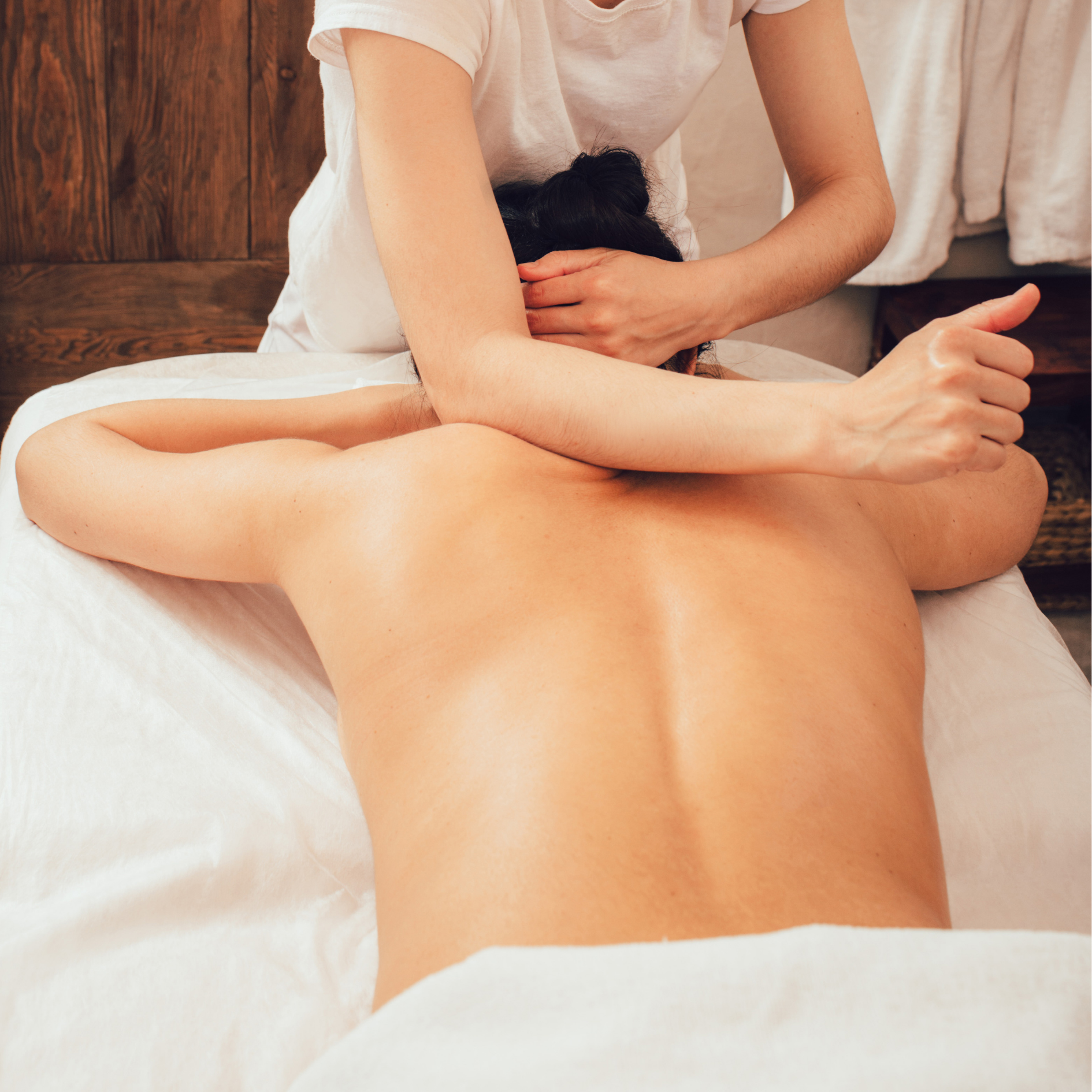
Balinese Massage is a traditional Indonesian massage therapy that combines elements of deep tissue massage, acupressure, stretching, and aromatherapy. It is known for its relaxing and rejuvenating effects and is often performed with the use of aromatic oils.
Recommended For
Balinese Massage is recommended for individuals seeking relaxation, stress reduction, and relief from muscle tension. It can also benefit those with specific concerns such as:
• Muscular pain and stiffness.
• Fatigue and stress-related issues.
• Poor circulation.
• Joint mobility concerns.
• General well-being and rejuvenation.
Benefits
The potential benefits of Balinese Massage may include:
• Deep relaxation.
• Stress reduction.
• Improved circulation.
• Relief from muscle tension and pain.
• Enhanced joint mobility.
• Promotion of overall well-being.
• Aromatherapy benefits from essential oils.
Contraindications
Balinese Massage is generally safe for most individuals. However, it may not be suitable for those with certain medical conditions, open wounds, or skin sensitivities. Pregnant women should seek specialised prenatal massage.
How it works
Balinese Massage incorporates a combination of massage techniques, including kneading, rolling, acupressure, stretching, and gentle strokes. Aromatic oils are commonly used, and the therapist customises the treatment to the client's preferences and needs.
Supporting Evidence
Balinese Massage, like many traditional massage therapies, relies on anecdotal evidence and personal testimonials for its effectiveness. While scientific studies on its specific benefits may be limited, the overall benefits of massage therapy are well-documented.
Origin & History
Balinese Massage originates from the island of Bali in Indonesia, where it has been practised for generations. It draws inspiration from traditional Indonesian healing techniques and has evolved to incorporate elements from other massage styles.
Proprietary or generic?
Balinese Massage is a generic term used to describe a traditional Indonesian massage style. While individual therapists and spas may offer their unique variations and blends of techniques and essential oils, the practice itself is not typically associated with a specific trademark or brand.
For Wellness Business
Staffing
Qualified Balinese Massage practitioners typically have training in traditional Indonesian massage techniques, anatomy, and essential oil use. They may hold certifications in massage therapy and aromatherapy.
Training
Training in Balinese Massage can be obtained through accredited massage therapy schools and wellness programs. Look for courses that offer comprehensive training in Balinese techniques and aromatherapy.
Products & Equipment
Balinese Massage often involves the use of aromatic oils, such as coconut or frangipani oil. Massage tables, linens, and soothing music may also be used to create a relaxing atmosphere.
Facilities
Balinese Massage can be performed in various settings, including spas, wellness centres, and massage studios. Facilities should provide a comfortable and tranquil environment conducive to relaxation.