
Biofeedback
Description
Biofeedback is a therapeutic technique that involves monitoring and providing real-time information about physiological processes within the body, such as heart rate, muscle tension, skin temperature, and brainwave activity. The goal is to help individuals gain awareness and control over these processes to improve their health and well-being.
Recommended For
Biofeedback is recommended for a wide range of clients and health conditions, including:
• Stress and anxiety management.
• Pain management, including chronic pain conditions.
• High blood pressure (hypertension).
• Migraine and tension headaches.
• Pelvic floor disorders.
• Attention deficit hyperactivity disorder (ADHD).
• Insomnia and sleep disorders.
• Muscular disorders.
• General well-being and performance optimisation.
Benefits
The potential benefits of Biofeedback may include:
• Stress reduction.
• Improved relaxation and self-regulation.
• Pain relief and management.
• Enhanced mental focus and concentration.
• Improved sleep patterns.
• Better control of physiological functions.
• Reduction in symptoms associated with various health conditions.
Contraindications
Biofeedback is generally safe and non-invasive. However, it may not be suitable for individuals with severe cognitive or sensory impairments that hinder their ability to understand and participate in the feedback process. Consultation with a healthcare provider is recommended for individuals with specific medical concerns.
How it works
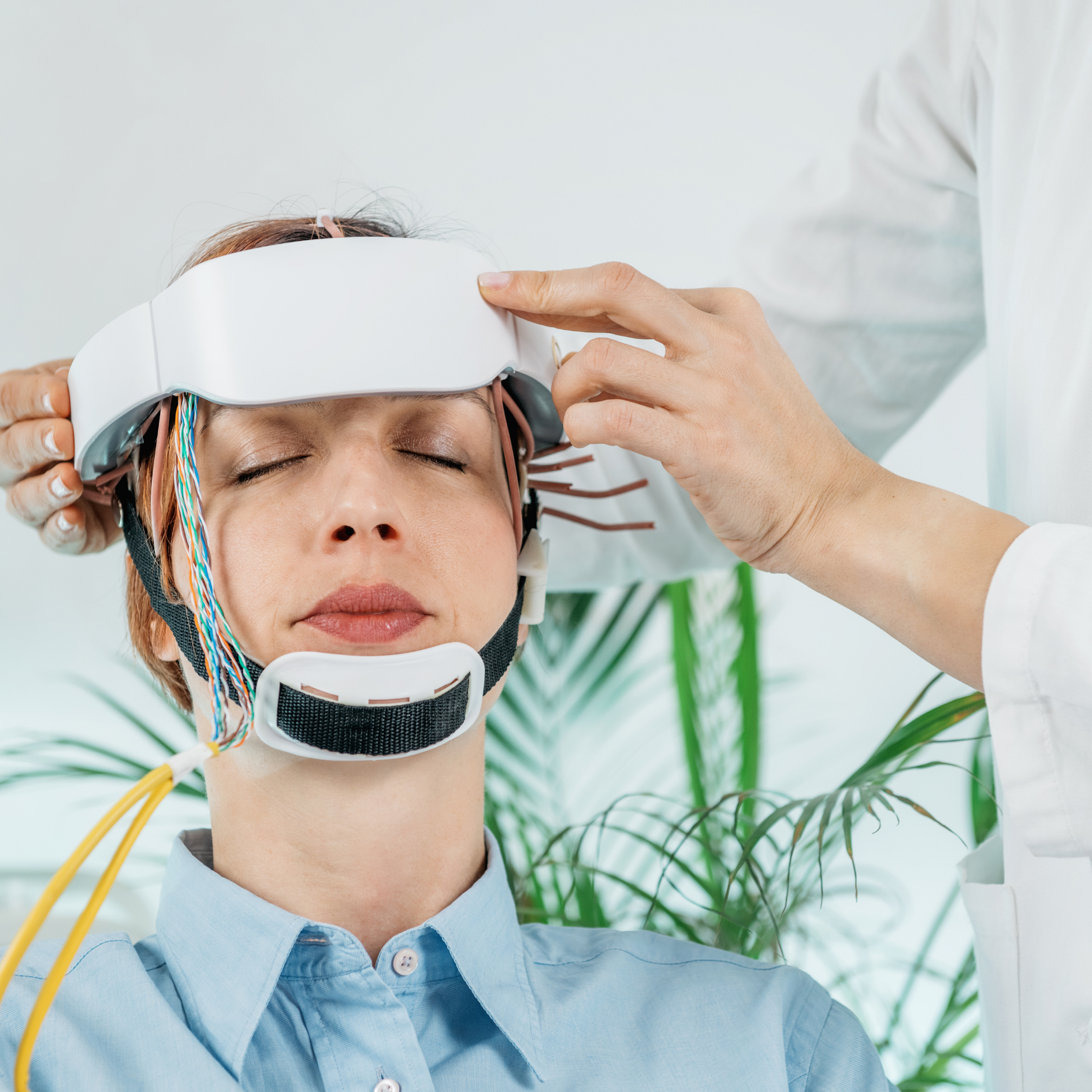
Biofeedback typically involves attaching sensors or electrodes to the client's body to measure physiological functions. The data collected is then displayed on a monitor, allowing the client to visualise and gain awareness of their bodily processes. Through practice and guidance from a trained therapist, clients learn to control these processes voluntarily.
Supporting Evidence
Biofeedback has a substantial body of research supporting its effectiveness for various conditions. Scientific studies have demonstrated its benefits in stress reduction, pain management, hypertension, and other health concerns. It is considered a well-established and evidence-based therapeutic approach.
Origin & History
Biofeedback techniques have been developed and refined over several decades. The field gained prominence in the 1960s and 1970s as technology improved and research on biofeedback's therapeutic applications expanded.
Proprietary or generic?
Biofeedback is a generic term used to describe the therapeutic technique of providing real-time feedback on physiological processes. It is not associated with a specific trademark or brand and is practised by professionals and therapists who utilise biofeedback equipment and principles.
For Wellness Business
Staffing
Qualified biofeedback practitioners often have backgrounds in psychology, counselling, or healthcare fields. They may hold certifications in biofeedback or neurofeedback training. The level of training and qualifications can vary by region and specialisation.
Training
Training in biofeedback is available through accredited institutions and organisations that offer courses, workshops, and certification programs. Individuals interested in becoming biofeedback practitioners can seek training from recognised sources.
Products & Equipment
Biofeedback equipment includes sensors, electrodes, and monitoring devices. These tools are specialised and designed for measuring various physiological parameters. Access to biofeedback equipment is typically required for practice.
Facilities
Biofeedback can be practised in a variety of settings, including private offices, clinics, hospitals, and research facilities. There are no specific facility requirements, but practitioners should ensure a quiet and comfortable environment for clients.