
Bright Light Therapy
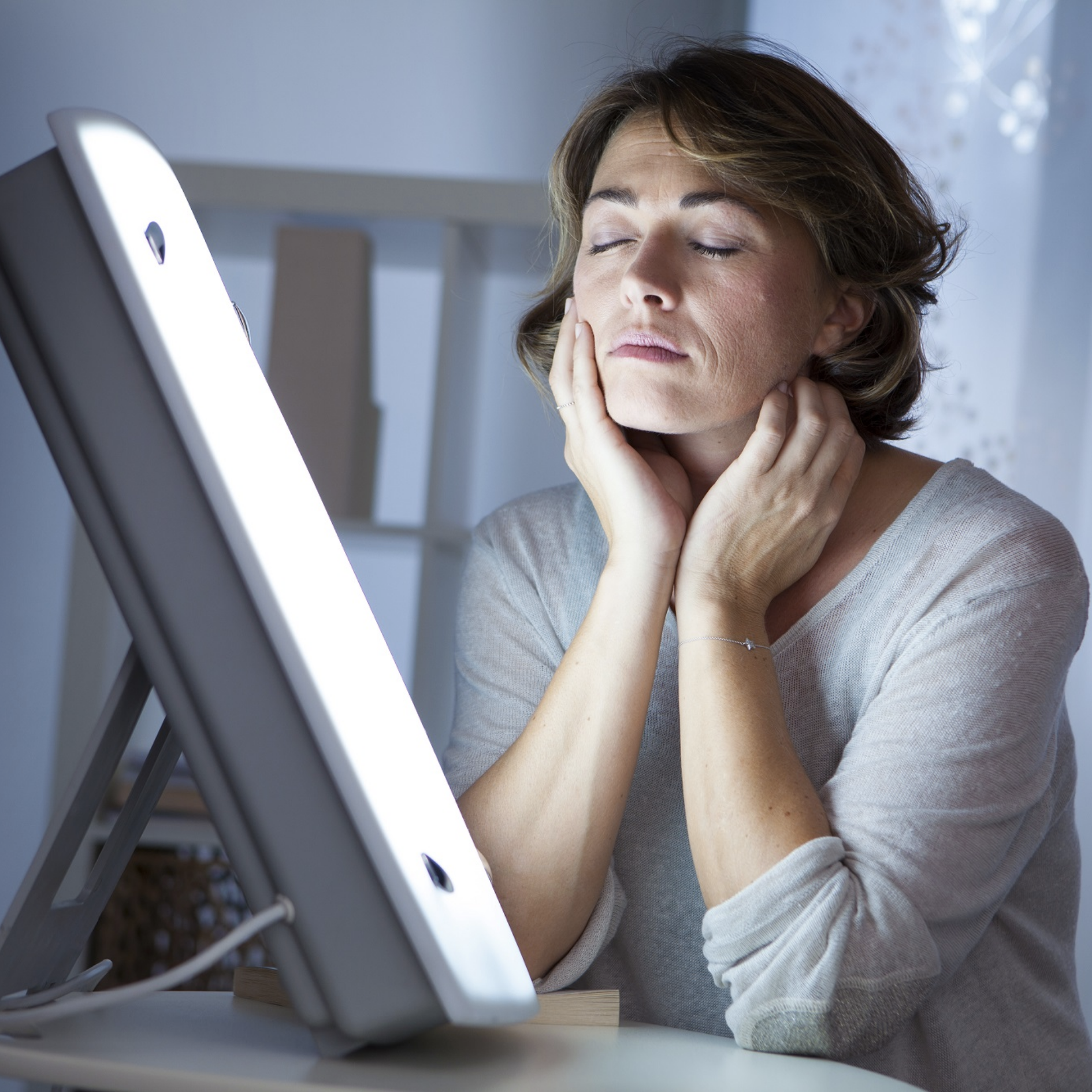
Description
Bright Light Therapy, also known as phototherapy or light box therapy, is a non-invasive treatment that involves exposure to a bright light source, typically a lightbox or light lamp, to simulate natural sunlight. This therapy is often used to treat various conditions related to circadian rhythms, sleep disorders, and mood regulation.
Recommended For
Bright Light Therapy is recommended for individuals with specific health conditions or concerns, including:
• Seasonal Affective Disorder (SAD): A type of depression that occurs seasonally, usually in the fall and winter months.
• Non-seasonal Depression: It can be effective for some individuals with major depressive disorder or bipolar disorder.
• Sleep Disorders: Particularly for circadian rhythm disorders and insomnia.
• Jet Lag: To help reset the body's internal clock after long-distance travel.
• Shift Work Sleep Disorder: For individuals who work irregular or night shifts.
Benefits
The potential benefits of Bright Light Therapy may include:
• Improved mood and reduced symptoms of depression.
• Regulation of sleep-wake cycles and improved sleep quality.
• Increased alertness and energy levels.
• Reduced symptoms of SAD.
• Alleviation of jet lag symptoms.
Contraindications
While Bright Light Therapy is generally safe, it may not be suitable for everyone. Contraindications can include certain eye conditions (e.g., retinal disorders), bipolar disorder, and medications that increase photosensitivity. A healthcare provider should be consulted before starting this therapy.
How it works
Bright Light Therapy works by exposing individuals to artificial light that mimics natural sunlight. This exposure helps regulate the body's circadian rhythms and suppress the production of melatonin, which plays a crucial role in sleep-wake cycles and mood regulation.
Supporting Evidence
Bright Light Therapy has been extensively studied and is supported by scientific research. It is considered an evidence-based treatment for Seasonal Affective Disorder (SAD) and has shown positive results in improving mood and sleep in various other conditions.
Origin & History
Bright Light Therapy has its origins in research on the effects of light on the human body's circadian rhythms. It gained popularity as a treatment for SAD in the 1980s and has since been widely used and studied.
Proprietary or generic?
Bright Light Therapy is a generic term for this type of treatment, and there is no single proprietary version. Various manufacturers produce lightboxes and lamps for use in Bright Light Therapy, and multiple brands and models are available on the market.
For Wellness Business
Staffing
Bright Light Therapy can be self-administered under the guidance of a healthcare provider or therapist. No specific qualifications are required to use a lightbox, but a healthcare professional may recommend the appropriate treatment regimen.
Training
Training in Bright Light Therapy is typically not required for individuals who use lightboxes for personal use. However, healthcare providers and therapists may receive training on its application.
Products & Equipment
Special lightboxes or light lamps designed for Bright Light Therapy are used. These devices emit bright, full-spectrum light that is safe for the eyes. It's essential to choose a lightbox that meets specific brightness and safety standards.
Facilities
Bright Light Therapy can be administered in various settings, including homes, offices, or clinics. No specialised facilities are typically required.