Capillary Removal
Description
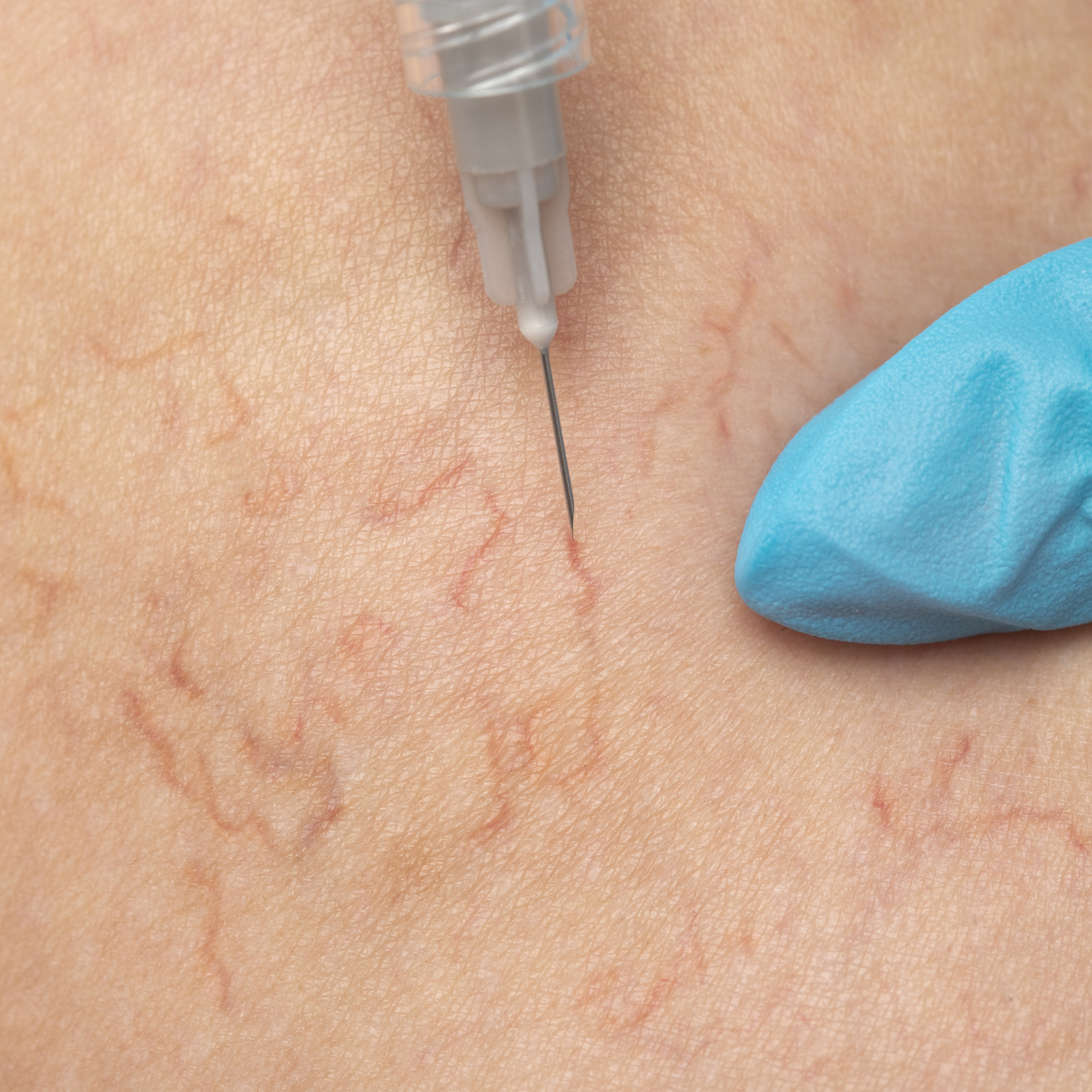
Capillary removal, also known as telangiectasia or spider vein removal, is a cosmetic procedure aimed at reducing or eliminating the appearance of small, visible blood vessels on the skin's surface. These tiny blood vessels, often called spider veins or broken capillaries, can occur on various parts of the body but are most commonly treated on the face and legs.
Recommended For
Capillary removal is typically recommended for clients who are bothered by the visible appearance of spider veins or broken capillaries on their skin. It is a cosmetic procedure and is not typically used to address underlying medical conditions. Clients seeking improvement in the appearance of spider veins or facial redness caused by capillaries may benefit from this treatment.
Benefits
• Reduction or elimination of visible spider veins and broken capillaries.
• Improved skin appearance and texture.
• Enhanced self-confidence and self-esteem.
Contraindications
Capillary removal may not be suitable for individuals with certain medical conditions or characteristics, including:
• Pregnancy
• Skin infections or open wounds in the treatment area
• Blood clotting disorders
• History of keloid scarring
• Dark or tanned skin (may require specialised equipment)
It is crucial for individuals considering this procedure to consult with a qualified practitioner to determine if they are suitable candidates.
How it works
Capillary removal is typically performed using various techniques, including laser therapy, intense pulsed light (IPL), or electrocautery. These methods work by targeting the haemoglobin in the blood vessels, causing them to coagulate and eventually be absorbed by the body. Over time, the treated capillaries become less visible or disappear, improving the skin's appearance.
Supporting Evidence
Capillary removal techniques have been used for many years in the field of cosmetic dermatology and aesthetics. While there is a substantial body of anecdotal evidence supporting their effectiveness, scientific studies may be limited. The success of the treatment can vary depending on factors such as the type of technology used and the practitioner's skill.
Origin & History
The removal of spider veins and broken capillaries has a long history in cosmetic dermatology. Various methods, including laser therapy and electrocautery, have been developed and refined over time to improve the effectiveness and safety of capillary removal procedures.
Proprietary or generic?
Capillary removal is a generic term used to describe various techniques and procedures aimed at treating spider veins and broken capillaries. While specific devices and methods may be proprietary and trademarked by manufacturers or providers, the overall concept of capillary removal is not unique to a particular person or brand.
For Wellness Business
Staffing
Capillary removal procedures are typically performed by licensed and trained healthcare professionals, such as dermatologists, cosmetic surgeons, or certified aestheticians. The qualifications required may vary by location and the specific technique used.
Training
Practitioners interested in performing capillary removal procedures can seek training through accredited educational programs, workshops, or courses offered by organisations specialising in aesthetic treatments. Training should cover the chosen technique, safety protocols, and patient assessment.
Products & Equipment
Specialised equipment used for capillary removal includes laser systems, IPL devices, or electrocautery machines. Practitioners must ensure that their equipment is properly maintained and calibrated for safe and effective treatments.
Facilities
Capillary removal can be performed in various medical or aesthetic settings, including dermatology clinics, medical spas, and cosmetic surgery centres. Facilities should meet specific safety and hygiene standards to ensure the well-being of patients.