
Chemical Peels
Description
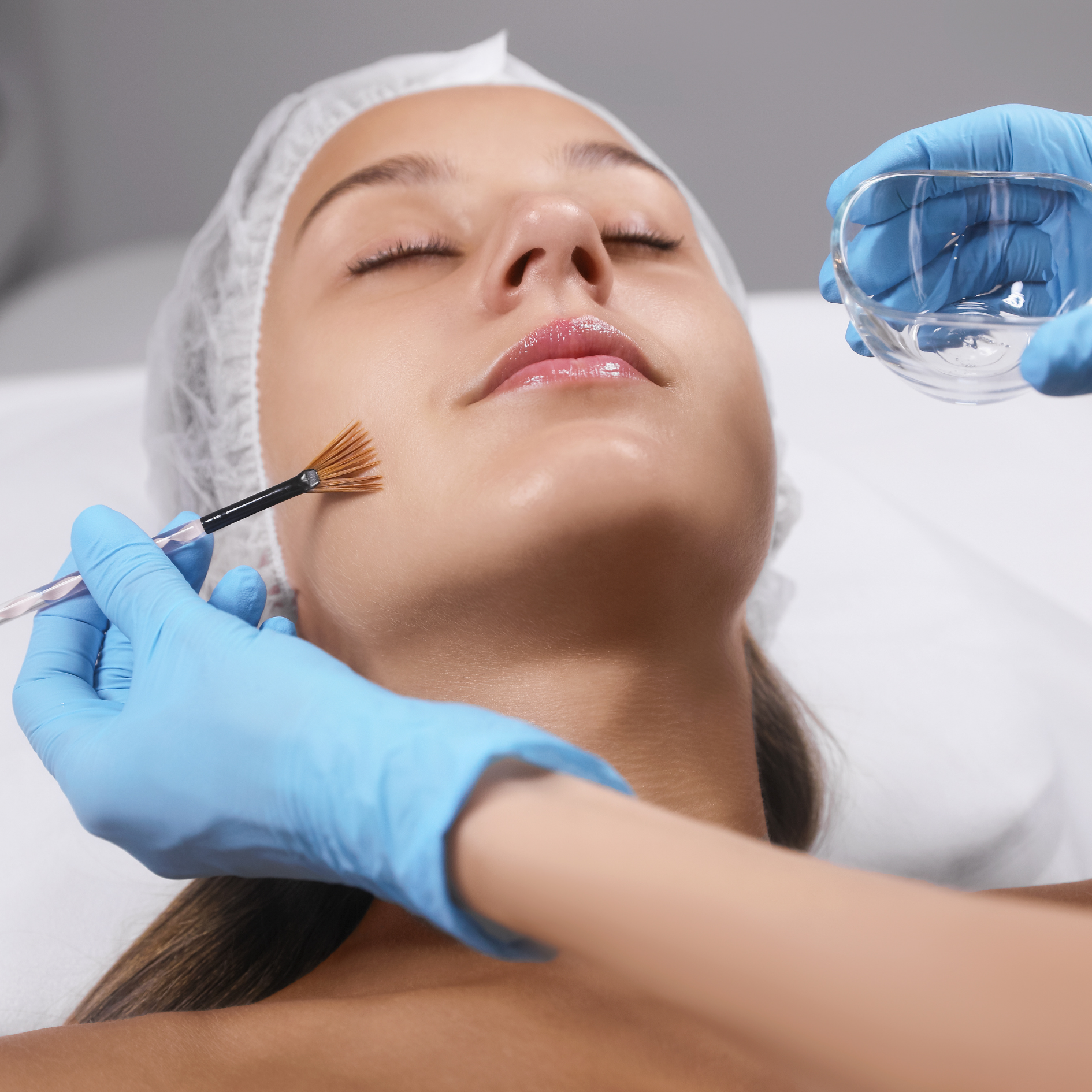
Chemical peels are cosmetic procedures used to improve the appearance of the skin by applying a chemical solution to the skin's surface. This solution causes the outermost layers of the skin to exfoliate and peel off, revealing smoother, rejuvenated skin underneath. Chemical peels can vary in strength and are classified into superficial, medium, and deep peels, depending on the depth of skin penetration.
Recommended For
Chemical peels are recommended for clients seeking to address various skin concerns, including:
• Uneven skin tone and texture
• Fine lines and wrinkles
• Acne scars or blemishes
• Sun damage and pigmentation irregularities
• Superficial skin imperfections
However, the suitability of chemical peels depends on the individual's skin type, condition, and goals. Consultation with a qualified practitioner is crucial to determine the appropriate peel and treatment plan.
Benefits
• Improved skin texture and tone.
• Reduction of fine lines and wrinkles.
• Minimisation of acne scars and blemishes.
• Enhanced skin radiance and brightness.
• Enhanced product absorption due to removal of dead skin cells.
Contraindications
Chemical peels may not be suitable for individuals with certain medical conditions or characteristics, including:
• Active skin infections or open wounds
• Recent use of oral isotretinoin (Accutane)
• Allergies or sensitivities to peel ingredients
• Pregnancy or breastfeeding
• Dark skin tones (risk of post-inflammatory hyperpigmentation)
It is essential for individuals considering chemical peels to consult with a qualified practitioner to determine if they are suitable candidates.
How it works
Chemical peels work by applying a chemical solution to the skin's surface. The solution typically contains one or more exfoliating agents, such as alpha hydroxy acids (AHAs), beta hydroxy acids (BHAs), or trichloroacetic acid (TCA). The chemical solution causes controlled damage to the outer layers of the skin, which then peel away over a few days to reveal smoother, fresher skin underneath. The depth of penetration and the specific ingredients used determine the peel's strength and its effects.
Supporting Evidence
Chemical peels have been used for many years and are generally considered effective for various skin concerns. Scientific studies and clinical evidence support their efficacy in improving skin texture, reducing signs of aging, and addressing specific dermatological issues.
Origin & History
The use of chemical peels in skincare dates back to ancient civilisations, including ancient Egypt, where natural acids from fruits and milk were applied to the skin for exfoliation. Modern chemical peels have evolved through advancements in dermatology and cosmetic science.
Proprietary or generic?
Chemical peels are a generic term used to describe a range of skin treatments that involve the application of chemical solutions to exfoliate and rejuvenate the skin. While specific products and protocols may be proprietary or trademarked by manufacturers or providers, the overall concept and practice of chemical peels are not unique to a specific person or brand.
For Wellness Business
Staffing
Chemical peels are typically performed by licensed and trained skincare professionals, including dermatologists, plastic surgeons, certified aestheticians, and licensed nurses. The qualifications required may vary depending on local regulations.
Training
Practitioners interested in offering chemical peel treatments can seek training through accredited educational programs, workshops, or courses provided by organisations specialising in skincare and aesthetics.
Products & Equipment
Chemical peels require specific peel solutions and application tools, such as brushes or cotton swabs. Proper safety measures, including eye protection and skin prep products, are also necessary.
Facilities
Chemical peel treatments can be conducted in various medical or aesthetic settings, including dermatology clinics, medical spas, and plastic surgery centres. Facilities should adhere to healthcare and safety standards to ensure the well-being of clients.