
Craniosacral Therapy
Description
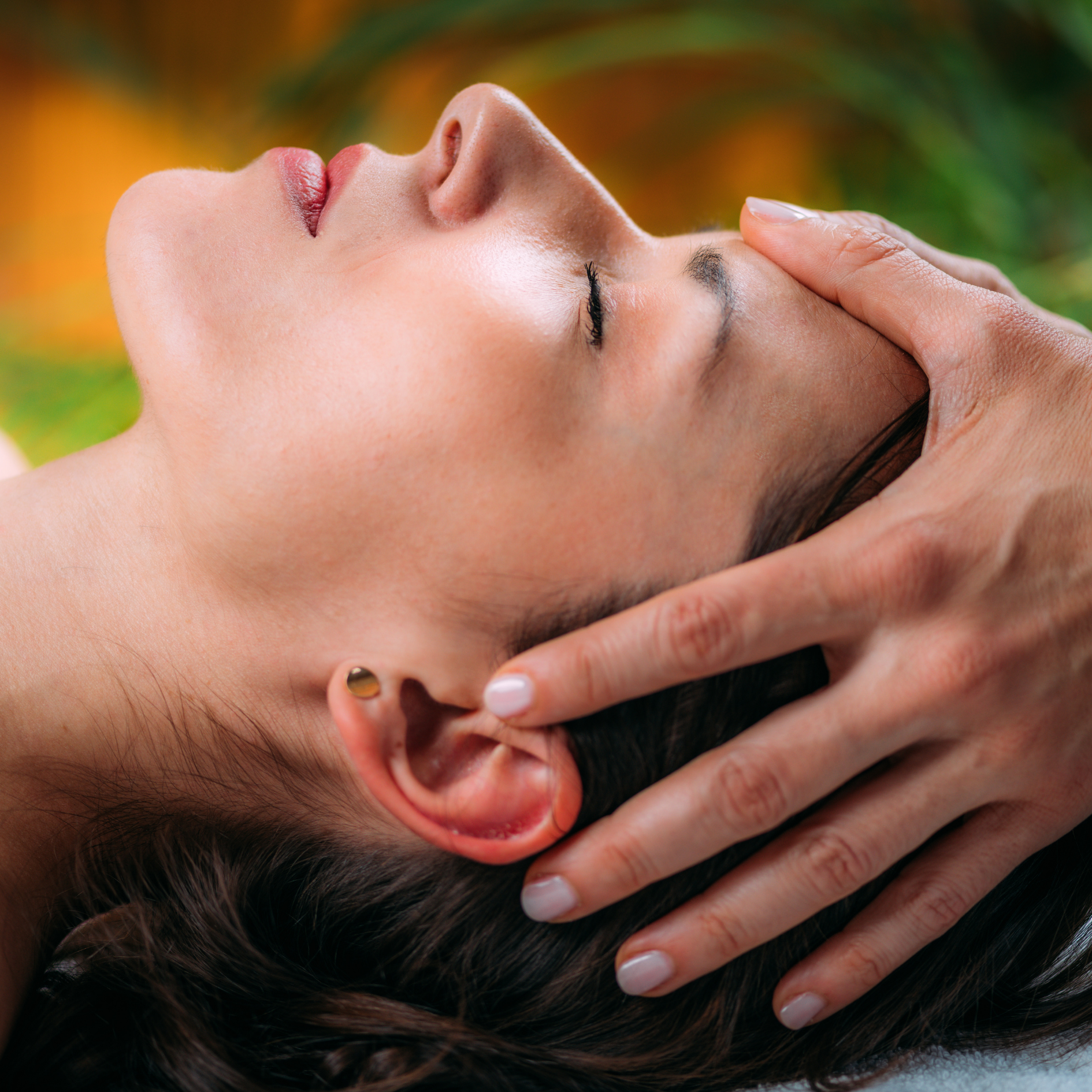
Craniosacral Therapy (CST) is a gentle, hands-on approach to holistic healing and well-being. It involves a practitioner using light touch to assess and manipulate the craniosacral system, which includes the cerebrospinal fluid and membranes surrounding the brain and spinal cord. CST aims to improve the body's self-healing mechanisms and promote balance in the nervous system.
Recommended For
Craniosacral Therapy is recommended for a broad range of clients and health conditions, including:
• Individuals experiencing stress, anxiety, or tension.
• People with chronic pain, headaches, or migraines.
• Those seeking relief from musculoskeletal issues, such as back pain.
• Individuals with emotional or psychological challenges.
• Children and infants with developmental issues or birth trauma.
• Clients seeking relaxation, wellness, and balance.
Benefits
• Relaxation and stress reduction.
• Pain relief and improved musculoskeletal function.
• Enhanced emotional well-being and mental clarity.
• Support for the body's self-healing abilities.
• Improved sleep and overall vitality.
• Potential relief from conditions like fibromyalgia and temporomandibular joint (TMJ) disorders.
Contraindications
Craniosacral Therapy is generally considered safe. However, it may not be suitable for individuals with certain conditions, such as recent head injuries, acute aneurysms, or severe bleeding disorders. Pregnant individuals should seek specialised prenatal craniosacral therapy.
How it works
During a CST session, the client typically lies fully clothed on a treatment table. The practitioner uses light touch to assess the craniosacral rhythm and gently manipulates the body's tissues to release restrictions and tension. This helps to restore balance within the craniosacral system, facilitating the body's natural healing processes.
Supporting Evidence
Craniosacral Therapy has anecdotal and clinical support for its effectiveness in promoting relaxation, reducing pain, and improving overall well-being. However, scientific evidence is limited, and more research is needed to validate its specific therapeutic claims.
Origin & History
CST was developed by Dr. John E. Upledger, an osteopathic physician, in the 1970s. It was influenced by earlier osteopathic cranial techniques and the concept of cranial rhythm. Dr. Upledger's work has since popularise CST as a complementary therapy.
Proprietary or generic?
Craniosacral Therapy is a specific therapeutic approach developed by Dr. John E. Upledger. While certain techniques or models may be trademarked or proprietary, the broader concept of craniosacral therapy is not unique to a specific person or brand.
For Wellness Business
Staffing
Qualified craniosacral therapists or practitioners provide CST. They may come from various healthcare backgrounds, such as osteopathy, massage therapy, or physical therapy. Requirements for practice may vary by location.
Training
Training in Craniosacral Therapy is available through certified training programs and schools that specialise in this modality. Practitioners often complete multiple levels of training to become proficient.
Products & Equipment
Craniosacral Therapy typically requires a massage table and a quiet, comfortable treatment room. Practitioners may use their hands or occasionally employ light props, such as soft touch or myofascial release tools.
Facilities
CST sessions can be conducted in various settings, including private practices, wellness centres, and complementary therapy clinics. Facilities should provide a calm and inviting environment.