Crenotherapy
Description
Crenotherapy, also known as balneotherapy, is a therapeutic approach that involves the use of natural mineral waters and thermal baths for health and well-being. It encompasses various treatments, such as drinking or bathing in mineral-rich spring waters, mud baths, and inhalation therapy, with the aim of promoting healing, relaxation, and improved health.
Recommended For
Crenotherapy may be recommended for individuals with a range of health conditions and wellness goals, including:
• Musculoskeletal disorders (e.g., arthritis, joint pain).
• Skin conditions (e.g., psoriasis, eczema).
• Respiratory issues (e.g., asthma, bronchitis).
• Stress reduction and relaxation.
• Detoxification and general well-being.
• Rehabilitation following surgery or injury.
• Gastrointestinal disorders (e.g., digestive problems).
However, the specific recommendations and suitability of crenotherapy depend on individual health and the type of mineral waters used.
Benefits
• Pain relief and improved joint mobility.
• Skin condition improvement.
• Enhanced respiratory function.
• Stress reduction and relaxation.
• Detoxification and improved digestion.
• Potential relief from certain chronic conditions.
• General improvement in overall well-being.
Contraindications
Crenotherapy may not be suitable for individuals with certain medical conditions, such as severe cardiovascular problems, acute infections, or open wounds. Pregnant individuals should seek guidance from a healthcare professional before participating in crenotherapy.
How it works
Crenotherapy utilises natural mineral waters that are often rich in specific minerals and trace elements. The exact mechanisms of action can vary depending on the type of treatment:
• Drinking mineral water: Consuming mineral-rich spring water is believed to provide essential minerals to the body and promote digestion and detoxification.
• Bathing in mineral waters: Immersing in thermal baths can relax muscles, improve circulation, and reduce pain and inflammation.
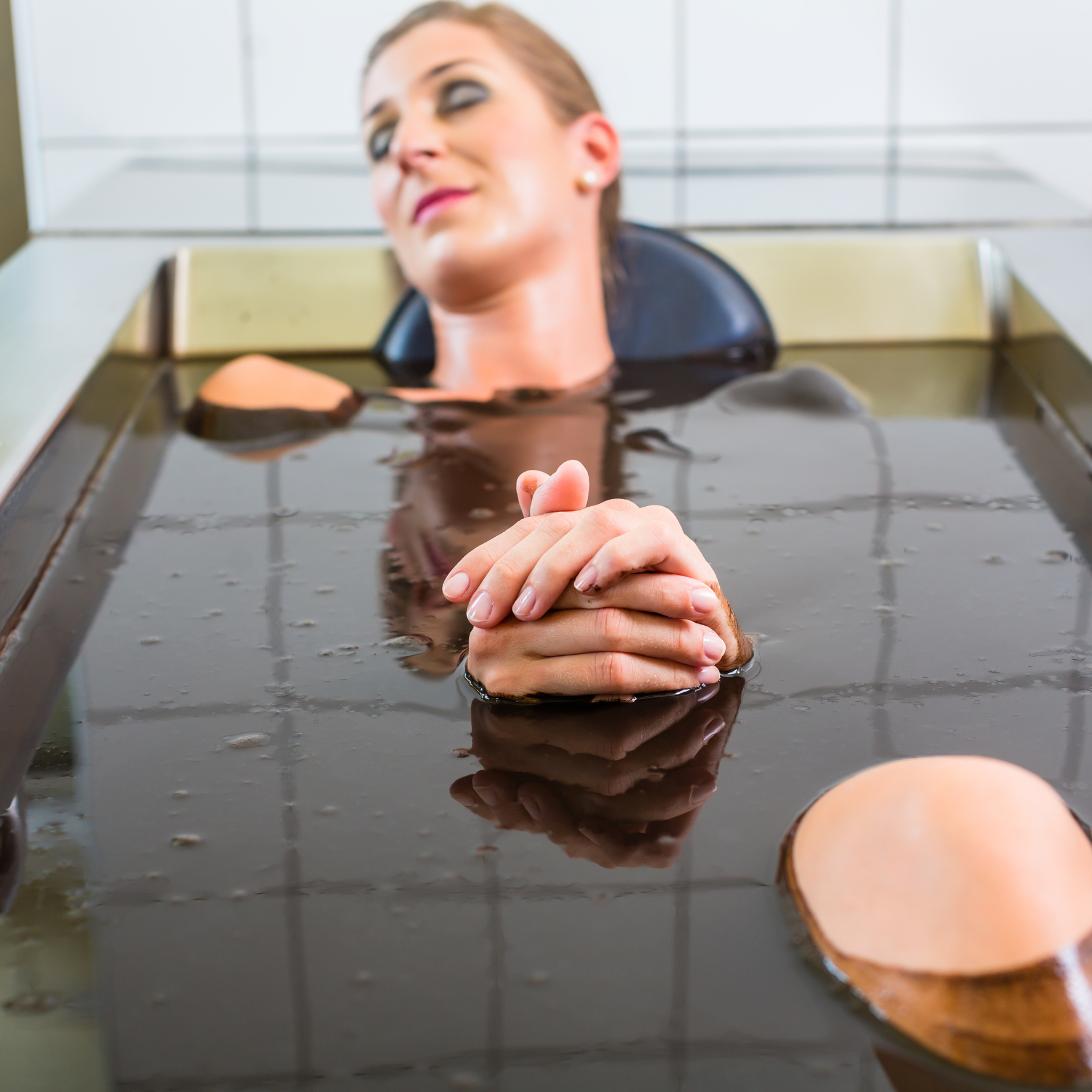
• Mud baths: Mud is often applied to the skin and is thought to draw out toxins, improve skin health, and reduce inflammation.
• Inhalation therapy: Inhaling mineral-rich steam is believed to benefit respiratory health and alleviate respiratory issues.
Supporting Evidence
Crenotherapy has a long history and is often based on traditional practices. While there is anecdotal evidence of its benefits, scientific research on the effectiveness of crenotherapy is limited, and more studies are needed to establish its efficacy.
Origin & History
Crenotherapy has ancient roots, with the use of natural mineral waters for healing and wellness dating back to ancient civilisations. It gained popularity in European spa towns during the 18th and 19th centuries and has since evolved into various forms of hydrotherapy.
Proprietary or generic?
Crenotherapy is a generic term for various therapeutic practices using natural mineral waters. While specific treatments or facilities may be owned by particular brands or locations, the broader concept of crenotherapy is not proprietary or trademarked.
For Wellness Business
Staffing
Crenotherapy treatments are typically administered by trained professionals, such as balneologists, hydrotherapists, or medical professionals. Depending on the treatment, practitioners may include doctors, nurses, or spa therapists.
Training
Training in crenotherapy varies depending on the specific treatments and services offered. Balneologists and hydrotherapists often undergo specialised training and certifications in the field.
Products & Equipment
Crenotherapy requires access to natural mineral springs or thermal waters, which are typically found in specific geographic locations. The equipment used may include thermal baths, mud baths, or inhalation facilities.
Facilities
Crenotherapy facilities are often located in spa towns or regions known for their natural mineral springs. These facilities should provide access to mineral waters, bathing facilities, and related treatments.