
Cupping
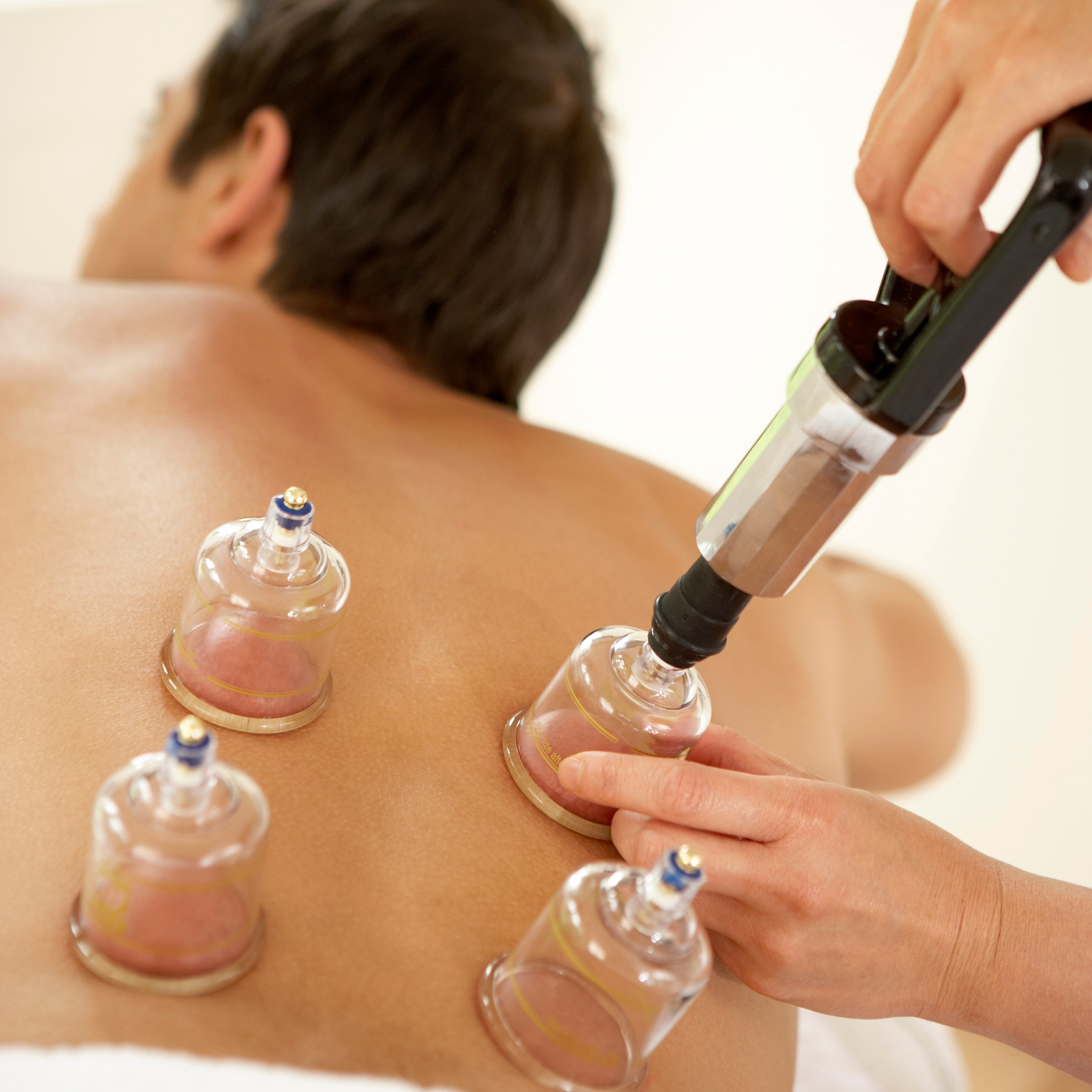
Description
Cupping is a therapeutic practice that involves placing cups on the skin to create a vacuum or suction effect. These cups can be made of various materials, such as glass, bamboo, or silicone. Cupping is often used as a complementary therapy to address a variety of health concerns.
Recommended For
Cupping is recommended for a range of clients and health conditions, including:
• Musculoskeletal pain and tension (e.g., back pain, neck pain).
• Respiratory conditions (e.g., asthma, bronchitis).
• Stress and anxiety reduction.
• Detoxification and improving circulation.
• Digestive issues (e.g., bloating, constipation).
• Promoting relaxation and overall well-being.
However, the suitability of cupping may vary depending on individual health and the specific type of cupping used.
Benefits
• Pain relief and reduced muscle tension.
• Improved blood circulation and lymphatic flow.
• Stress reduction and relaxation.
• Detoxification through improved lymphatic drainage.
• Potential relief from respiratory symptoms.
• Improved digestion and reduced bloating.
• Enhanced overall sense of well-being.
Contraindications
Cupping may not be suitable for individuals with certain conditions, including:
• Skin conditions (e.g., eczema, psoriasis, sunburn).
• Open wounds or injuries.
• Pregnant individuals (particularly on the abdomen or lower back).
• Individuals with bleeding disorders or those taking blood-thinning medications.
How it works
Cupping works by creating a vacuum inside the cups, which draws the skin and underlying tissue upward into the cup. This suction effect is thought to:
• Promote blood flow and oxygenation to the treated area.
• Release muscle tension and knots.
• Improve the flow of lymphatic fluid for detoxification.
• Create a therapeutic massage-like effect on the body's tissues.
Supporting Evidence
While cupping has been used for centuries in traditional medicine systems, scientific evidence supporting its efficacy is limited. Many studies on cupping have produced mixed results, and more research is needed to establish its effectiveness for specific conditions.
Origin & History
Cupping has ancient roots and has been practised in various forms in traditional Chinese medicine, Ayurveda, and other healing traditions for thousands of years. It gained recognition in the West through traditional Chinese medicine and has since become popular in complementary and alternative medicine.
Proprietary or generic?
Cupping is a generic therapeutic practice that has been used in various cultures for centuries. While specific cupping techniques or products may be associated with particular brands or practitioners, the broader concept of cupping is not proprietary or trademarked.
For Wellness Business
Staffing
Cupping can be performed by trained professionals, including licensed acupuncturists, massage therapists, and practitioners with cupping certifications. Some individuals also practice self-administered cupping at home.
Training
Training in cupping techniques is available through accredited schools and courses. Professionals typically receive hands-on training and learn about the various cupping methods and safety precautions.
Products & Equipment
Cupping requires specialised cups, which can be made of glass, bamboo, silicone, or plastic. The cups can be applied using different techniques, such as fire cupping (with heated cups) or vacuum pump cupping.
Facilities
Cupping can be performed in various settings, including acupuncture clinics, massage therapy studios, or wellness centres. The facilities should provide a safe and clean environment for the practice.