
Dermabrasion
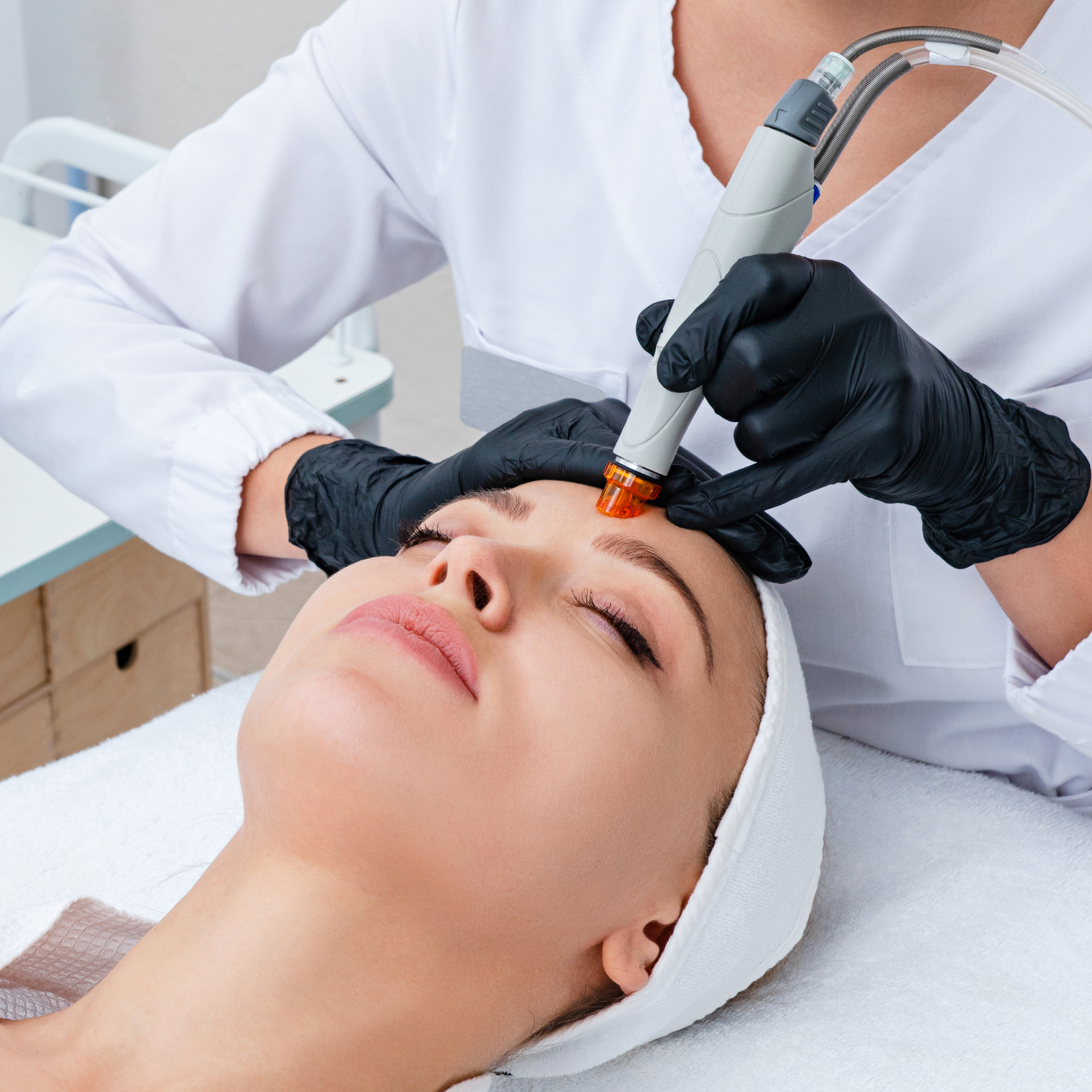
Description
Dermabrasion is a cosmetic procedure that involves the mechanical exfoliation of the top layer of the skin using a specialised instrument or device. It is used to improve the appearance and texture of the skin by addressing issues like scars, fine lines, wrinkles, and hyperpigmentation. Dermabrasion is more invasive than microdermabrasion and can be performed by a dermatologist or plastic surgeon.
Recommended For
Dermabrasion is recommended for individuals with specific skin concerns, including:
• Acne scars
• Surgical scars
• Fine lines and wrinkles
• Uneven skin texture
• Hyperpigmentation or sun damage
• Precancerous skin growths (in some cases)
Benefits
Benefits of dermabrasion may include:
• Smoother and more even skin texture
• Improved skin tone and colour
• Reduced appearance of scars and wrinkles
• Enhanced penetration of skincare products
• Boosted self-confidence and self-esteem
Contraindications
Dermabrasion may not be suitable for individuals with certain contraindications, including:
• Active acne or skin infections in the treatment area
• Recent use of isotretinoin (Accutane)
• Skin conditions like eczema or psoriasis during flare-ups
• History of keloid or hypertrophic scarring
• Certain medical conditions or medications that affect skin healing
• Darker skin tones (increased risk of pigmentation changes)
How it works
Dermabrasion works by using a rotating instrument, typically a high-speed wire brush or diamond-tipped wheel, to abrade the outermost layer of the skin (epidermis). This controlled injury prompts the skin to heal itself, leading to the formation of new, smoother skin. The depth and intensity of the treatment can be adjusted based on the specific skin concern being addressed.
Supporting Evidence
Dermabrasion has been used for many years and is considered effective for skin resurfacing. While there may not be extensive scientific studies on dermabrasion itself, the principles of controlled skin injury and regeneration are well-established in medical and aesthetic practices.
Origin & History
The concept of controlled skin abrasion for cosmetic purposes dates back centuries. Modern dermabrasion techniques were developed in the early 20th century, and refinements in technology and safety have continued over the years.
Proprietary or generic?
Dermabrasion is a generic term for the mechanical exfoliation of the skin's surface and is not proprietary or trademarked. Various brands and manufacturers offer dermabrasion equipment, but the therapy itself is a widely practiced and established cosmetic procedure.
For Wellness Business
Staffing
Dermabrasion should be performed by a qualified and experienced healthcare professional, typically a dermatologist or plastic surgeon. These specialists have the necessary training and expertise to perform the procedure safely.
Training
Training in dermabrasion is typically part of the education and training received by dermatologists and plastic surgeons. Professionals seeking to offer dermabrasion should have specialised training and certification in the procedure.
Products & Equipment
Dermabrasion requires specialised equipment, including a dermabrader or microdermabrasion machine, sterilised instruments, and protective gear. The equipment must meet safety and sanitation standards.
Facilities
Facilities offering dermabrasion should have a well-equipped treatment room with proper lighting and sterilisation facilities. Compliance with safety and infection control protocols is crucial.