
Electrical Therapies
Description
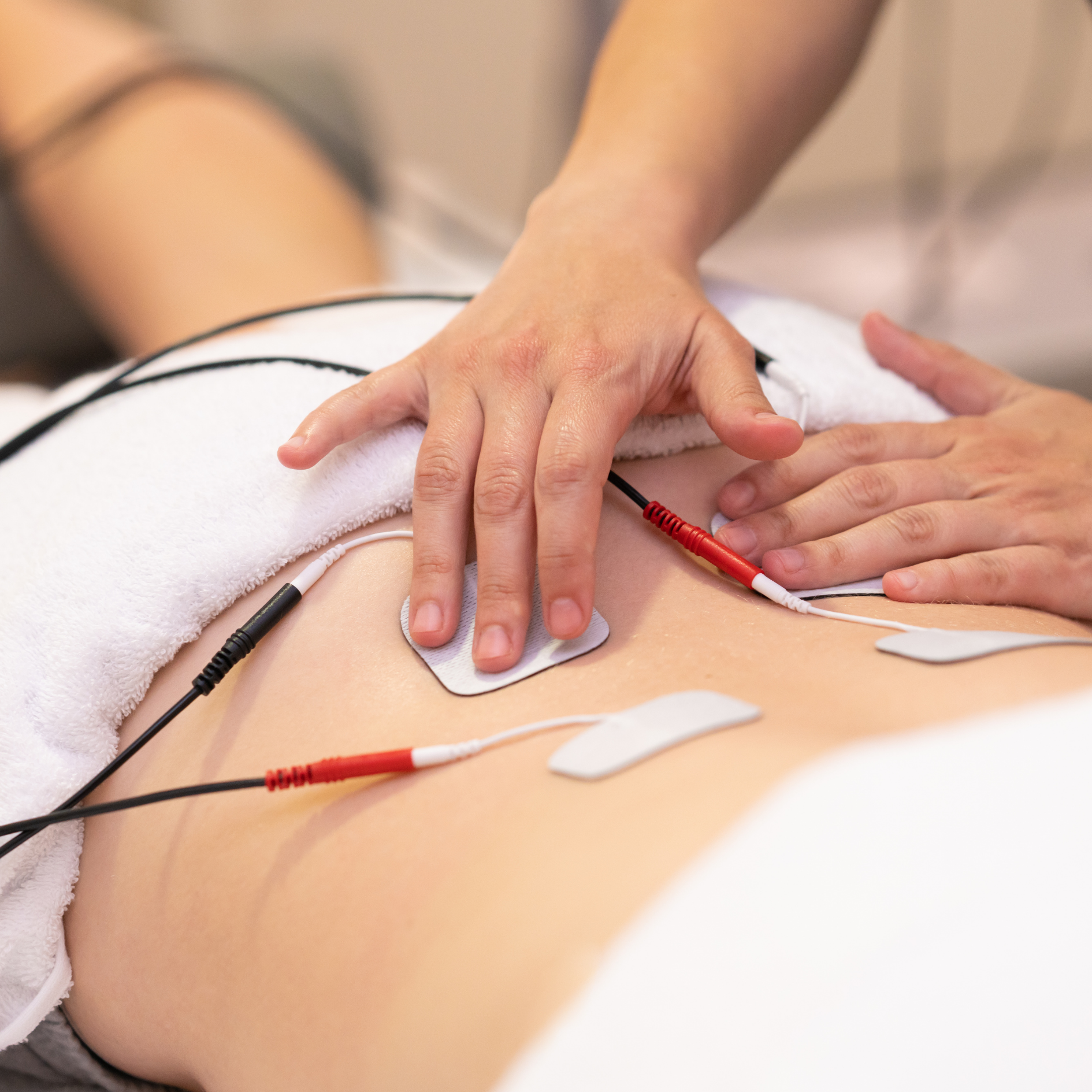
Electrical therapies refer to a group of therapeutic approaches that utilise electrical currents or devices to promote healing, pain relief, muscle stimulation, or other physiological effects. These therapies vary in terms of the type of electrical stimulation used, ranging from low-level electrical currents to more invasive procedures.
Recommended For
Electrical therapies are recommended for individuals with specific health conditions or needs, including:
• Pain management (e.g., chronic pain, musculoskeletal pain)
• Rehabilitation following injuries or surgeries
• Muscle stimulation and strengthening
• Nerve-related conditions (e.g., neuropathy)
• Wound healing (e.g., electrical stimulation for wound care)
• Treatment of certain medical conditions (e.g., transcutaneous electrical nerve stimulation for chronic pain)
Benefits
Benefits of electrical therapies may include:
• Pain relief
• Improved muscle function and strength
• Enhanced circulation
• Accelerated wound healing
• Reduced muscle spasms
• Improved nerve function
• Enhanced drug delivery (iontophoresis)
Contraindications
Electrical therapies may not be suitable for individuals with specific contraindications, including:
• Pacemakers or implanted electronic devices (depending on the therapy)
• Active skin infections or open wounds at the treatment site
• Sensitivity or allergies to electrical stimulation materials
• Certain medical conditions or disorders requiring caution (consultation with a healthcare provider is essential)
How it works
The mechanisms of action for electrical therapies vary depending on the specific type of therapy. In general, electrical therapies work by delivering controlled electrical currents to target tissues or nerves, which can modulate pain signals, stimulate muscle contractions, promote circulation, or enhance tissue healing.
Supporting Evidence
There is a substantial body of scientific research supporting the efficacy of various electrical therapies for specific health conditions. However, the level of evidence varies among different therapies and applications. Consultation with a healthcare provider is recommended to determine the appropriateness of electrical therapy for a particular condition.
Origin & History
The use of electrical stimulation for therapeutic purposes dates back to ancient times, with early applications of electricity in medical practice. Advances in technology have led to the development of various electrical therapies used in modern medicine and rehabilitation.
Proprietary or generic?
For Wellness Business
Staffing
Electrical therapies are typically administered by healthcare professionals, including physical therapists, occupational therapists, chiropractors, and medical doctors, depending on the therapy and condition being treated.
Training
Training in electrical therapies is provided through accredited healthcare programs and professional organisations. Healthcare professionals must receive specialised training and certification in specific electrical therapies to practice safely and effectively.
Products & Equipment
Electrical therapies require specialised equipment and devices, such as electrical stimulation units, transcutaneous electrical nerve stimulation (TENS) machines, neuromuscular electrical stimulation (NMES) devices, and iontophoresis machines, among others. Equipment should meet safety and quality standards.
Facilities
Electrical therapies encompass a wide range of techniques and devices, many of which are generic and widely available. Some therapies may be associated with specific brands or manufacturers, but the concept of using electrical currents for therapeutic purposes is not proprietary.