Floatation
Description
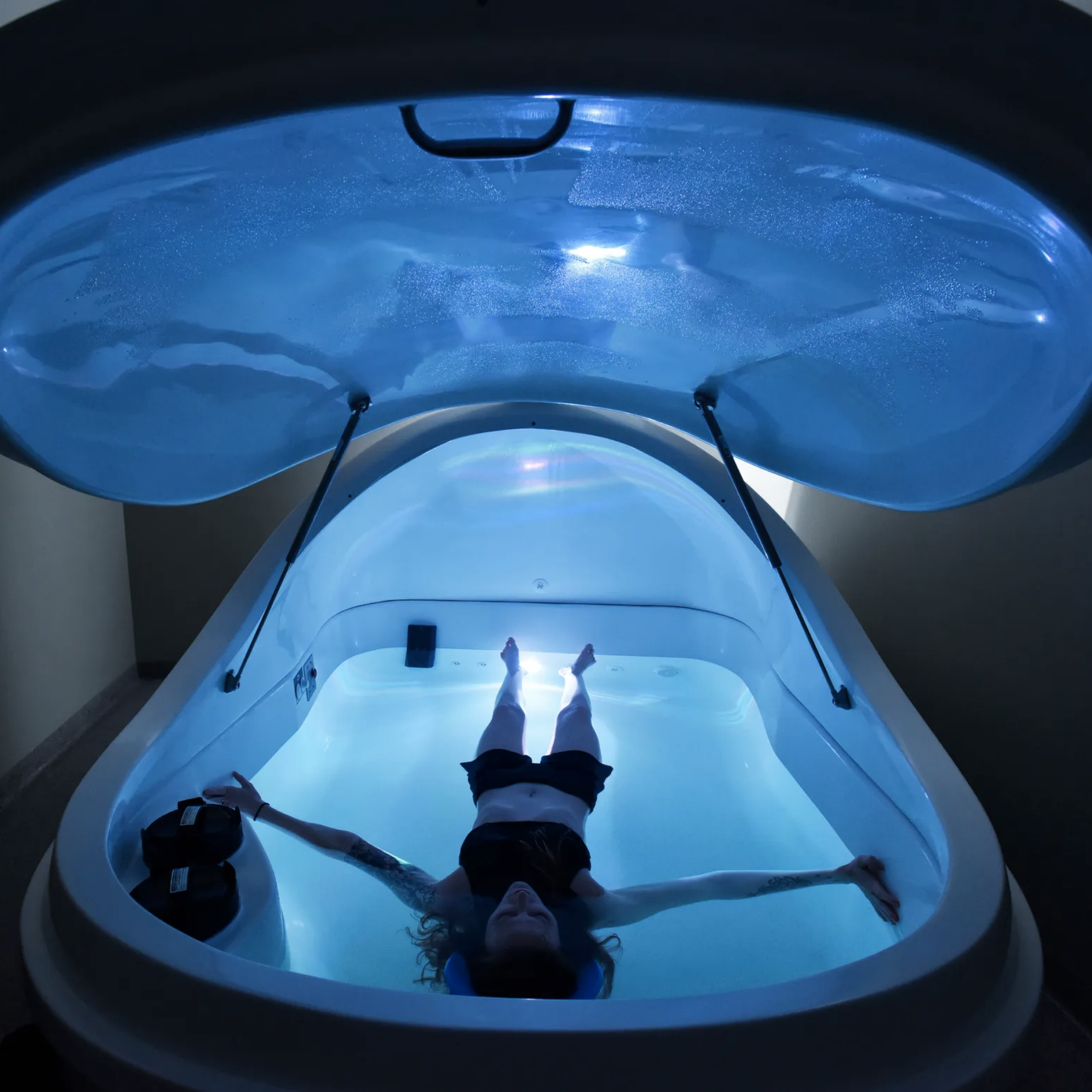
Floatation, also known as sensory deprivation or isolation tank therapy, involves immersing the body in a tank or pod filled with warm water and a high concentration of Epsom salt. This solution allows the individual to float effortlessly, creating a sensation of weightlessness and sensory isolation. The tank or pod is designed to minimise external sensory input, providing a tranquil and meditative environment.
Recommended For
Floatation therapy is recommended for various individuals and conditions, including:
• Stress reduction and relaxation
• Pain management, including chronic pain conditions
• Anxiety and mood disorders
• Athletes for recovery and performance enhancement
• Creative thinking and problem-solving
• Improved sleep quality
• Enhanced meditation and mindfulness practices
Benefits
The benefits of floatation therapy may include:
• Deep relaxation and stress relief
• Pain reduction and muscle relaxation
• Enhanced mental clarity and focus
• Improved sleep patterns
• Decreased symptoms of anxiety and depression
• Enhanced creativity and problem-solving
• Enhanced recovery after physical exertion
Contraindications
Floatation therapy is generally safe, but there are some contraindications, such as:
• Open wounds or skin conditions
• Contagious diseases or infections
• Epilepsy or a history of seizures (consult with a healthcare provider)
• Severe claustrophobia (may vary by individual)
How it works
Floatation therapy works by providing an environment of sensory isolation, where external stimuli are minimised. The Epsom salt solution makes the body buoyant, allowing the individual to float effortlessly. The absence of sensory input can lead to deep relaxation and a meditative state, promoting physical and mental well-being.
Supporting Evidence
There is scientific evidence supporting the benefits of floatation therapy, particularly for stress reduction, pain management, and relaxation. Research on its effects on mental health and creativity is ongoing, and some studies have shown promising results.
Origin & History
Floatation therapy was developed in the 1950s by neuroscientist John C. Lilly as a method to study consciousness and sensory deprivation. Over time, it gained popularity as a therapeutic practice and relaxation technique.
Proprietary or generic?
: Floatation therapy is a generic term for the practice and is not typically associated with a specific proprietary method or brand. Various floatation centres and spas offer their unique interpretations and experiences, but the therapy itself is not proprietary.
For Wellness Business
Staffing
Floatation centres are typically staffed by trained attendants or float therapists who ensure the safety and comfort of clients during their sessions. They may have training in floatation therapy and first aid.
Training
Training for floatation therapy attendants or therapists may vary by facility but often includes instruction on equipment operation, client interaction, and safety procedures.
Products & Equipment
Floatation tanks or pods are specialised equipment designed for this therapy. They contain a buoyant Epsom salt solution, a filtration system, and lighting and ventilation controls. The water temperature and salt concentration are carefully regulated to create the optimal floating experience.
Facilities
Floatation centres or spas provide dedicated facilities with floatation tanks or pods. These facilities are designed to create a serene and sensory-deprivation environment, featuring soundproofing, temperature control, and cleanliness.