Flower Remedies
Description
Flower Remedies, also known as flower essences, are a form of alternative or complementary therapy that uses the vibrational energy of flowers to promote emotional and mental well-being. These remedies are typically prepared by infusing fresh flowers in water, capturing their energy, and preserving it with alcohol or another preservative. The resulting solution is believed to have the ability to address emotional and psychological imbalances.
Recommended For
Flower Remedies are recommended for individuals dealing with various emotional and mental health conditions, including:
• Stress and anxiety
• Depression and mood disorders
• Trauma and emotional wounds
• Lack of confidence and self-esteem
• Relationship issues
• Grief and loss
• Negative thought patterns and habits
• Difficulty adapting to life changes
Benefits
The benefits of Flower Remedies may include:
• Emotional balance and stability
• Increased self-awareness and personal growth
• Improved mood and mental clarity
• Enhanced emotional resilience
• Support for coping with life's challenges
• Holistic well-being and a sense of harmony
Contraindications
Flower Remedies are generally considered safe and have no known contraindications or adverse effects. They are safe to use alongside conventional treatments. However, individuals with alcohol sensitivities can seek alcohol-free versions of flower essences.
How it works
Flower Remedies work on the principle that the energetic qualities of flowers can positively influence the human psyche and emotions. Practitioners believe that when a person takes a specific flower essence, it can help balance and harmonise their emotional state, promoting inner peace and well-being.
Supporting Evidence
The efficacy of Flower Remedies is a subject of debate. While some users report positive effects and benefits, the scientific evidence supporting their effectiveness is limited. Critics argue that any perceived benefits may result from the placebo effect or a heightened sense of self-awareness.
Origin & History
Flower Remedies were developed by Dr. Edward Bach, a British physician, in the early 20th century. He believed that emotional imbalances and negative emotions were at the root of many physical illnesses and that flowers could be used to address these issues.
Proprietary or generic?
Flower Remedies are a generic term for this type of therapy, and they are not proprietary or trademarked. Various brands and practitioners offer their own formulations of flower essences, but the practice itself is not tied to a specific person or brand.
For Wellness Business
Staffing
Practitioners who use Flower Remedies are typically individuals with training in alternative or complementary therapies, such as herbalists, naturopaths, or holistic health practitioners. They may also include psychologists or counsellors who integrate flower essences into their therapeutic practices.
Training
Training in Flower Remedies is available through courses, workshops, and certification programs offered by various organisations and schools specialising in holistic and alternative therapies.
Products & Equipment
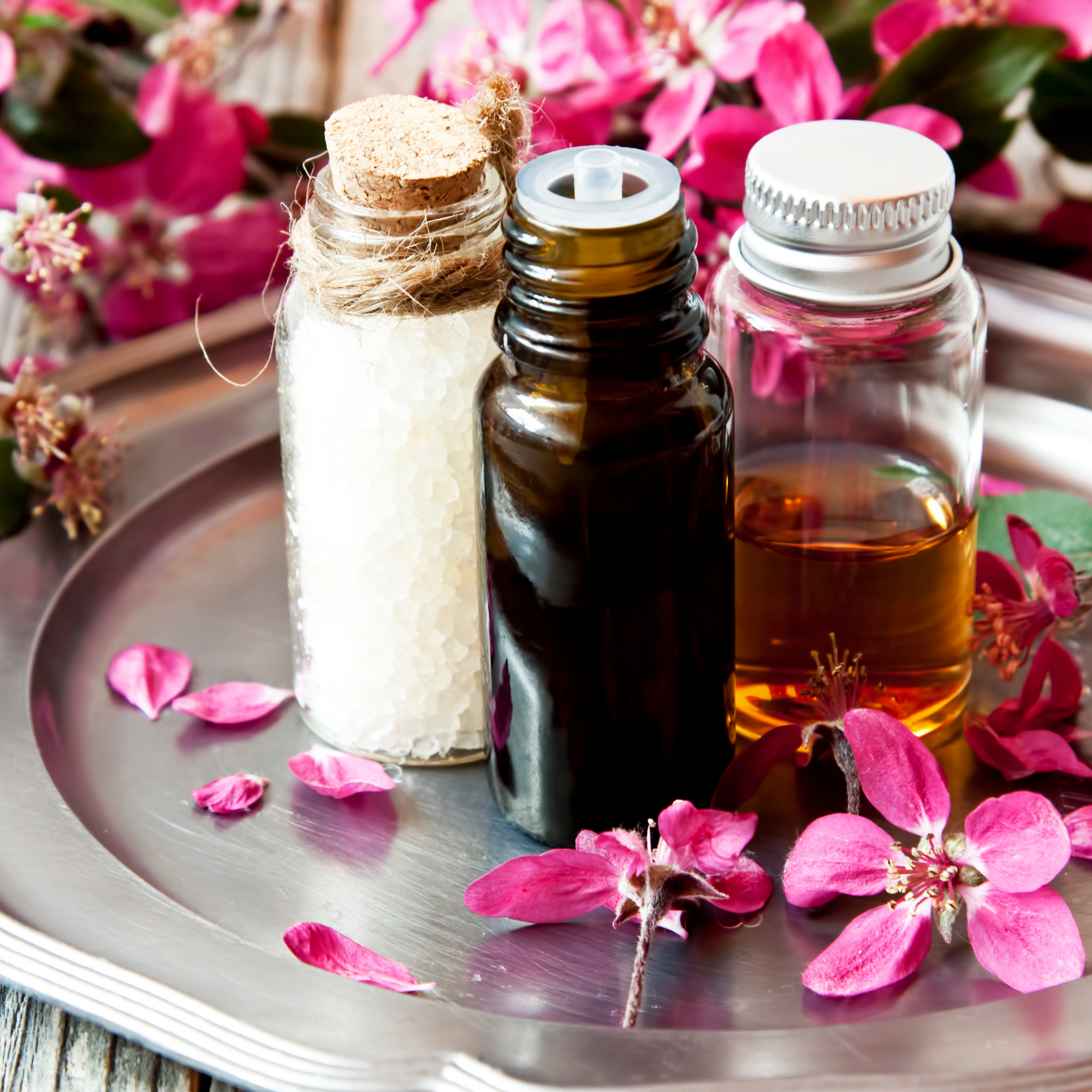
Flower Remedies are available as liquid tinctures, typically preserved in alcohol or glycerine. They do not require special equipment, but they should be stored in a cool, dark place.
Facilities
There are no specific facility requirements for offering Flower Remedies. Practitioners can administer them in an office setting or as part of holistic health practices.