Hay Baths
Description
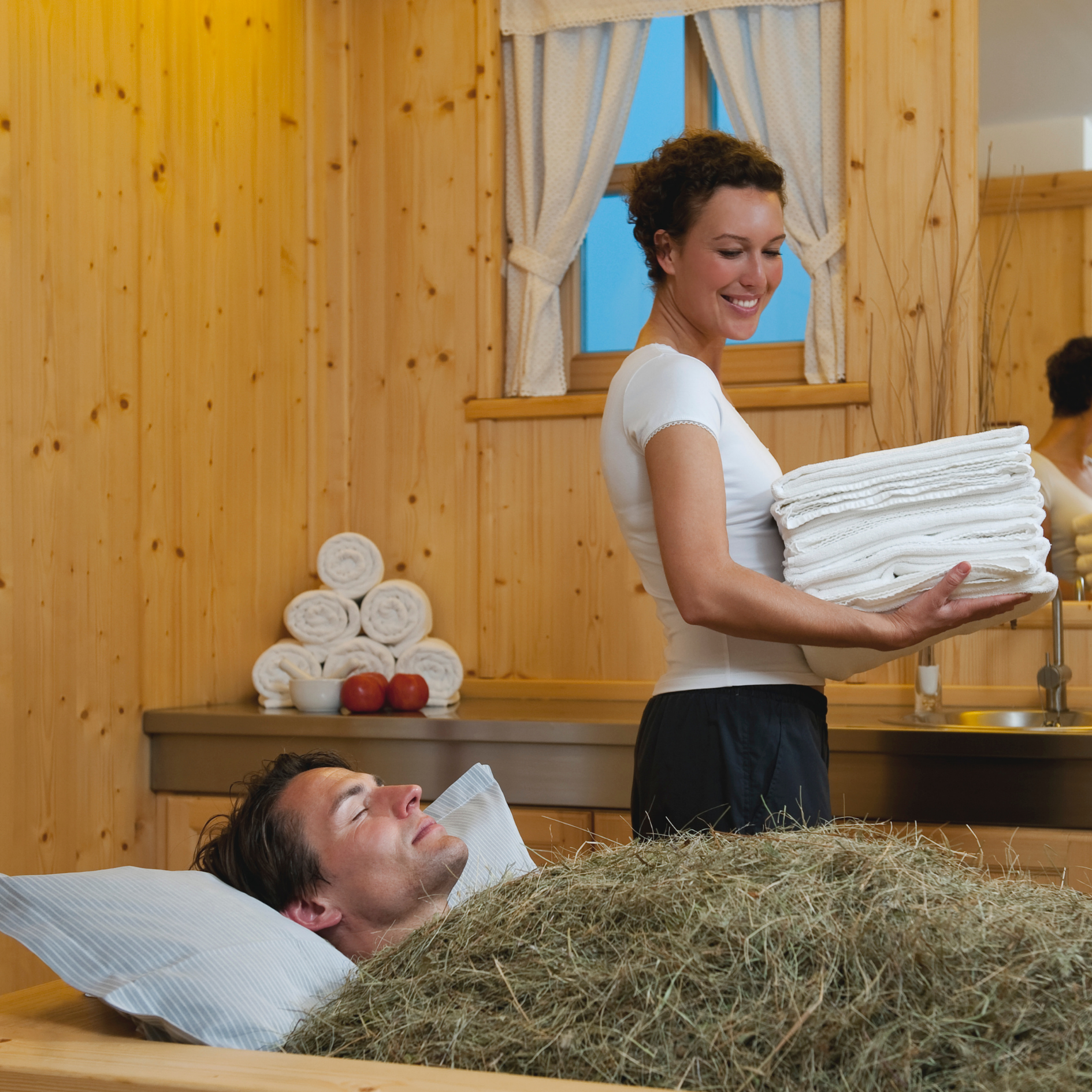
Hay baths involve the use of hay or straw, often mixed with hot water or herbs, to create a warm, moist environment in which a person can relax. The person is either immersed in a pile of hay or wrapped in hay bundles to induce sweating and promote relaxation.
Recommended For
Hay baths are recommended for individuals seeking relaxation, detoxification, relief from muscle tension, and improved circulation. They are often used as a complementary therapy for various health conditions, including rheumatism and arthritis.
Benefits
• Relaxation and stress reduction.
• Improved circulation and potential relief from muscle aches and pains.
• Detoxification through sweating.
• Enhanced skin health and rejuvenation.
Contraindications
• Hay baths may not be suitable for individuals with certain medical conditions, including allergies to hay or straw.
• People with severe cardiovascular issues or respiratory problems should avoid hay baths due to the potential for increased body heat.
How it works
Hay baths work by creating a warm and moist environment around the body. This induces sweating, which is believed to help the body eliminate toxins and promote relaxation. The therapeutic properties of the herbs or additives, if used, can also contribute to the treatment's effects.
Supporting Evidence
Scientific research on the specific benefits of hay baths is limited. The therapy is primarily based on traditional practices and anecdotal evidence.
Origin & History
Hay baths have a long history in various cultures, including Europe and Asia. They were used traditionally for their therapeutic properties, and variations of this practice can still be found in some spa and wellness settings today.
Proprietary or generic?
Hay baths are not typically proprietary and are considered a traditional therapy. However, variations of the practice may be offered by specific spa or wellness centres with their unique branding or approaches.
For Wellness Business
Staffing
The qualifications required to offer hay baths may vary depending on local regulations and the context in which they are provided. In some cases, certified spa therapists or holistic practitioners may administer hay baths.
Training
Training in hay bath techniques may not be widely available, and it is not a common practice in modern therapeutic settings. However, individuals interested in providing hay baths should seek guidance and training from experienced practitioners if available.
Products & Equipment
The primary equipment for hay baths includes hay or straw, warm water, and potentially herbs or additives. Facilities should have suitable areas for administering the treatment, such as specialised bath areas.
Facilities
Specialised facilities for hay baths may include comfortable bathing areas with temperature-controlled environments. The treatment area should be clean and provide privacy for the client.