
Herbal Medicine
Description
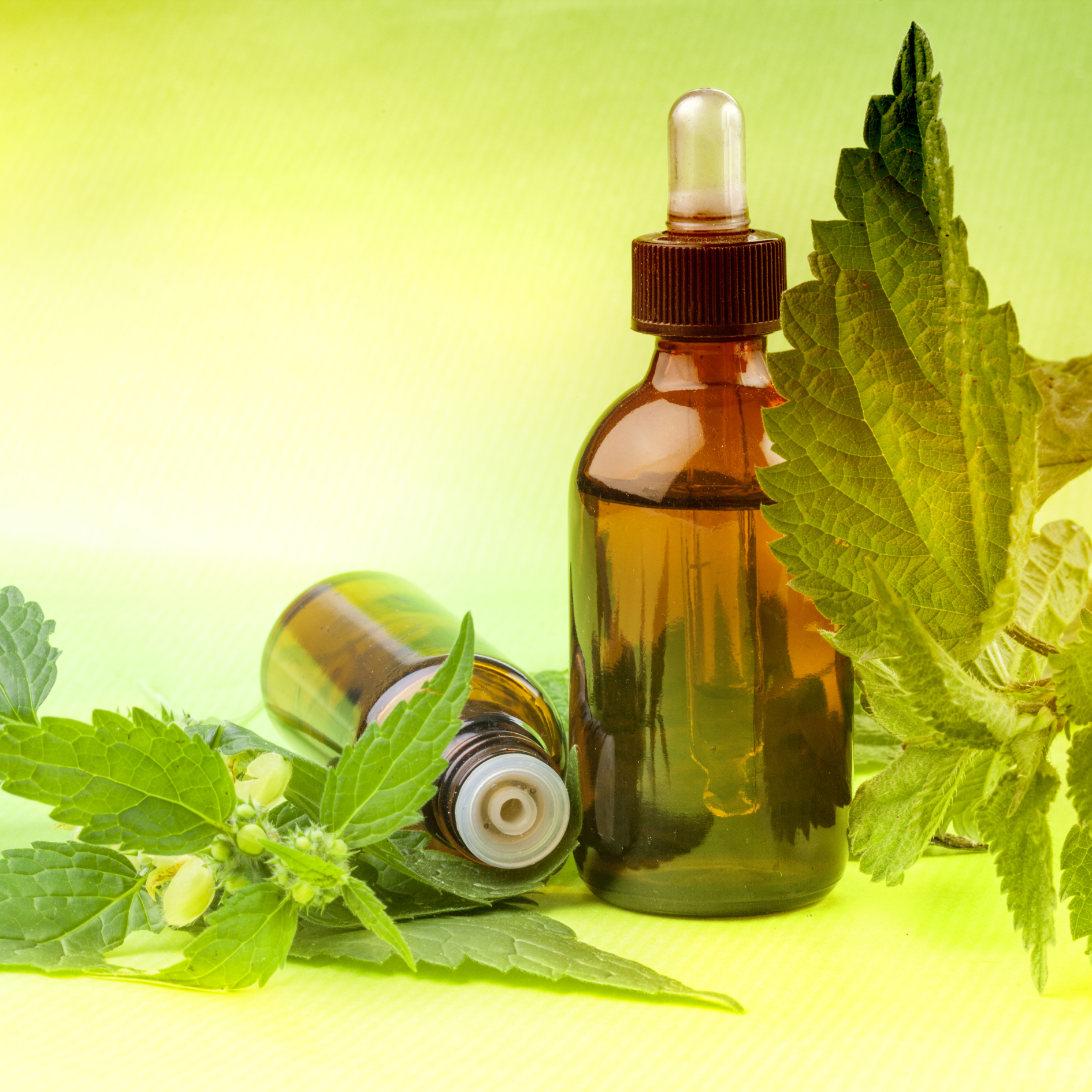
Herbal Medicine, also known as phytotherapy or botanical medicine, is a holistic healing approach that uses plants and plant-derived substances to prevent, treat, and manage various health conditions. It encompasses the use of herbs, roots, leaves, flowers, and other plant parts for therapeutic purposes.
Recommended For
Herbal Medicine can be recommended for a wide range of clients and health conditions, including:
• General health and well-being.
• Common ailments like colds, digestive issues, and headaches.
• Chronic conditions such as arthritis, anxiety, and high blood pressure.
• Complementary support for cancer treatment and chronic illnesses.
Benefits
• Natural and holistic approach to health.
• Reduced risk of side effects compared to synthetic medications.
• Support for the body's self-healing mechanisms.
• Personalised treatment plans based on individual needs.
• Potential relief from a wide range of health issues.
Contraindications
• Herbal Medicine may not be suitable for individuals with specific allergies or sensitivities to certain herbs or plants.
• Some herbs may interact with medications, so consultation with a healthcare provider is essential, especially for those on prescription drugs.
How it works
Herbal Medicine works by harnessing the healing properties of plants. Different herbs contain bioactive compounds that can have specific effects on the body, such as reducing inflammation, supporting the immune system, or balancing hormones. Herbalists and practitioners select and prepare herbs based on their knowledge of the plant's properties and the client's specific needs.
Supporting Evidence
There is a substantial body of scientific research supporting the efficacy of certain herbs for various health conditions. However, the evidence can vary widely depending on the herb and condition. Traditional knowledge and empirical evidence also play a significant role in herbal medicine.
Origin & History
Herbal Medicine has ancient roots and is practised in various forms in cultures worldwide. It has evolved over thousands of years, with contributions from traditional healing systems such as Ayurveda, Traditional Chinese Medicine (TCM), and Native American herbalism.
Proprietary or generic?
Herbal Medicine is a generic term and not proprietary or trademarked. It encompasses a wide range of practices and approaches to using plants for healing, and there are no specific proprietary brands or individuals associated with the therapy as a whole. Specific herbal products may be proprietary, but the practice of herbal medicine itself is not.
For Wellness Business
Staffing
Herbal Medicine practitioners may have various titles, including herbalist, naturopathic doctor, or traditional herbal medicine practitioner. Qualifications can vary, but formal education and certification in herbal medicine are common in many countries.
Training
Training in Herbal Medicine can be obtained through accredited herbal medicine schools, naturopathic colleges, or traditional healing programs. Herbalists often pursue specific certifications or degrees in herbal medicine.
Products & Equipment
Herbal Medicine typically involves the use of herbs and herbal preparations, including tinctures, teas, capsules, and topical creams. Equipment may include mortar and pestle, scales, and herb storage containers.
Facilities
Herbal Medicine practitioners may work in private clinics, wellness centres, or integrative healthcare settings. Facilities should provide a clean and organised space for consultations and herbal preparations.