Hydrotherapy
Description
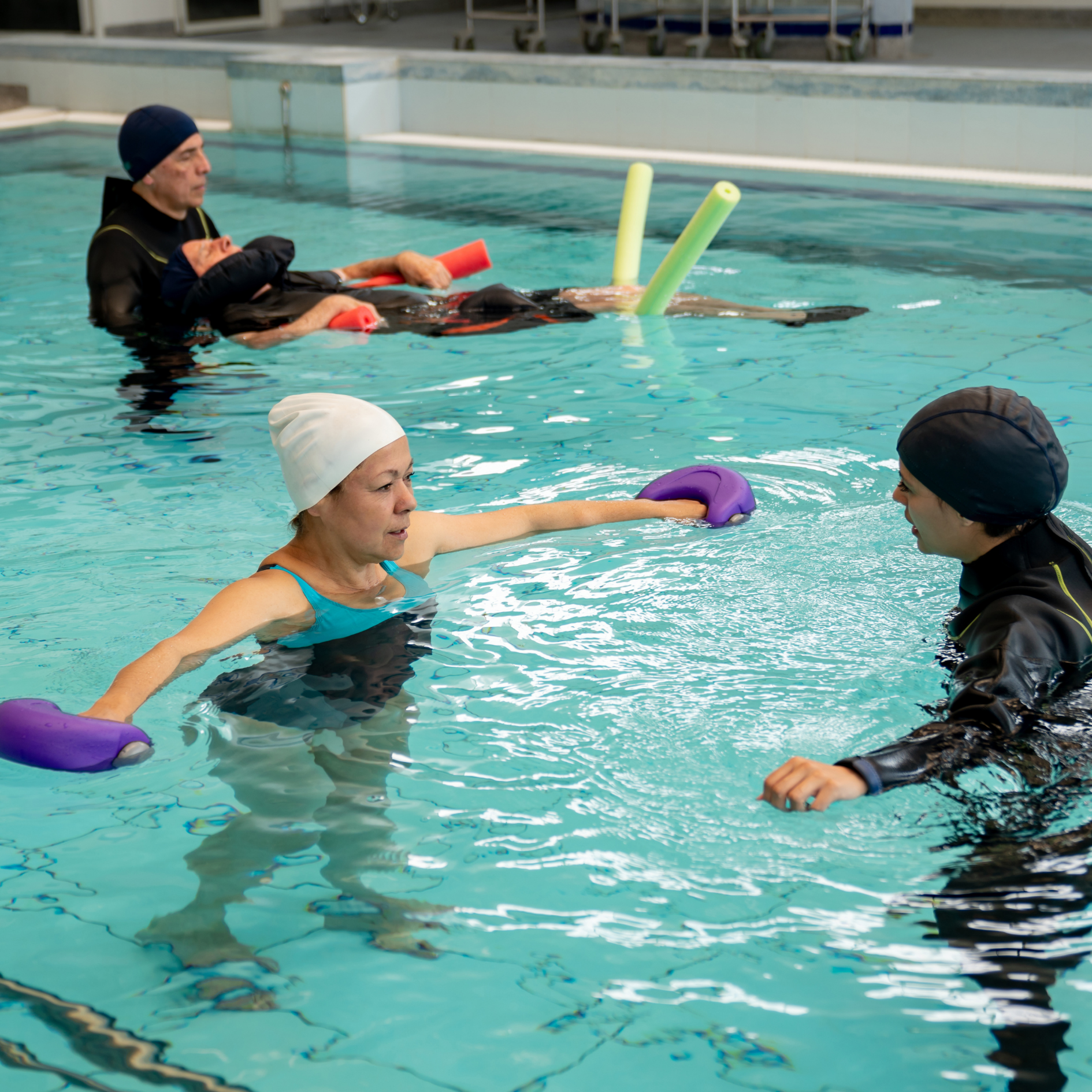
Hydrotherapy is a therapeutic approach that uses water in various forms, temperatures, and pressures to promote physical and mental well-being. It includes treatments such as hot baths, cold baths, steam baths, whirlpool baths, and aquatic exercise. Hydrotherapy can be used for relaxation, pain relief, rehabilitation, and other health-related purposes.
Recommended For
Hydrotherapy is recommended for a wide range of clients and health conditions, including:
• Individuals with muscle and joint pain or stiffness.
• Those recovering from sports injuries or surgeries.
• People seeking stress reduction and relaxation.
• Patients with certain chronic conditions, such as arthritis.
Benefits
• Pain relief and muscle relaxation.
• Improved circulation and blood flow.
• Reduced inflammation and swelling.
• Enhanced range of motion and joint mobility.
• Stress reduction and improved mental well-being.
Contraindications
• Hydrotherapy may not be suitable for individuals with certain medical conditions, including heart conditions, high blood pressure, infections, open wounds, or skin conditions.
• Consultation with a healthcare provider is recommended before starting hydrotherapy, especially if you have specific health concerns.
How it works
Hydrotherapy works through the application of water in various forms and temperatures to stimulate the body's natural healing responses. Hot water can relax muscles and increase blood flow, while cold water can reduce inflammation and stimulate circulation. Aquatic exercise in water provides resistance and support for physical rehabilitation.
Supporting Evidence
Hydrotherapy has been used for centuries and is supported by anecdotal evidence and clinical studies for various health benefits. However, more research is needed to establish its effectiveness for specific conditions and therapeutic goals.
Origin & History
Hydrotherapy has ancient roots, with historical records of water-based therapies dating back to ancient civilisations like the Greeks and Romans. Modern hydrotherapy practices have evolved from these historical traditions.
Proprietary or generic?
Hydrotherapy is a generic therapy and not proprietary or trademarked. It encompasses a wide range of water-based treatments and techniques practised by healthcare providers and wellness centres worldwide.
For Wellness Business
Staffing
Hydrotherapy can be administered by various healthcare professionals, including physical therapists, occupational therapists, and hydrotherapists. The qualifications required depend on the specific type of hydrotherapy and the therapist's role.
Training
Training in hydrotherapy is typically included in the education and certification of physical therapists, occupational therapists, and other healthcare providers. Specialised hydrotherapy courses and workshops are available through accredited programs.
Products & Equipment
The equipment used in hydrotherapy includes baths, pools, saunas, hot tubs, and various water-based tools and devices. Specialised equipment may be required for specific forms of hydrotherapy.
Facilities
Hydrotherapy facilities can vary widely, from simple home baths to complex aquatic rehabilitation centres. Specific facilities may require temperature control systems, therapy pools, and safety features for aquatic exercise.