
Hyperpigmentation
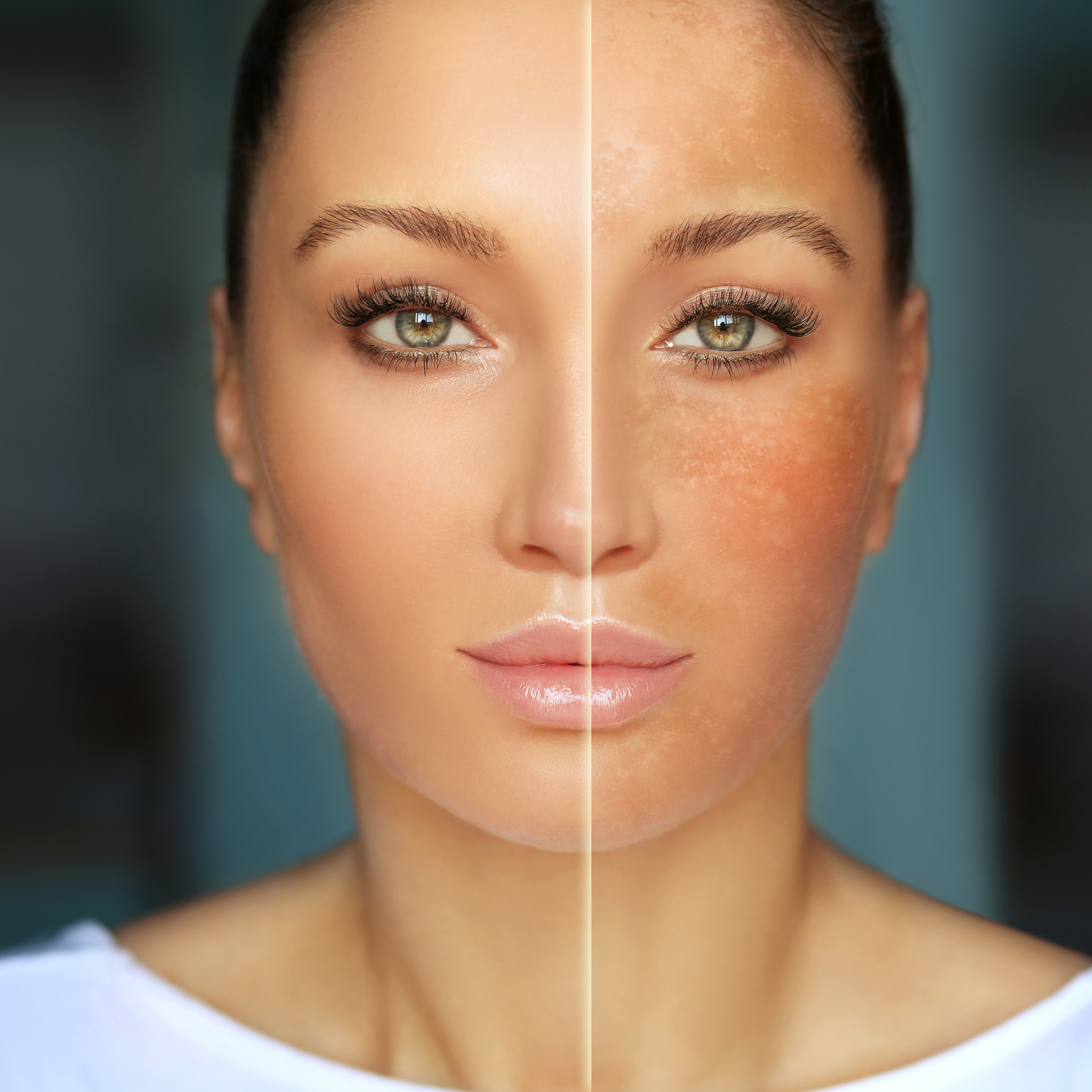
Description
Hyperpigmentation refers to the darkening or discoloration of certain areas of the skin, resulting in patches or spots that appear darker than the surrounding skin. It can occur due to various factors, including sun exposure, hormonal changes, inflammation, and skin injuries.
Recommended For
Hyperpigmentation treatments are recommended for clients who are bothered by the appearance of dark spots on their skin. It is commonly sought after by individuals with conditions such as:
• Melasma (hormonally induced hyperpigmentation).
• Post-inflammatory hyperpigmentation (PIH) from acne or skin injuries.
• Sunspots or age spots (solar lentigines).
• Freckles.
• Uneven skin tone.
Benefits
• Reduction or lightening of dark spots.
• Improvement in overall skin tone and complexion.
• Enhanced skin texture and smoothness.
• Increased self-confidence and satisfaction with one's appearance.
Contraindications
• Some hyperpigmentation treatments may not be suitable for individuals with certain skin conditions, active infections, or allergies to specific treatment ingredients.
• Consultation with a dermatologist or skincare professional is recommended to determine the most appropriate treatment plan.
How it works
Hyperpigmentation treatments work by targeting the excess melanin in the affected areas of the skin. Various treatment options include topical creams, chemical peels, laser therapy, and microdermabrasion, each with its own mechanism of action.
Supporting Evidence
Many hyperpigmentation treatments have been studied and shown to be effective in reducing the appearance of dark spots. However, results may vary depending on the specific treatment method and the individual's skin type and condition.
Origin & History
Hyperpigmentation has been a concern for individuals throughout history. Traditional remedies for skin discoloration have been used in different cultures for centuries. Modern treatments have evolved with advances in dermatology and skincare science.
Proprietary or generic?
Hyperpigmentation treatments are not proprietary and are offered by various skincare professionals, dermatologists, and skincare clinics. Different brands may have their own products, but the concept of treating hyperpigmentation is generic and widely practised within the skincare industry.
For Wellness Business
Staffing
The qualifications required to provide hyperpigmentation treatments vary depending on the method used. Dermatologists, aestheticians, and skincare professionals with specialised training can administer these treatments.
Training
Training for hyperpigmentation treatments is typically offered by dermatology and skincare schools, as well as through specialised training programs. Professionals seeking to offer these services should seek accredited training.
Products & Equipment
Hyperpigmentation treatments may involve the use of various skincare products, including topical creams, serums, and chemical peels. Laser therapy and microdermabrasion may require specialised equipment and devices.
Facilities
Facilities offering hyperpigmentation treatments should have appropriate treatment rooms with proper sanitation and safety measures in place. Some treatments, like laser therapy, may require specific safety precautions and equipment.