Irrigation
Description
Irrigation is a medical procedure that involves the introduction of a liquid solution into a body cavity, tissue, or wound for the purpose of cleansing, flushing, or removing debris, contaminants, or foreign objects. The liquid solution used can vary and may include sterile water, saline solution, antiseptic solutions, or specialised irrigants depending on the specific application.
Recommended For
Irrigation is recommended for a wide range of medical and healthcare purposes, including:
• Wound cleaning and debridement.
• Earwax removal (ear irrigation).
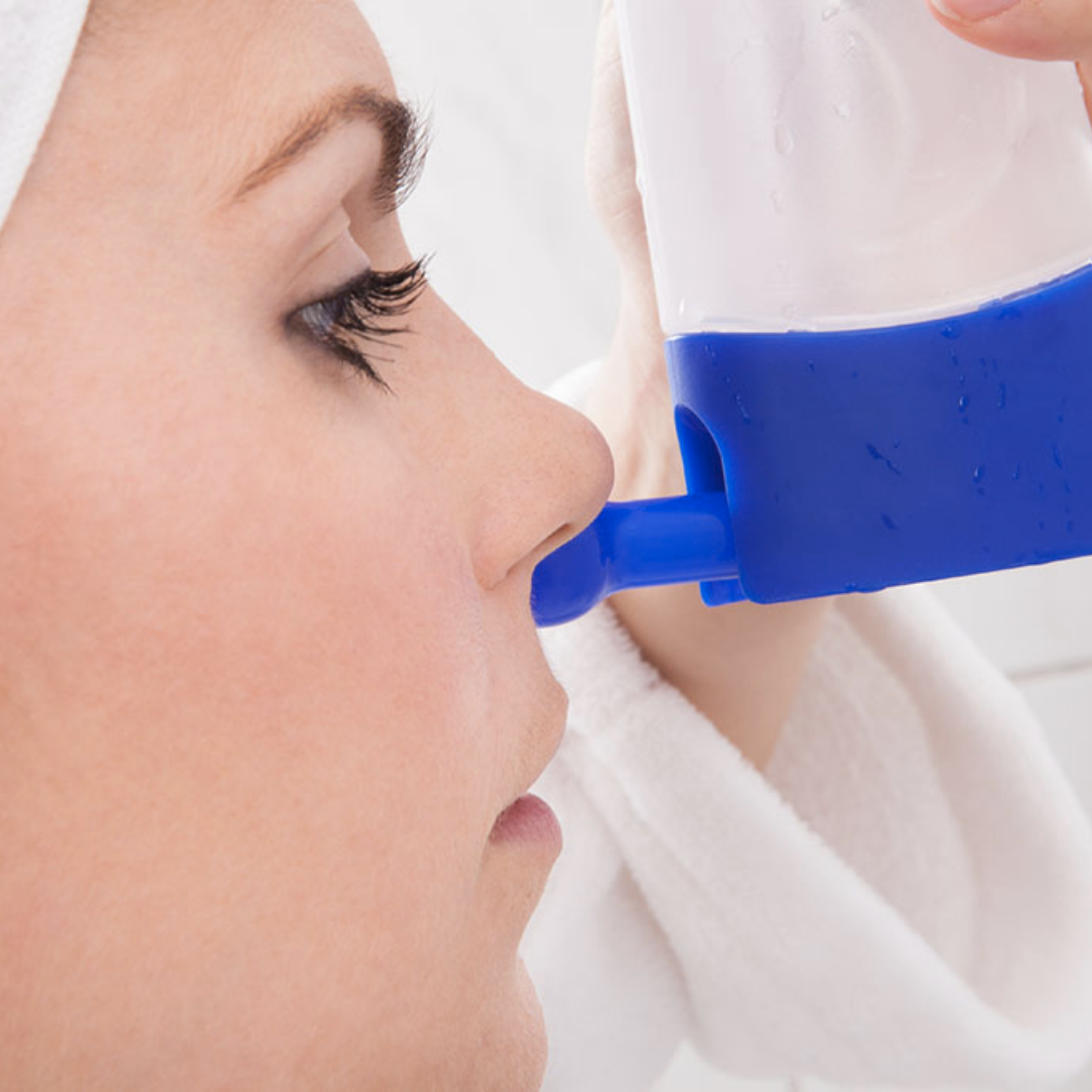
• Nasal irrigation for congestion relief (nasal saline irrigation).
• Surgical site cleaning and preparation.
• Bladder irrigation for urinary tract issues.
• Eye irrigation for eye injuries or irritations.
• Dental irrigation for gum and oral health.
Benefits
• Removal of debris, contaminants, or foreign objects from body cavities or wounds.
• Cleansing and preparation of surgical sites.
• Relief from nasal congestion and earwax build-up.
• Treatment or prevention of infection.
• Maintenance of oral and dental health.
Contraindications
• Contraindications for irrigation can vary depending on the specific procedure and the patient's medical condition.
• Inappropriate or excessive irrigation may lead to complications, such as infection or damage to delicate tissues.
• The use of specific solutions and techniques should be tailored to the individual patient and the intended purpose.
How it works
Irrigation typically involves the use of a syringe, irrigation pump, or specialised device to deliver the liquid solution to the target area. The solution is introduced with controlled pressure, and the resulting flow helps dislodge and remove debris or contaminants.
Supporting Evidence
Irrigation is a well-established medical procedure supported by clinical guidelines and best practices in various healthcare settings. Its effectiveness in specific applications is well-documented.
Origin & History
The practice of irrigation has ancient origins and has been used for centuries to clean wounds, treat medical conditions, and maintain hygiene. Modern medical irrigation techniques have evolved through advancements in medical science and technology.
Proprietary or generic?
Irrigation itself is a generic medical procedure that is not proprietary or trademarked. However, specific irrigation solutions or devices may be produced by different manufacturers and may have proprietary names or brands.
For Wellness Business
Staffing
The qualifications required to perform irrigation procedures vary depending on the specific application. Healthcare professionals such as nurses, physicians, dentists, and audiologists are typically trained to perform irrigation procedures as part of their professional education.
Training
Training in irrigation techniques is typically included in the education and training programs of healthcare professionals. Continuing education courses and specialised training may also be available for specific irrigation procedures.
Products & Equipment
Irrigation equipment can vary widely depending on the application. It includes syringes, irrigation pumps, catheters, nasal irrigation pots, and specialised devices designed for specific procedures.
Facilities
Irrigation can be performed in various healthcare settings, including hospitals, clinics, dental offices, and audiologist's offices. The facility should have appropriate equipment and supplies for the specific irrigation procedure.