Laser Hair Removal
Description
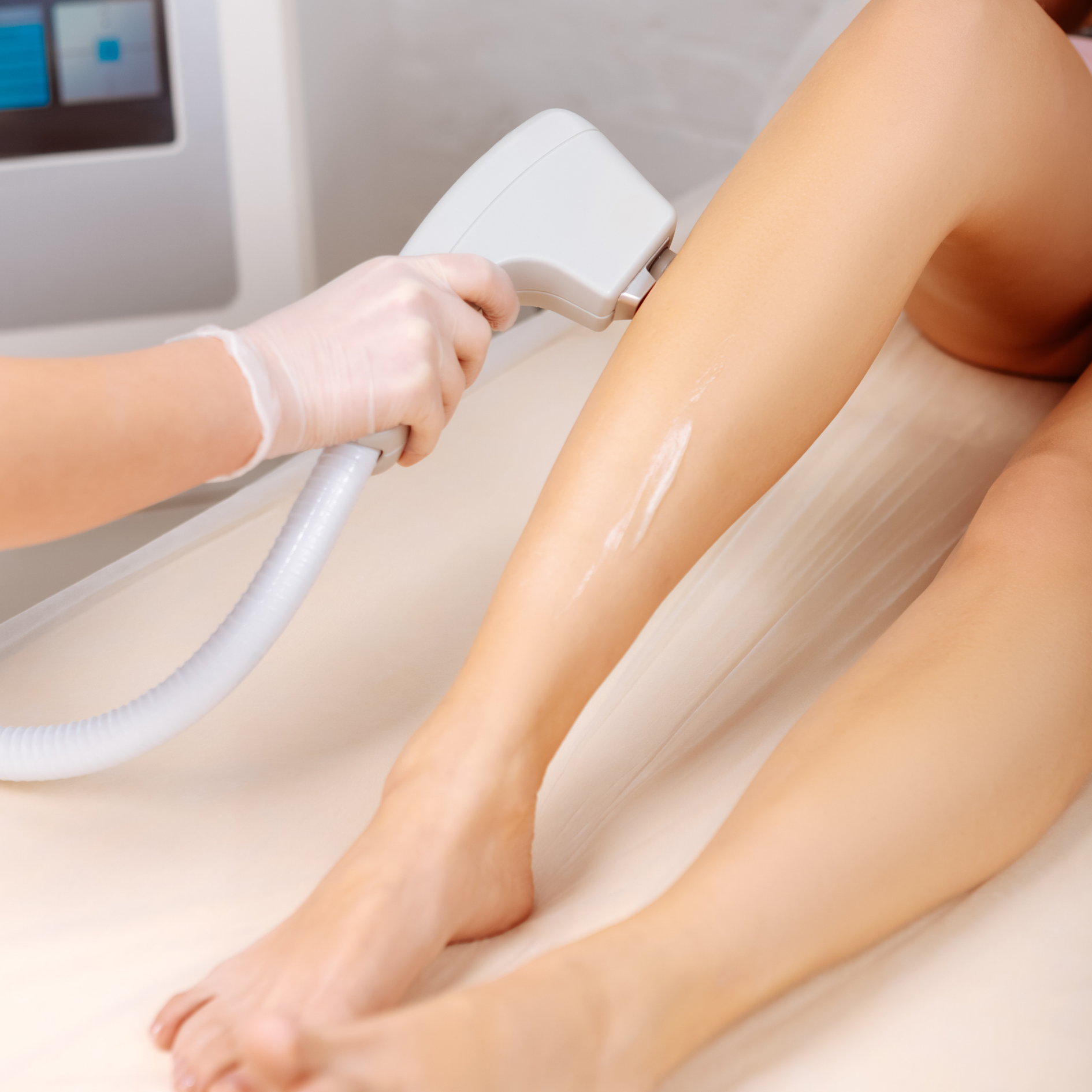
Laser hair removal is a cosmetic procedure that uses concentrated laser light to target and destroy hair follicles, inhibiting hair growth in the treated area. It is a popular method for achieving long-term hair reduction and can be used on various parts of the body.
Recommended For
Laser hair removal is recommended for individuals seeking a more permanent solution to unwanted hair growth. It is suitable for a wide range of clients, including those looking to remove or reduce hair on the face, legs, underarms, bikini line, and other areas. People with different skin types and hair colours can undergo this treatment.
Benefits
• Long-term reduction or removal of unwanted hair
• Precision in targeting specific areas
• Reduced risk of ingrown hairs
• Smoother skin
• Time and cost savings compared to regular shaving or waxing
• Improved self-confidence
Contraindications
While laser hair removal is generally safe, there are contraindications and precautions to consider. It may not be suitable for individuals with:
• Dark skin tones (certain lasers may pose risks of pigmentation changes)
• Skin infections or open wounds in the treatment area
• Recent sun exposure or tanning
• Specific medical conditions or medications that affect skin sensitivity
• Pregnancy (especially in the abdominal and pelvic areas)
How it works
Laser hair removal works by directing a concentrated beam of laser light at the hair follicles. The pigment (melanin) in the hair follicles absorbs the light, which is converted into heat. The heat damages the follicle, inhibiting future hair growth while leaving the surrounding skin unharmed. Multiple sessions are typically needed for complete hair reduction because hair grows in different cycles.
Supporting Evidence
Laser hair removal is a well-established and widely practised cosmetic procedure with a history of successful outcomes. Numerous studies and clinical trials support its safety and effectiveness. However, individual results may vary, and maintenance sessions may be needed to ensure long-term hair reduction.
Origin & History
Laser hair removal was first introduced in the 1990s and has since become a popular cosmetic treatment. It has evolved with advancements in laser technology, offering greater precision and safety.
Proprietary or generic?
The term "laser hair removal" is not proprietary or trademarked. However, various laser systems and brands may have proprietary technology or trademarks associated with their specific devices. The overall concept of using laser technology for hair removal is a widely practised and generic treatment method.
For Wellness Business
Staffing
Laser hair removal is typically performed by licensed healthcare professionals, such as dermatologists, plastic surgeons, or trained technicians. These practitioners should have the necessary qualifications and training in laser hair removal procedures.
Training
Training in laser hair removal is available through accredited training programs and institutions. Those seeking to become laser hair removal practitioners can enrol in courses covering safety protocols, laser operation, and client consultation.
Products & Equipment
Laser hair removal requires specialised laser devices designed for this purpose. The choice of laser technology may vary based on the specific treatment area and skin type. Safety equipment, such as eye protection for clients and practitioners, is essential during treatment.
Facilities
Facilities offering laser hair removal should provide a clean and sterile environment. Proper ventilation, laser safety measures, and adherence to infection control protocols are crucial. Some states or countries may have specific regulations regarding the facilities where laser procedures can be performed.