LED (Light Emitting Diode)
Description
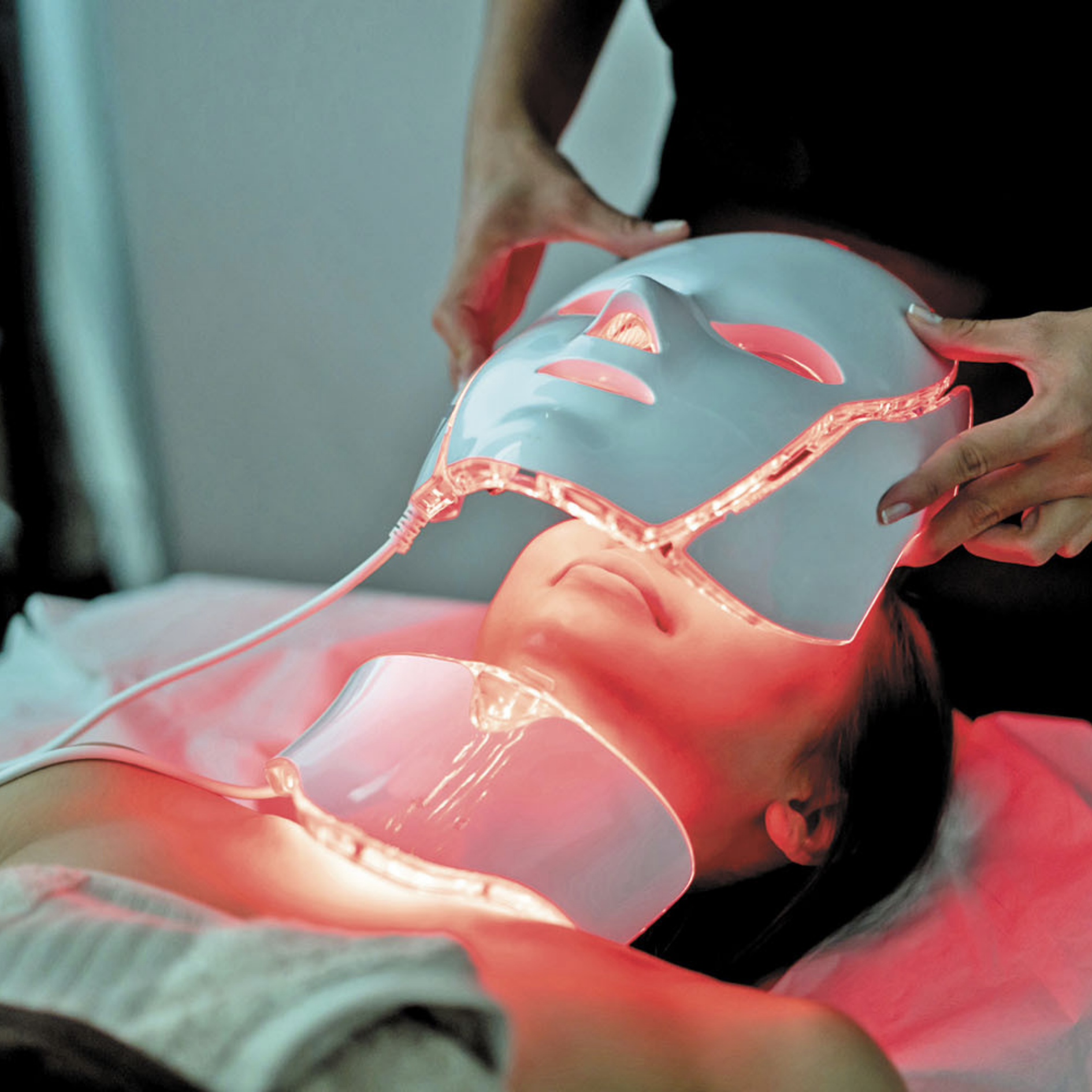
LED therapy, also known as light therapy or phototherapy, is a non-invasive cosmetic and medical treatment that utilises specific wavelengths of light emitted by LED devices to address various skin and health concerns. LED therapy can target skin conditions, promote tissue healing, and provide a range of health benefits.
Recommended For
LED therapy is recommended for clients with a variety of skin concerns, including acne, signs of ageing (e.g., wrinkles and fine lines), pigmentation issues, and skin inflammation. It is also used in the medical field to promote wound healing and manage certain medical conditions, such as pain and musculoskeletal disorders.
Benefits
• Skin rejuvenation and improved complexion
• Reduction in acne and blemishes
• Minimised wrinkles and fine lines
• Enhanced collagen production
• Alleviation of pain and inflammation
• Accelerated wound healing
• Non-invasive and low-risk treatment option
Contraindications
LED therapy is generally safe, but there are contraindications to consider. It may not be suitable for individuals with certain conditions, such as epilepsy (due to potential flickering lights), photosensitive skin disorders, or those taking medications that increase photosensitivity. Pregnant women and individuals with eye conditions may also require caution.
How it works
LED therapy works by exposing the skin or targeted tissues to specific wavelengths of light emitted by LED devices. Different wavelengths have different effects on the skin and underlying tissues. For example, red and near-infrared light can stimulate collagen production, while blue light can help treat acne by targeting bacteria. The light energy is absorbed by skin cells, which triggers various cellular responses and promotes healing and rejuvenation.
Supporting Evidence
Numerous studies and clinical trials support the effectiveness of LED therapy for various skin conditions and medical applications. The therapy has a well-established track record for promoting tissue healing, reducing pain and inflammation, and improving skin quality. Research continues to explore its broader potential applications.
Origin & History
The use of light for therapeutic purposes has a long history, but modern LED therapy gained prominence in the 20th century with advancements in LED technology. NASA's research on LED therapy for wound healing and tissue regeneration in the 1980s played a significant role in popularising the treatment.
Proprietary or generic?
The term "LED therapy" and the technology itself are not proprietary or trademarked. Numerous manufacturers produce LED therapy devices, and the treatment is widely available under various brand names and models. The overall concept of LED therapy is generic and not unique to a specific person or brand.
For Wellness Business
Staffing
LED therapy can be administered by trained practitioners, aestheticians, dermatologists, or medical professionals, depending on the specific application. Practitioners should have knowledge of LED therapy principles, device operation, and safety protocols.
Training
Training in LED therapy is available through aesthetician and beauty therapy programs, as well as medical and dermatological courses. Programs cover topics such as skin analysis, treatment protocols, and device operation. Training may also be offered by manufacturers of LED devices.
Products & Equipment
LED therapy devices vary in sized, configuration, and wavelength settings. They can range from handheld devices for home use to larger, specialised machines for professional settings. Eye protection is typically required during treatment.
Facilities
LED therapy can be performed in various settings, including beauty salons, medical spas, dermatology clinics, and even at home. Facilities should provide appropriate safety measures, such as eye protection for clients and practitioners.