
Leech Therapy
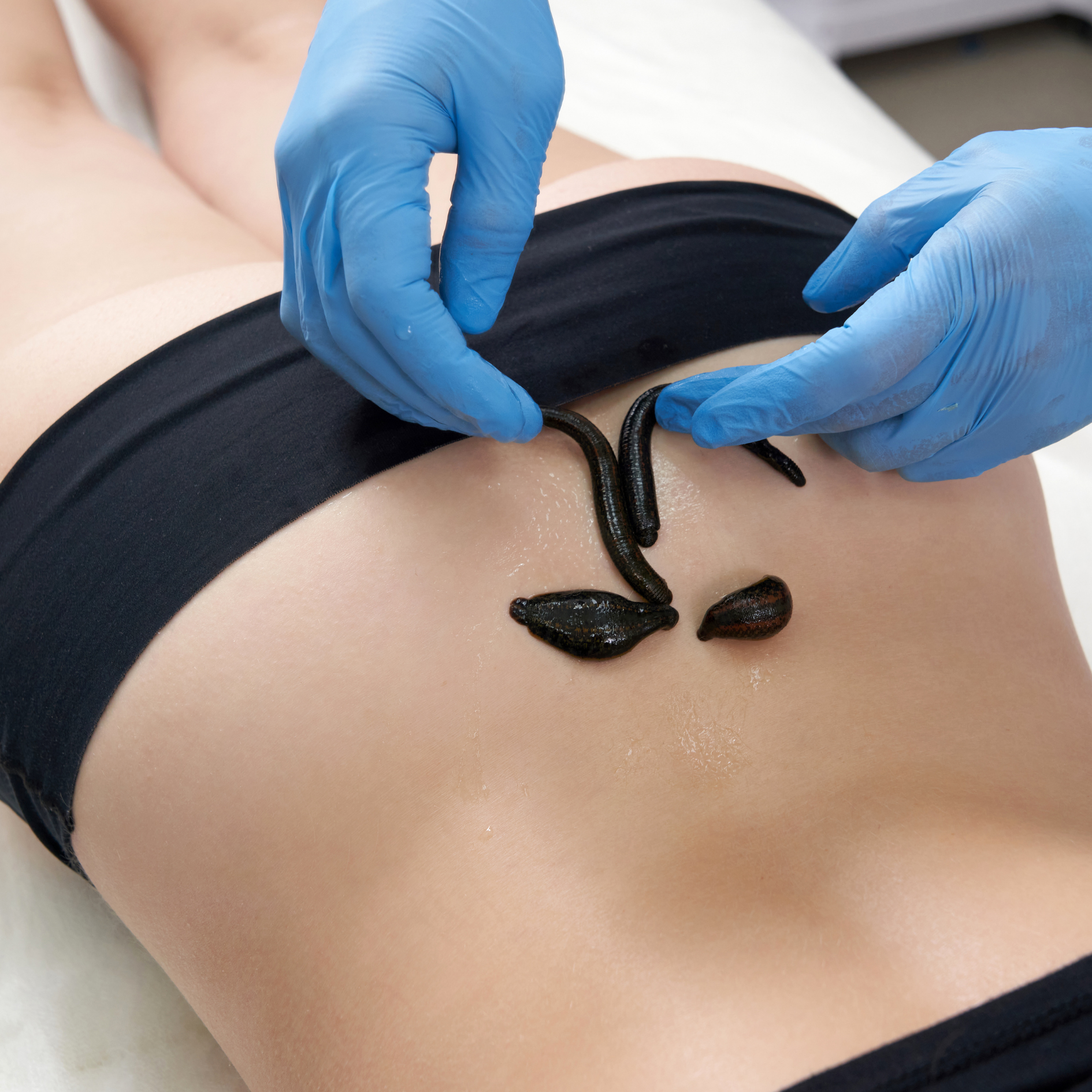
Description
Leech therapy, also known as hirudotherapy, is a traditional and alternative medical practice that involves the application of medicinal leeches (usually species of the genus Hirudo) to a person's skin. The leeches feed on the individual's blood and saliva while releasing natural compounds that are believed to have therapeutic benefits.
Recommended For
Leech therapy has been historically recommended for a variety of health conditions, including:
• Circulatory disorders (e.g., varicose veins)
• Post-surgical wound healing
• Arthritis and joint pain
• Skin conditions (e.g., psoriasis)
• Blood-related disorders (e.g., high blood pressure)
• Detoxification (though its effectiveness for this purpose is debated)
Benefits
• Improved blood circulation
• Potential reduction in pain and inflammation
• Accelerated wound healing
• Possible alleviation of certain skin conditions
• Management of certain blood-related disorders
Contraindications
Leech therapy is not suitable for everyone, and there are contraindications and precautions to consider. It may not be recommended for individuals with bleeding disorders, anaemia, allergies to leech saliva, or certain skin conditions. Pregnant or breastfeeding individuals should avoid leech therapy.
How it works
During leech therapy, medicinal leeches are placed on the skin in the affected area. The leeches attach themselves and begin to feed on the person's blood. While doing so, they release saliva that contains various bioactive substances, including anticoagulants and anti-inflammatory compounds. It is believed that these substances contribute to the therapeutic effects of leech therapy.
Supporting Evidence
The efficacy of leech therapy is a topic of debate within the medical community. While there is some evidence to support its use for specific conditions, such as improving blood circulation and aiding in post-surgical healing, more research is needed to establish its effectiveness for other health concerns. Additionally, the use of leech therapy is associated with risks, including infection and allergic reactions.
Origin & History
Leech therapy has a long history dating back thousands of years, with records of its use in various ancient cultures, including Egyptian, Greek, and Indian civilisations. It reached its peak popularity in Europe during the 18th and 19th centuries. Today, it is practised in some traditional and alternative medicine settings.
Proprietary or generic?
Leech therapy is not proprietary or trademarked. It is a traditional and alternative therapy that has been practised for centuries and is not associated with a specific person or brand. However, different practitioners may have their own variations and approaches to leech therapy.
For Wellness Business
Staffing
Leech therapy is typically administered by trained practitioners, which may include naturopaths, holistic healthcare providers, or traditional healers. These practitioners should have knowledge of leech therapy techniques and safety protocols.
Training
Training in leech therapy can be obtained through courses and workshops offered by alternative medicine schools and practitioners experienced in the field. Prospective practitioners can seek out training programs that cover the safe and ethical use of leeches in therapy.
Products & Equipment
Medicinal leeches are the primary equipment used in leech therapy. These leeches are sourced from reputable suppliers and should be free from diseases or contaminants. Proper sterilisation of equipment and hygiene measures are essential during leech therapy.
Facilities
Leech therapy can be performed in various healthcare settings, including alternative medicine clinics, naturopathic offices, and traditional healing centres. The facilities should adhere to proper hygiene and infection control measures to minimised the risk of complications.