
Light Therapy
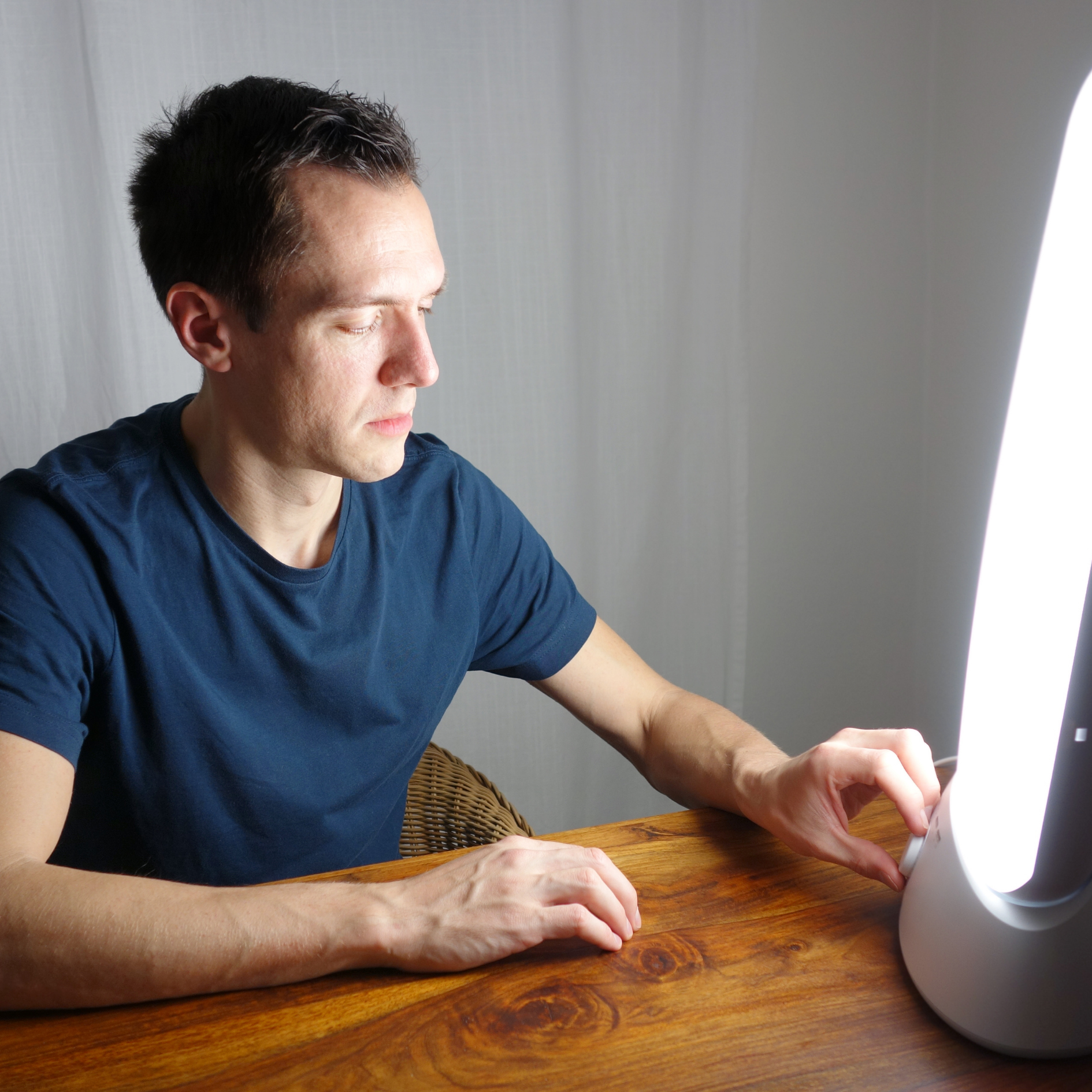
Description
Light therapy, also known as phototherapy, is a medical and therapeutic treatment that involves exposure to specific wavelengths of light to address various health conditions, primarily those related to mood, skin, and circadian rhythm regulation. Light therapy can be administered using specialised light boxes, lamps, or devices emitting specific wavelengths of light.
Recommended For
Light therapy is recommended for a range of clients and health conditions, including:
• Seasonal affective disorder (SAD) and other mood disorders
• Sleep disorders and circadian rhythm disturbances
• Skin conditions like psoriasis, eczema, and vitiligo
• Neonatal jaundice (bilirubin therapy for newborns)
• Shift work sleep disorder
• Jet lag and travel-related fatigue
Benefits
• Improved mood and alleviation of symptoms of depression and SAD
• Regulation of sleep patterns and improvement in sleep disorders
• Reduction of skin-related symptoms and conditions
• Effective treatment for neonatal jaundice
• Management of circadian rhythm-related issues
Contraindications
While light therapy is generally safe, there are contraindications and precautions to consider. It may not be suitable for individuals with certain eye conditions (e.g., retinal conditions) or those taking medications that increase photosensitivity. Individuals with bipolar disorder should use light therapy with caution under medical supervision.
How it works
Light therapy works by exposing individuals to specific wavelengths of light, often in the blue or white spectrum. The light is typically delivered through specialised light boxes, lamps, or devices designed for therapeutic purposes. Exposure to this light helps regulate circadian rhythms, influence hormone production (e.g., melatonin and serotonin), and affect mood and sleep patterns.
Supporting Evidence
There is substantial scientific evidence supporting the efficacy of light therapy for various health conditions. Numerous studies and clinical trials have demonstrated its benefits in treating SAD, sleep disorders, skin conditions, and circadian rhythm disturbances. Light therapy is considered a well-established treatment modality.
Origin & History
The use of light as a therapeutic tool dates back to ancient times, but modern light therapy emerged in the 20th century with advancements in artificial lighting technology. Light therapy for mood disorders gained prominence in the 1980s, and its applications have since expanded.
Proprietary or generic?
The term "light therapy" and the practice itself are not proprietary or trademarked. Light therapy is a generic term used to describe the therapeutic application of specific wavelengths of light for various health conditions. Different brands and manufacturers produce light therapy devices, but the overall concept is not unique to a specific person or brand.
For Wellness Business
Staffing
Light therapy is often prescribed by healthcare professionals, including psychiatrists, dermatologists, sleep specialists, and paediatricians. Qualified medical professionals can recommend the appropriate type and duration of light therapy based on the individual's condition.
Training
Training in light therapy is typically part of the education and practice of medical professionals specialising in relevant fields, such as psychiatry, dermatology, and sleep medicine. Training programs may also be available for professionals seeking to specialised in light therapy.
Products & Equipment
Light therapy equipment includes specialised light boxes, lamps, or devices that emit specific wavelengths and intensities of light. These devices should meet safety and efficacy standards. Protective eyewear may be required during light therapy sessions.
Facilities
Light therapy can be administered in various settings, including medical offices, psychiatric clinics, dermatology centres, sleep disorder clinics, and even in-home settings with prescribed devices. Facilities should ensure appropriate lighting conditions and safety measures.