
Manicure
Description
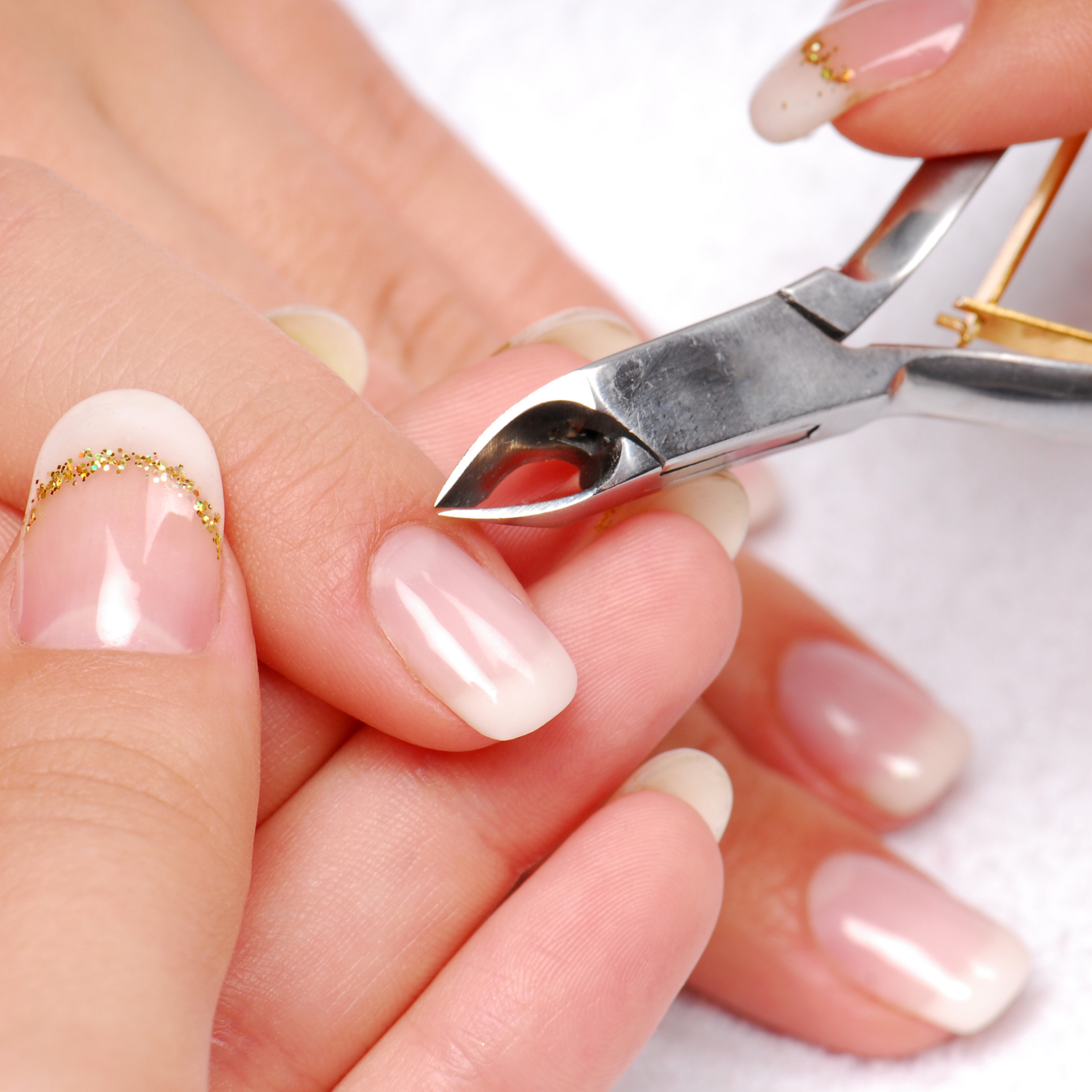
A manicure is a cosmetic beauty treatment for the hands and nails. It typically involves the cleaning, shaping, and grooming of the nails, as well as the application of nail polish. A manicure can also include hand exfoliation, massage, and the moisturising of the skin.
Recommended For
Manicures are recommended for a wide range of clients, including those who want to:
• Maintain healthy and well-groomed nails
• Enhance the appearance of their hands
• Relax and de-stress through a pampering treatment
• Prepare for a special event or occasion
• Address specific nail concerns, such as cuticle care or nail strength
Manicures are generally safe and suitable for most individuals.
Benefits
• Improved nail health and appearance
• Softened cuticles and minimised hangnails
• Enhanced nail strength and resilience
• Relaxation and stress reduction through massage
• Aesthetic enhancement through nail polish application
• Promotion of overall hand and nail hygiene
Contraindications
While manicures are generally safe, certain contraindications and precautions should be considered, such as:
• Skin infections or open wounds on the hands
• Severe nail conditions or infections
• Allergic reactions to nail products or polish
• Acute dermatitis or skin conditions on the hands
• Extremely brittle or damaged nails
Clients with these conditions should consult with a licensed manicurist or healthcare provider before receiving a manicure.
How it works
A standard manicure typically involves the following steps:
• Nail shaping and filing
• Cuticle care (pushing back or removing)
• Hand exfoliation and massage
• Nail buffing for smoothness
• Application of nail polish (optional)
• Nail strengthening treatments (optional)
The process varies depending on the specific type of manicure chosen, such as a basic, spa, gel, or acrylic manicure.
Supporting Evidence
The benefits of manicures are well-established anecdotally and based on client satisfaction. While there may not be extensive scientific evidence supporting the therapeutic effects of manicures, they are widely enjoyed for their aesthetic and relaxation benefits.
Origin & History
Manicures have a long history dating back to ancient civilisations, including Egypt and China. Over time, the practice evolved and became popularise in the United States in the early 20th century. Today, manicures are a common beauty and self-care treatment worldwide.
Proprietary or generic?
The term "manicure" is not proprietary or trademarked. It is a generic term used to describe a common beauty treatment for the hands and nails. Various brands offer nail care products and services, but the practice itself is not unique to a specific person or brand.
For Wellness Business
Staffing
Manicures are typically performed by licensed manicurists or nail technicians. These professionals receive specialised training in nail care and are often certified.
Training
Training in manicure techniques is available through cosmetology schools and nail technician programs. Nail technicians must complete a state-approved training program and pass licensing exams to practice professionally.
Products & Equipment
Manicure products and equipment include nail files, clippers, cuticle tools, nail polish, nail polish remover, hand creams, and nail strengthening treatments. These tools and products can vary depending on the type of manicure being performed.
Facilities
Manicures can be offered in various settings, including nail salons, spas, beauty salons, and even at-home services. The facility should be clean, well-lit, and equipped with the necessary tools and products for a safe and comfortable experience.