
Massage
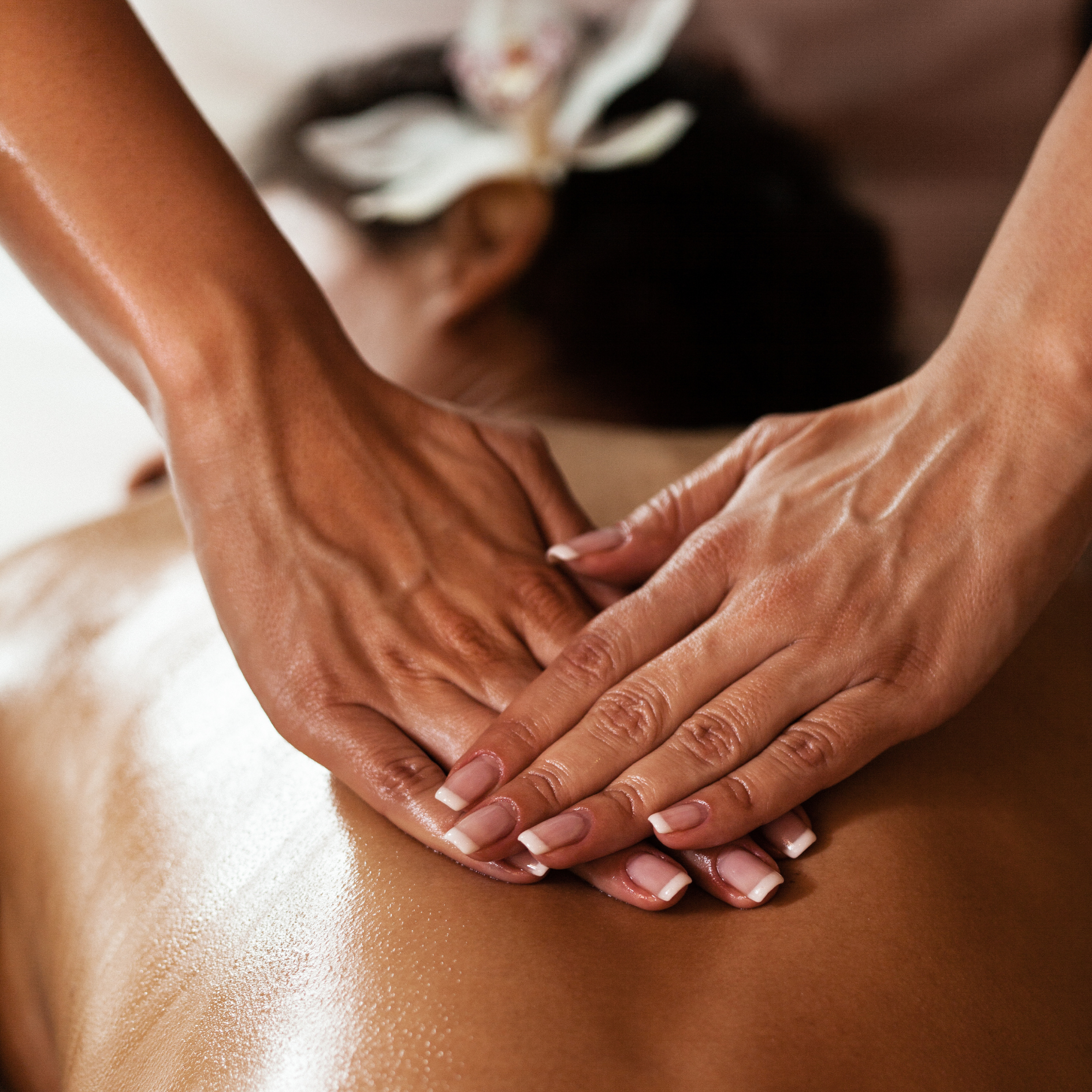
Description
Massage is a therapeutic technique that involves the manipulation of soft tissues in the body, primarily muscles, tendons, ligaments, and connective tissue. It is typically performed by a trained massage therapist using various manual techniques, such as stroking, kneading, tapping, and applying pressure to address a range of physical and relaxation-related concerns.
Recommended For
Massage is recommended for various clients and conditions, including:
• Individuals seeking relaxation and stress reduction
• People with musculoskeletal pain, tension, or discomfort
• Athletes for sports-related recovery and performance enhancement
• Individuals with specific conditions such as back pain, headaches, or sciatica
• Pregnant women (with prenatal massage)
• Those with anxiety, depression, or sleep disturbances
Massage can be tailored to suit individual needs and preferences.
Benefits
• Relaxation and stress reduction
• Pain relief and improved range of motion
• Enhanced circulation and blood flow
• Reduction of muscle tension and knots
• Promotion of lymphatic drainage
• Potential improvements in mood and mental well-being
Contraindications
While massage is generally safe, there are contraindications and precautions to consider, including:
• Active infections or contagious diseases
• Skin conditions or open wounds
• Deep vein thrombosis (DVT)
• Recent surgery or fractures
• Severe cardiac conditions
• Pregnancy complications (specific massage types)
Clients with these conditions should consult with a healthcare provider before receiving a massage.
How it works
Massage therapists use their hands, fingers, forearms, elbows, or special tools to apply various techniques to the client's body. These techniques may include Swedish massage, deep tissue massage, sports massage, shiatsu, and many others. The therapist's approach and pressure intensity depend on the client's preferences and specific concerns.
Supporting Evidence
Massage therapy is supported by substantial anecdotal evidence and clinical studies indicating its effectiveness in relieving pain, reducing stress, and improving overall well-being. However, the scientific understanding of massage mechanisms and its exact physiological effects is an ongoing area of research.
Origin & History
Massage has a long history, dating back thousands of years to ancient cultures in China, Egypt, Greece, and India. It has evolved over time and been influenced by various traditions and practices. Today, massage is a widely practised therapy worldwide.
Proprietary or generic?
The term "massage" is not proprietary or trademarked. It is a generic term used to describe a broad range of manual therapy techniques. Various massage therapists and organisations offer massage services, but the practice itself is not unique to a specific person or brand.
For Wellness Business
Staffing
Qualified massage therapists provide massage services. They may work in a variety of settings, including spas, wellness centres, clinics, and private practices. Licensing and certification requirements for massage therapists vary by location.
Training
Training in massage therapy is available through accredited massage therapy schools and programs. Prospective therapists typically complete a specific number of training hours, followed by licensing or certification exams as required by their jurisdiction.
Products & Equipment
Massage therapy primarily requires a massage table or chair, lubricants (e.g., massage oils or lotions), and clean linens. Some therapists may use specialised tools or equipment for specific techniques.
Facilities
Massage can be provided in various settings, from dedicated massage studios to spas and wellness centres. Facilities should be clean, comfortable, and conducive to relaxation.