Melasma Removal
Description
Melasma removal refers to various treatments and procedures aimed at reducing or eliminating melasma, a common skin condition characterised by dark, hyperpigmented patches on the face, typically on the cheeks, forehead, and upper lip. These treatments aim to lighten the skin and reduce the appearance of melasma.
Recommended For
Melasma removal is recommended for individuals who have been diagnosed with melasma and wish to improve the appearance of their skin. It is suitable for clients bothered by the aesthetic effects of melasma and seeking a more even skin tone.
Benefits
• Reduction or elimination of melasma patches
• Improved skin tone and complexion
• Enhanced self-confidence and self-esteem
• Potential improvement in overall skin health and appearance
Contraindications
Melasma removal procedures may not be suitable for individuals with certain contraindications, including:
• Pregnancy or breastfeeding (some treatments are not recommended during these periods)
• Active skin infections or open wounds in the treatment area
• History of allergic reactions to treatment ingredients
• Certain medical conditions or medications that may interact negatively with the procedure
It is essential for clients to consult with a qualified dermatologist or healthcare provider to determine their suitability for melasma removal.
How it works
Melasma removal methods vary and may include:
• Topical treatments: Creams or serums containing ingredients like hydroquinone, retinoids, or corticosteroids may be prescribed to lighten melasma.
• Chemical peels: Chemical solutions are applied to the skin to exfoliate the outer layers, helping reduce melasma.
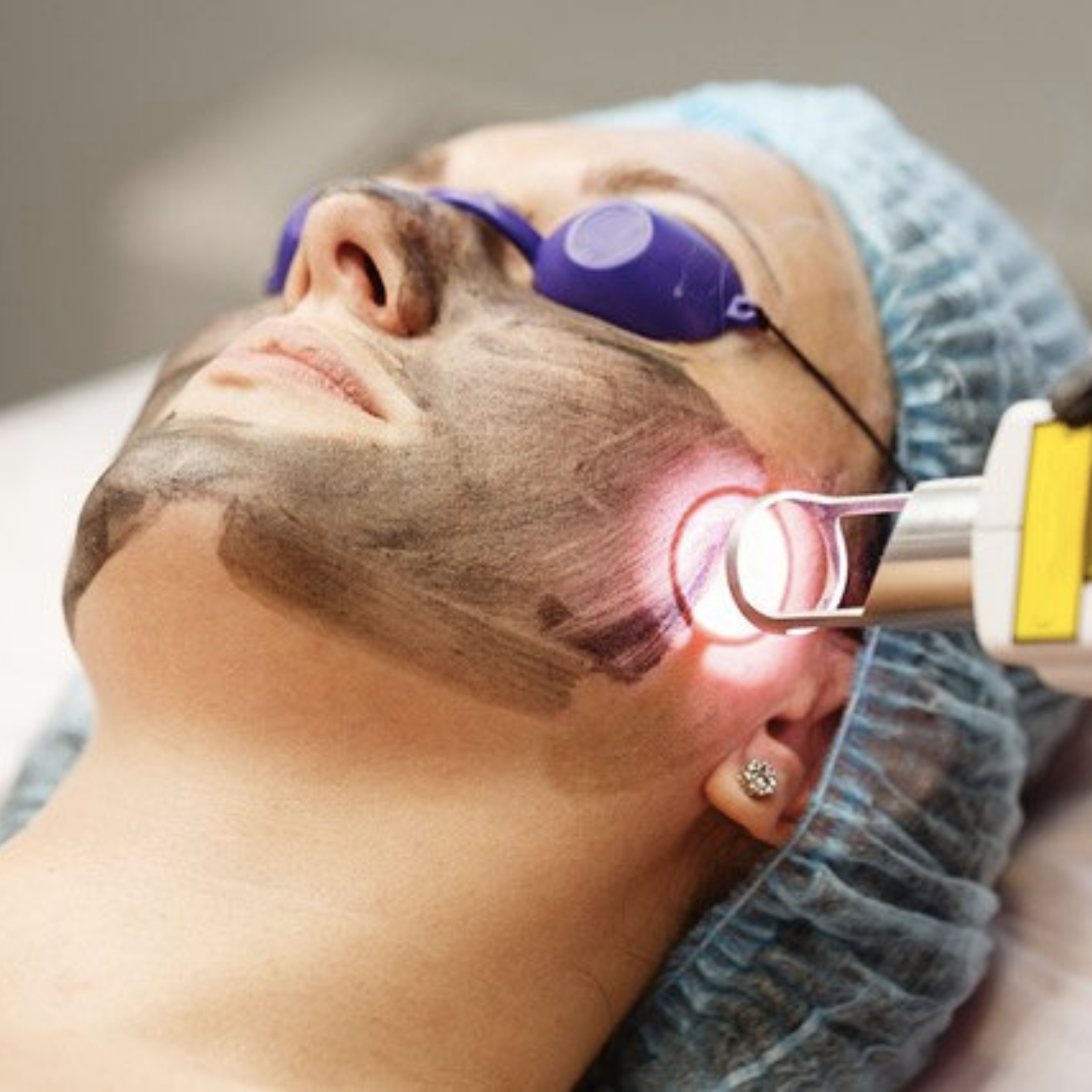
• Laser therapy: Various laser and light-based treatments target melanin pigments in the skin to break them down and reduce hyperpigmentation.
• Microdermabrasion: This procedure involves mechanical exfoliation to remove the outer skin layers, improving melasma appearance.
• Intense pulsed light (IPL): IPL devices emit intense pulses of light to target and reduce pigmentation.
The choice of method depends on the severity of melasma and the individual's skin type and condition.
Supporting Evidence
There is scientific evidence supporting the effectiveness of various melasma removal treatments. Clinical studies have demonstrated improvements in melasma appearance with topical agents, chemical peels, laser therapy, and other procedures. However, results can vary, and long-term management may be required to maintain results.
Origin & History
Melasma is a common skin condition, and treatments for its removal have evolved over time. Historically, remedies included various topical formulations and natural ingredients. Today, modern medical and cosmetic treatments are available to address melasma.
Proprietary or generic?
The term "melasma removal" itself is not proprietary or trademarked. Various medical and cosmetic brands may offer specific products or treatments for melasma, but the practice is not unique to a specific person or brand.
For Wellness Business
Staffing
Qualified dermatologists, dermatology nurses, and licensed skincare professionals can provide melasma removal treatments. It is essential to seek treatment from trained and experienced practitioners.
Training
Training for melasma removal procedures is typically part of the education and training provided to dermatologists and licensed skincare professionals. Training programs may vary depending on the specific treatment method.
Products & Equipment
Melasma removal may involve topical products, chemical peel solutions, laser or IPL devices, and microdermabrasion equipment. The choice of products and equipment depends on the selected treatment method.
Facilities
Melasma removal can be performed in various healthcare settings, including dermatology clinics, medical spas, and cosmetic surgery centres. Facilities should meet hygiene and safety standards to ensure client well-being.