Micro-Needling
Description
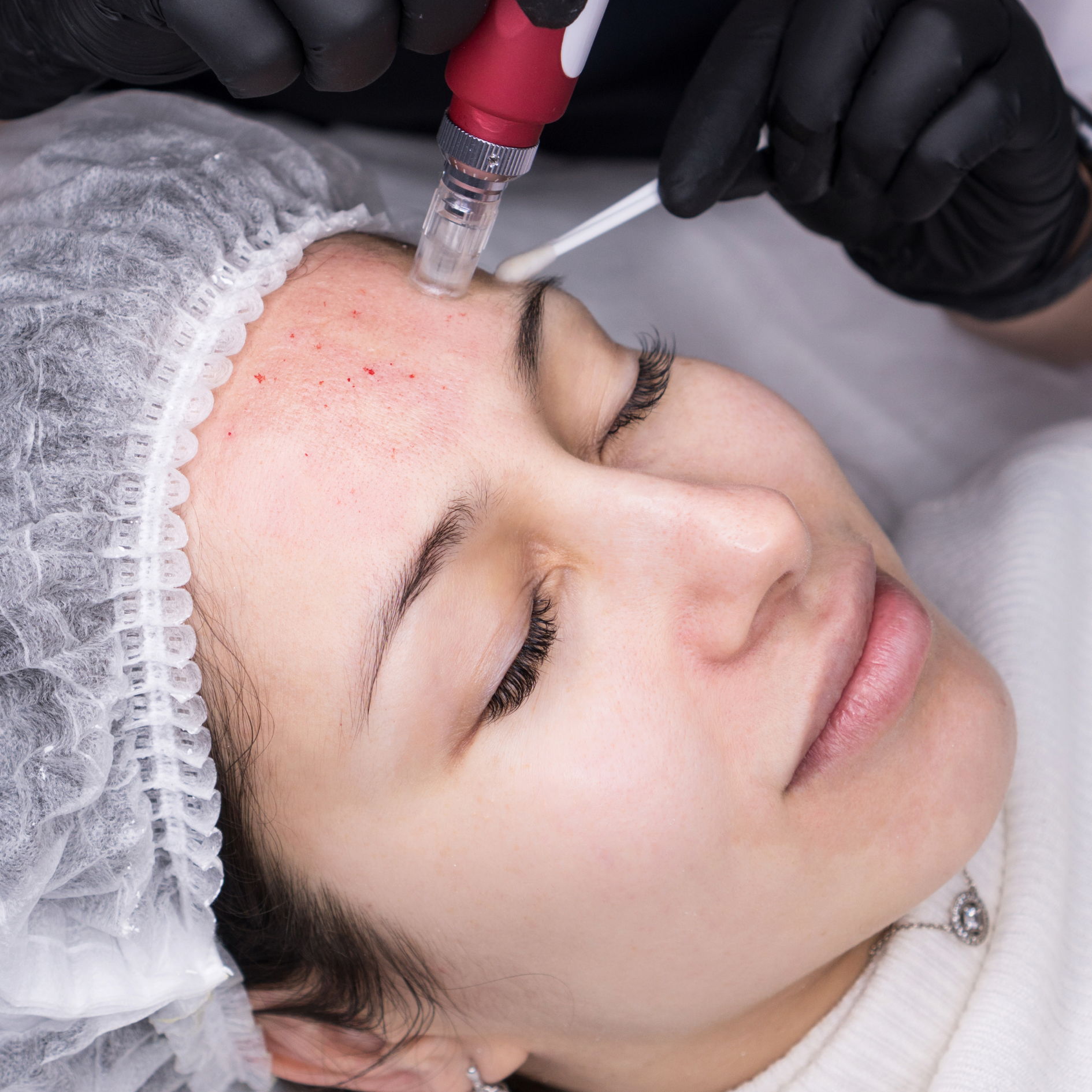
Micro-needling, also known as collagen induction therapy, is a minimally invasive cosmetic procedure that involves the use of a device with fine needles to create tiny, controlled punctures in the skin's surface. These micro-injuries stimulate the body's natural healing process, leading to the production of collagen and elastin, which can improve the texture, tone, and appearance of the skin.
Recommended For
Micro-needling is recommended for individuals seeking to address various skin concerns, including:
• Fine lines and wrinkles
• Acne scars and other types of scars
• Uneven skin texture and tone
• Enlarged pores
• Stretch marks
• Sun damage and pigmentation irregularities
It is generally suitable for most skin types but may not be recommended for individuals with certain skin conditions or sensitivities.
Benefits
• Improved skin texture and tone
• Reduction in the appearance of fine lines and wrinkles
• Diminished scars and acne scars
• Enhanced skin elasticity and firmness
• Reduction in the appearance of stretch marks
• Improved absorption of skincare products
• Minimal downtime and discomfort
Contraindications
Micro-needling may not be suitable for individuals with specific contraindications, including:
• Active acne outbreaks
• Skin infections or open wounds in the treatment area
• Pregnancy or breastfeeding
• History of keloid or hypertrophic scarring
• Use of certain medications (e.g., isotretinoin)
• Blood clotting disorders or anticoagulant medication use
A consultation with a qualified practitioner is essential to determine suitability.
How it works
Micro-needling devices create controlled micro-injuries in the skin's uppermost layer, which trigger the body's natural wound-healing response. This response involves the production of collagen and elastin, proteins that are essential for maintaining healthy, youthful skin. As collagen and elastin increase, the skin's texture and appearance improve.
Supporting Evidence
Micro-needling is widely practised in the field of dermatology and aesthetic medicine, with numerous studies supporting its efficacy in skin rejuvenation and scar reduction. Scientific evidence indicates its potential to improve skin quality and address various skin concerns.
Origin & History
Micro-needling has its origins in dermatology and was initially used for scar revision and wrinkle reduction. It gained popularity as a cosmetic procedure in the early 2000s and has since become a widely practised treatment.
Proprietary or generic?
The term "micro-needling" is not proprietary or trademarked. Various brands offer micro-needling devices and equipment, but the procedure itself is not unique to a specific person or brand.
For Wellness Business
Staffing
Micro-needling should be performed by licensed medical professionals, such as dermatologists, plastic surgeons, or trained and certified aestheticians. Practitioners should have a comprehensive understanding of skin anatomy and the procedure's safety protocols.
Training
Training in micro-needling is available through medical schools, dermatology programs, and certified training centres. Certification may be required based on local regulations.
Products & Equipment
Micro-needling equipment includes handheld devices or automated pens with fine needles. Topical numbing creams or gels may be used to minimised discomfort during the procedure. Specific serums or growth factors may also be applied to enhance results.
Facilities
Facilities offering micro-needling should maintain clean and sterile environments. The procedure can be performed in dermatology offices, medical spas, skincare clinics, and specialised aesthetic centres.