
Microdermabrasion
Description
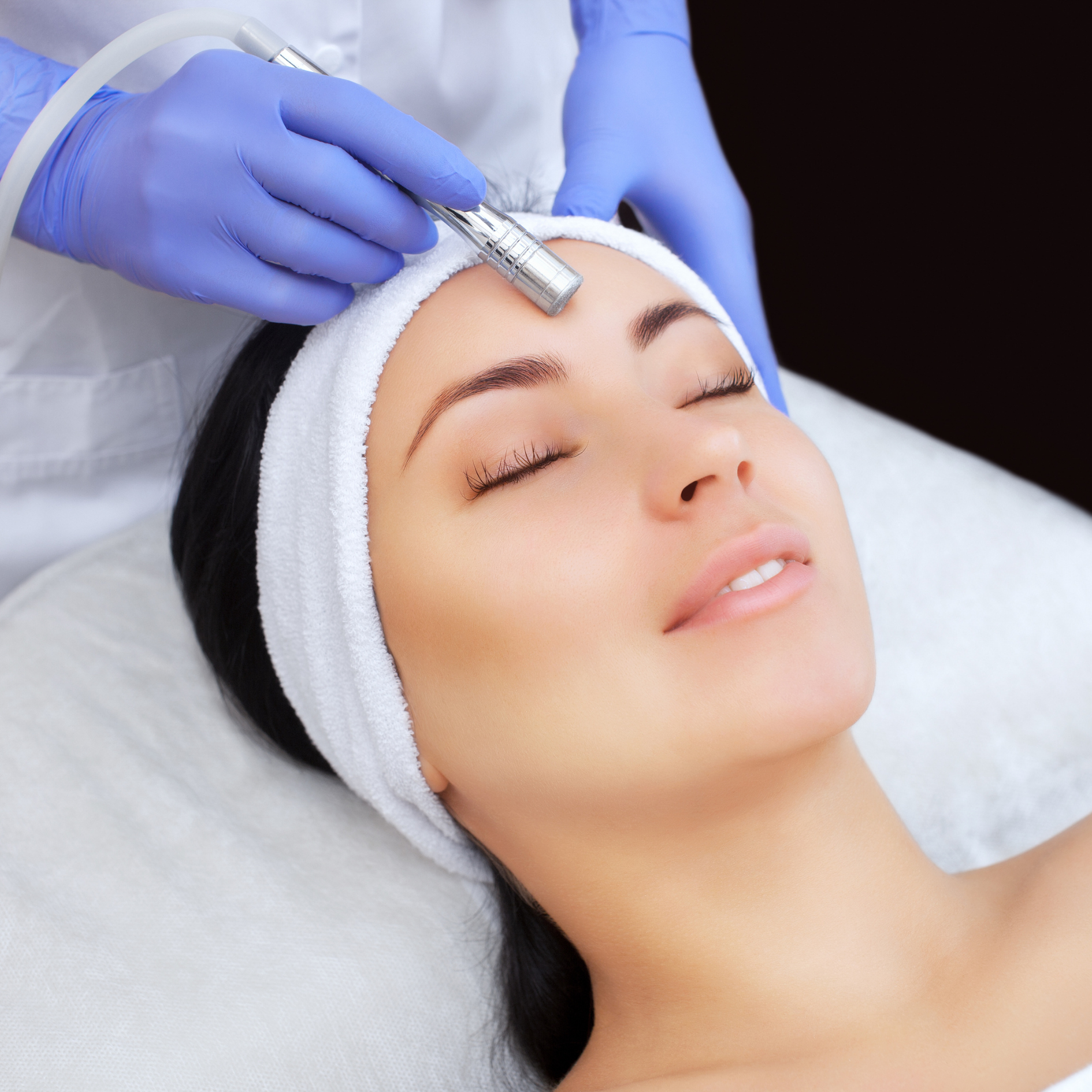
Microdermabrasion is a non-invasive cosmetic procedure that exfoliates the outermost layer of the skin to improve its texture, appearance, and overall health. It involves the use of a machine or handheld device to gently remove dead skin cells, revealing smoother, fresher-looking skin underneath.
Recommended For
Microdermabrasion is recommended for individuals looking to address various skin concerns, including:
• Dull or uneven skin tone
• Fine lines and wrinkles
• Minor acne scars and blemishes
• Enlarged pores
• Sun-damaged skin
• Mild hyperpigmentation
• Rough or dry skin texture
It is generally suitable for most skin types but may not be recommended for individuals with certain skin conditions or sensitivities.
Benefits
• Improved skin texture and tone
• Reduction in the appearance of fine lines and wrinkles
• Smoother, softer skin
• Enhanced absorption of skincare products
• Temporary reduction of minor skin imperfections
• Minimal downtime and discomfort
Contraindications
Microdermabrasion may not be suitable for individuals with specific contraindications, including:
• Active acne or rosacea
• Open wounds or lesions on the treatment area
• Uncontrolled diabetes or autoimmune disorders
• Use of certain medications (e.g., isotretinoin)
• Recent chemical peels or other skin treatments
A consultation with a qualified skincare professional is recommended to determine suitability.
How it works
Microdermabrasion works by using a machine or device to spray or buff abrasive particles (e.g., aluminium oxide crystals or diamond-tipped wands) onto the skin's surface. These particles exfoliate the outer layer of skin, removing dead skin cells and stimulating the production of collagen. The outer layer of skin is then vacuumed or suctioned away, along with the exfoliated debris.
Supporting Evidence
Microdermabrasion is a widely accepted cosmetic procedure with numerous anecdotal reports of improved skin texture and appearance. While there is limited scientific evidence regarding its long-term benefits, it is considered a safe and effective option for mild skin rejuvenation and exfoliation.
Origin & History
Microdermabrasion originated in Europe during the mid-20th century and gained popularity in the United States during the 1990s. It has since become a widely practised non-invasive cosmetic procedure.
Proprietary or generic?
The term "microdermabrasion" itself is not proprietary or trademarked. Various brands and manufacturers offer microdermabrasion machines and equipment, but the procedure is not unique to a specific person or brand.
For Wellness Business
Staffing
Microdermabrasion is typically performed by licensed aestheticians, dermatologists, or trained skincare professionals. Practitioners should have knowledge of skin anatomy, the procedure, and safety protocols.
Training
Training in microdermabrasion is available through aesthetician programs, beauty schools, and skincare training centres. Certification may be required depending on local regulations.
Products & Equipment
Microdermabrasion equipment includes machines or devices with various types of exfoliating tips and vacuum settings. Specialised skincare products, such as exfoliating gels or creams, may be used in conjunction with the procedure.
Facilities
Facilities offering microdermabrasion should maintain clean and sterile environments. The procedure can be performed in spas, skincare clinics, dermatology offices, and medical spas.