Muscle Relaxation
Description
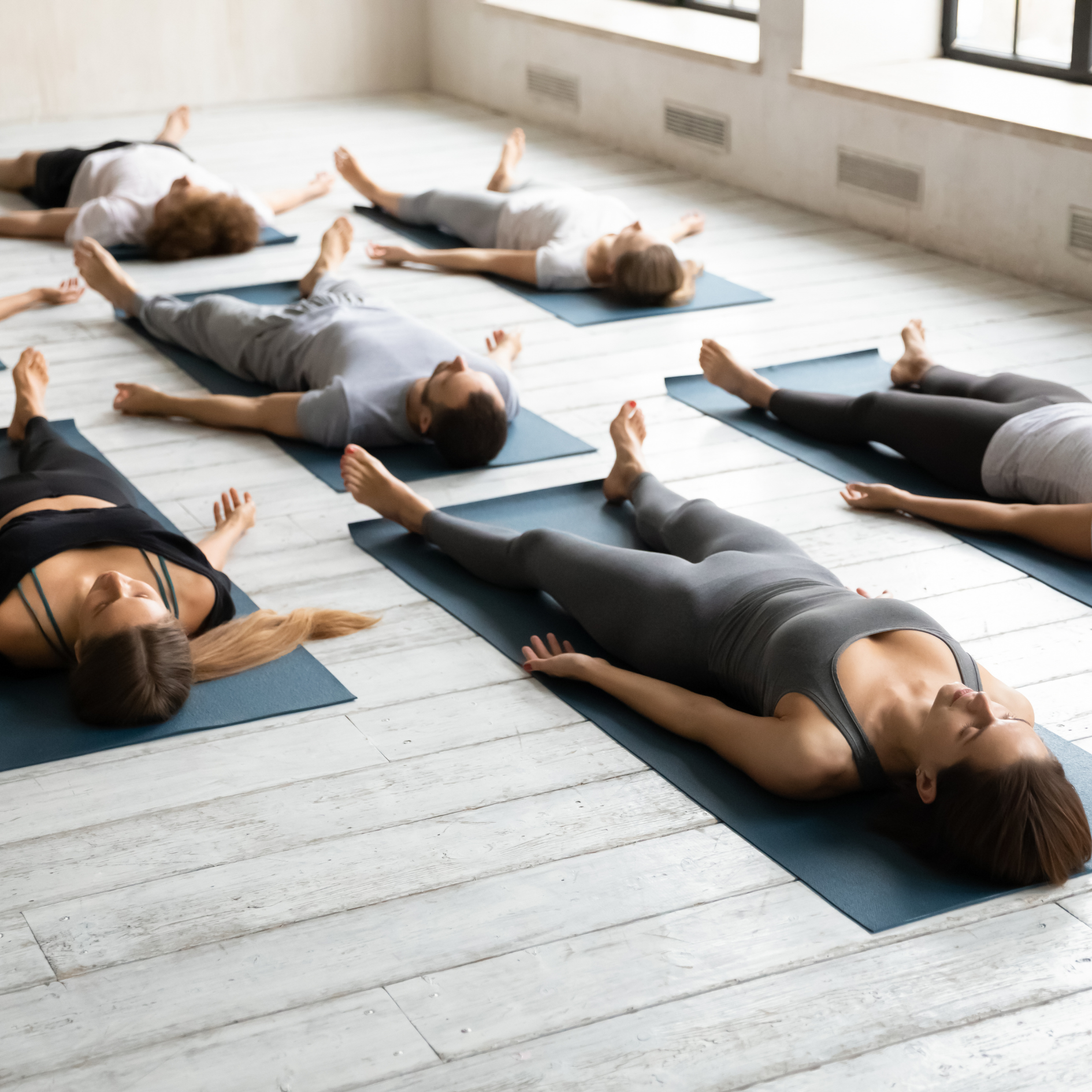
Muscle relaxation techniques encompass a range of methods designed to reduce muscle tension, promote relaxation, and alleviate physical and mental stress. These techniques can target specific muscle groups or the entire body and often involve practices such as progressive muscle relaxation, deep breathing exercises, guided imagery, meditation, and bodywork modalities like massage therapy.
Recommended For
Muscle relaxation techniques are recommended for individuals who experience muscle tension, stress, anxiety, or conditions related to muscle tightness. They can be beneficial for a wide range of clients, including those with:
• Stress and anxiety disorders
• Muscle pain or stiffness (e.g., tension headaches, neck, or back pain)
• Insomnia or sleep difficulties
• High blood pressure
• Mental health conditions (as part of stress management)
• General wellness and relaxation
Benefits
• Reduction in muscle tension and pain
• Stress and anxiety reduction
• Improved sleep quality
• Enhanced mental and physical relaxation
• Lower blood pressure and heart rate
• Increased overall sense of well-being
• Potential complementary therapy for various medical conditions
Contraindications
Muscle relaxation techniques are generally safe and have few contraindications. However, individuals with certain medical conditions or specific physical limitations may need to modify or avoid certain practices. For example:
• Deep breathing exercises may not be suitable for individuals with respiratory conditions.
• Some guided imagery practices may not be appropriate for individuals with certain mental health issues.
• Massage therapy may need to be adapted for individuals with certain medical conditions or physical injuries.
How it works
Muscle relaxation techniques work by encouraging the release of muscle tension and promoting a state of relaxation in both the body and mind. Techniques like progressive muscle relaxation involve systematically tensing and then releasing muscle groups to increase awareness of tension and encourage relaxation. Deep breathing exercises and meditation help calm the nervous system and reduce stress hormones.
Supporting Evidence
There is a substantial body of evidence supporting the effectiveness of muscle relaxation techniques for stress reduction, pain management, and overall well-being. Research has demonstrated the physiological and psychological benefits of these practices, including improved sleep, reduced muscle tension, and lower stress levels.
Origin & History
Muscle relaxation techniques have roots in ancient practices like yoga and meditation. In the modern era, these techniques have been developed and refined by healthcare professionals, psychologists, and complementary therapists.
Proprietary or generic?
Muscle relaxation techniques themselves are not proprietary, as they encompass a wide range of practices and methods. Specific techniques or programs developed by individual therapists or organisations may be trademarked or unique to a particular brand or practitioner.
For Wellness Business
Staffing
Muscle relaxation techniques can be taught and practised by a wide range of professionals, including mental health therapists, yoga instructors, massage therapists, and wellness coaches. Qualifications vary based on the specific technique and practitioner's background.
Training
Training in muscle relaxation techniques is available through courses, workshops, and certifications offered by various healthcare organisations, wellness centres, and educational institutions. Mental health professionals may also incorporate these techniques into their therapeutic practices.
Products & Equipment
Muscle relaxation techniques typically do not require specialised equipment. However, some practitioners may use props like yoga mats, meditation cushions, or massage tables, depending on the specific technique being used.
Facilities
No specialised facilities are typically required for muscle relaxation techniques. Sessions can be conducted in various settings, including private offices, therapy rooms, yoga studios, and wellness centres.