
PHOTOBIOSTIMULATION
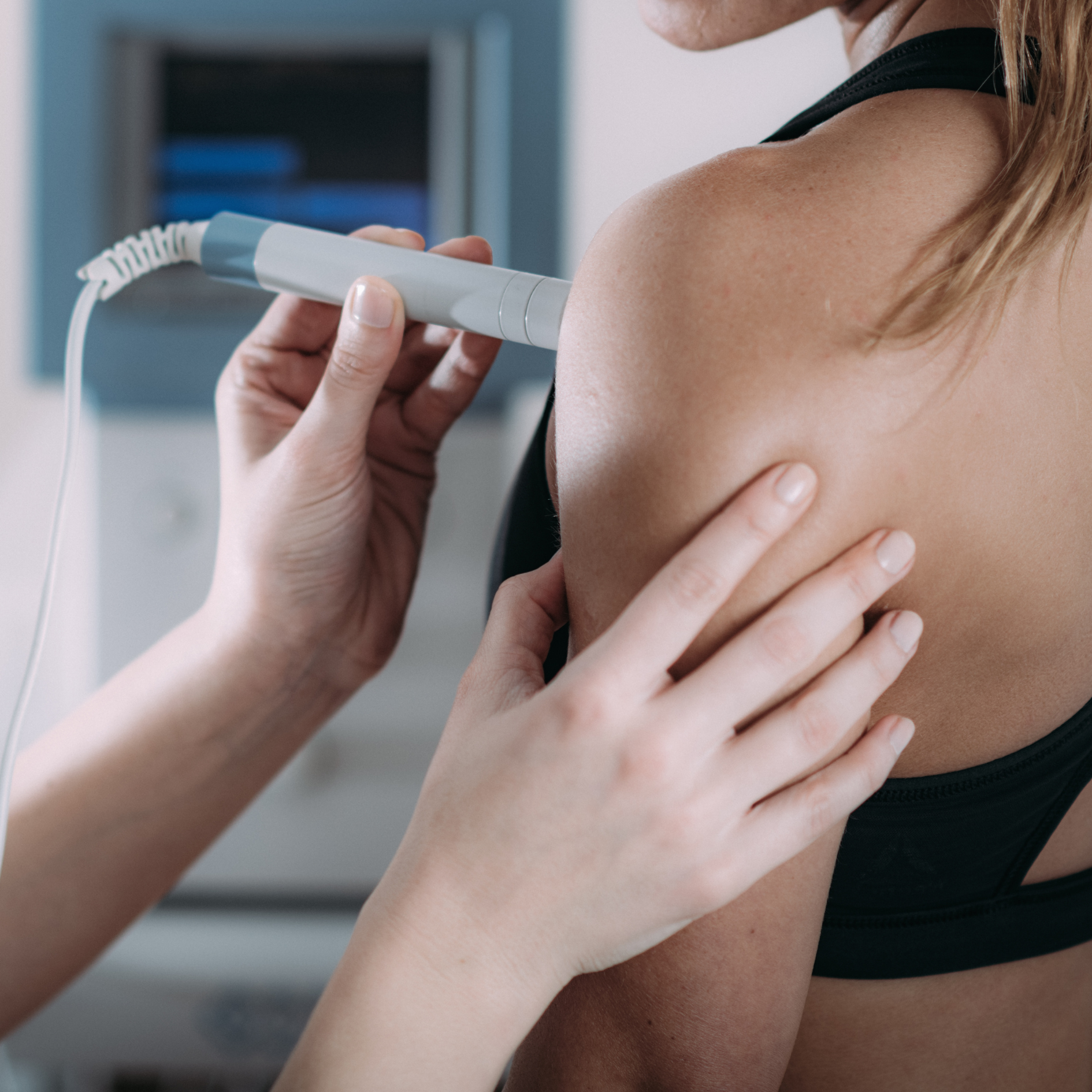
Description
Photobiostimulation, also known as low-level laser therapy (LLLT) or cold laser therapy, is a non-invasive medical treatment that uses low-level lasers or light-emitting diodes (LEDs) to stimulate cellular processes and promote healing. It is used to address various health conditions and improve tissue repair, reduce pain, and decrease inflammation.
Recommended For
Photobiostimulation may be recommended for individuals with a range of conditions, including:
• Pain management (e.g., musculoskeletal pain)
• Soft tissue injuries (e.g., sprains, strains)
• Wound healing
• Inflammatory conditions (e.g., arthritis)
• Neurological disorders (e.g., neuropathy)
• Skin conditions (e.g., acne, scars)
Benefits
The benefits of photobiostimulation may include:
• Pain reduction
• Accelerated tissue healing
• Reduced inflammation
• Improved circulation
• Enhanced collagen production
• Neurological and vascular improvements
Contraindications
Contraindications for photobiostimulation may include:
• Pregnancy (over the abdomen or pelvis)
• Active cancer
• Photosensitivity disorders
• Eye exposure without appropriate protection
• Epilepsy (specific wavelengths may trigger seizures)
How it works
Photobiostimulation works by delivering low-level laser or LED light to targeted areas of the body. The light is absorbed by cellular components, particularly mitochondria, stimulating various cellular processes. This can result in increased ATP (adenosine triphosphate) production, which provides energy for cellular repair and healing. It also promotes the release of nitric oxide, which improves blood flow and reduces inflammation.
Supporting Evidence
There is a substantial body of scientific research supporting the effectiveness of photobiostimulation for various conditions. Studies have demonstrated its benefits in pain management, wound healing, and tissue repair. However, the level of evidence may vary depending on the specific condition being treated.
Origin & History
The use of light therapy for healing dates back to ancient civilisations. The development of modern photobiostimulation began in the 1960s and has since evolved into a widely accepted medical treatment.
Proprietary or generic?
Photobiostimulation is a generic term used to describe the therapeutic use of low-level lasers or LEDs for promoting healing and reducing pain. While there may be branded devices and equipment available, the therapy itself is not typically proprietary or trademarked.
For Wellness Business
Staffing
Photobiostimulation can be performed by healthcare professionals trained in the use of low-level lasers or LEDs for therapeutic purposes. This may include physicians, physical therapists, chiropractors, and other licensed healthcare providers.
Training
Training in photobiostimulation is typically offered through specialised courses and workshops. Practitioners should receive proper education on the safe and effective use of the equipment.
Products & Equipment
Photobiostimulation equipment includes low-level lasers or LED devices designed for therapeutic use. These devices are available in various forms, such as handheld devices, panels, and larger machines, depending on the application.
Facilities
Facilities offering photobiostimulation should provide a safe and clean environment. Specialised treatment rooms may be equipped with the necessary devices and protective eyewear.