
PHOTOREJUVENATION
Description
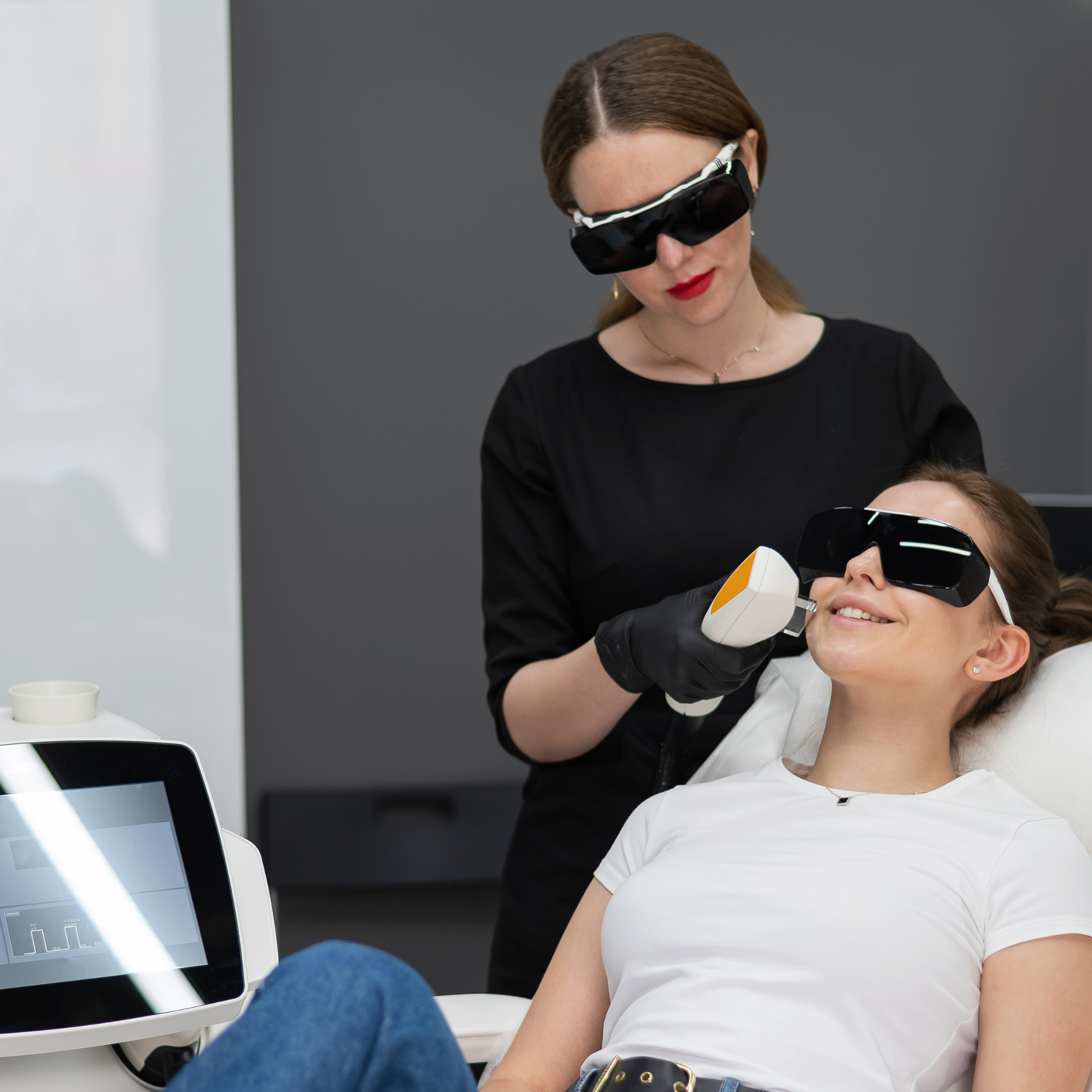
Photorejuvenation, also known as photofacial or IPL (Intense Pulsed Light) therapy, is a non-invasive cosmetic procedure that uses light-based technology to improve the appearance of the skin. It is commonly used to target skin concerns such as sun damage, age spots, redness, and fine lines, resulting in a more youthful and even complexion.
Recommended For
Photorejuvenation is recommended for clients who have the following skin concerns or conditions:
• Sun damage and sunspots (solar lentigines).
• Age spots (liver spots).
• Redness and rosacea.
• Spider veins (small blood vessels on the face).
• Uneven skin tone and texture.
• Fine lines and mild wrinkles.
Benefits
The benefits of photorejuvenation may include:
• Improved skin texture and tone.
• Reduction in the appearance of age spots and sunspots.
• Minimised redness and rosacea symptoms.
• Diminished fine lines and wrinkles.
• Enhanced overall skin appearance and a more youthful look.
Contraindications
Photorejuvenation may not be suitable for individuals with certain conditions or characteristics, including:
• Dark or tanned skin (higher risk of pigmentation changes).
• Active skin infections or herpes outbreaks.
• Pregnancy.
• History of keloid scarring.
• Photosensitivity disorders.
• Use of photosensitising medications.
How it works
Photorejuvenation works by delivering intense pulsed light (IPL) or laser energy into the deeper layers of the skin. This energy targets melanin (pigment) and haemoglobin (red blood cells) in the skin, breaking down pigmented lesions and reducing redness. The body's natural healing processes then gradually remove these targeted imperfections, resulting in clearer, more youthful-looking skin.
Supporting Evidence
There is a substantial body of evidence supporting the effectiveness of photorejuvenation for various skin concerns. Clinical studies and reviews have shown significant improvement in skin texture, tone, and pigmentation after IPL or laser treatments.
Origin & History
The use of light-based technology for skin rejuvenation dates back to the late 1990s. Over the years, photorejuvenation techniques have evolved, leading to improved safety and efficacy.
Proprietary or generic?
Photorejuvenation is a generic term for this type of cosmetic procedure. However, specific IPL or laser systems used for photorejuvenation may be proprietary and trademarked by manufacturers or brands. Clients should inquire about the specific device and technology used by the practitioner.
For Wellness Business
Staffing
Photorejuvenation procedures are typically performed by licensed healthcare professionals, such as dermatologists, plastic surgeons, or trained and certified aestheticians. Proper qualifications and training are essential for safe and effective treatment.
Training
Training for photorejuvenation practitioners involves learning about the specific devices, techniques, and safety protocols associated with IPL or laser treatments. Many organisations and training centres offer courses for practitioners interested in providing photorejuvenation services.
Products & Equipment
Photorejuvenation requires specialised IPL or laser devices that emit controlled light energy. These devices vary in terms of specifications, including wavelength, fluence, and cooling systems. Safety goggles and cooling gel may also be used during treatment.
Facilities
Facilities offering photorejuvenation should have the appropriate equipment, treatment rooms, and safety measures in place. Protective eyewear is essential for both clients and practitioners during the procedure.