
PIGMENTATION REMOVAL
Description
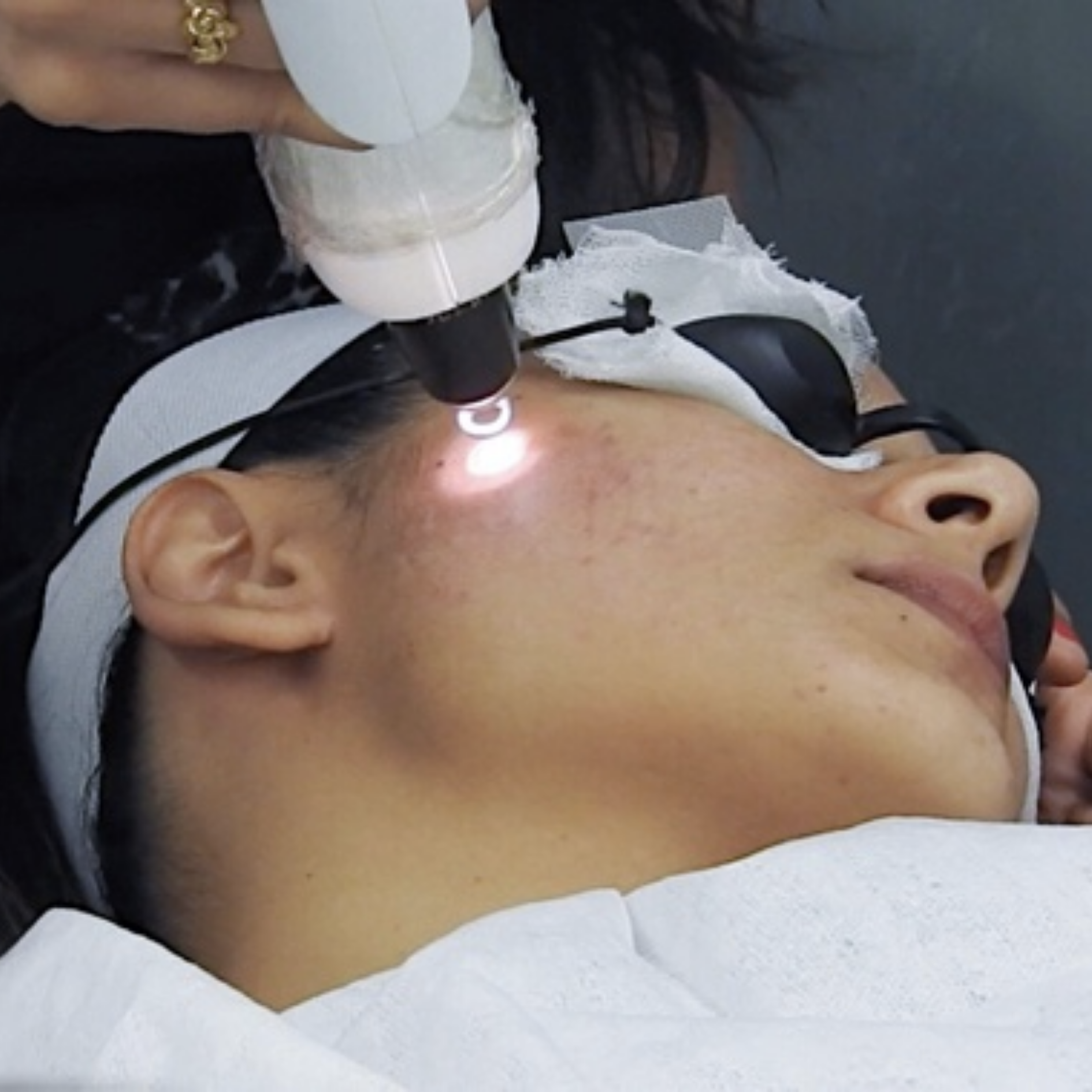
Pigmentation removal refers to the process of reducing or eliminating unwanted pigmented areas on the skin, such as age spots, sunspots, freckles, and certain types of hyperpigmentation. It is typically done for cosmetic reasons to achieve a more even skin tone.
Recommended For
Pigmentation removal is recommended for individuals who have unwanted pigmented areas on their skin and wish to improve their skin's appearance. It is not typically recommended for individuals with certain skin conditions or those with active skin infections.
Benefits
The benefits of pigmentation removal include:
• Improved skin tone and texture.
• Enhanced overall appearance.
• Increased self-confidence.
• Reduction or elimination of unwanted pigmented areas.
Contraindications
Pigmentation removal may not be recommended for individuals with the following contraindications:
• Active skin infections or open wounds in the treatment area.
• Skin conditions that could be exacerbated by the procedure.
• Pregnancy or breastfeeding (in some cases).
• A history of adverse reactions to pigmentation removal treatments.
How it works
There are various methods for pigmentation removal, including:
• Laser therapy: High-intensity laser light targets and breaks down pigmented cells, allowing the body to naturally eliminate them.
• Chemical peels: Chemical solutions are applied to the skin, causing the top layer to peel off and revealing new, less pigmented skin underneath.
• Topical treatments: Over-the-counter or prescription creams and serums containing ingredients like hydroquinone, kojic acid, or retinoids can be used to lighten pigmented areas over time.
• Cryotherapy: Liquid nitrogen is applied to freeze and remove pigmented lesions.
• Microdermabrasion: Exfoliation of the top skin layer to reduce pigmentation.
• IPL (Intense Pulsed Light) therapy: Broad-spectrum light targets melanin in pigmented cells, causing them to break down and fade.
Supporting Evidence
There is scientific evidence supporting the effectiveness of various pigmentation removal methods, particularly laser therapy and chemical peels. However, individual results can vary, and the choice of treatment depends on the specific pigmentation issue and skin type.
Origin & History
The use of various pigmentation removal methods has a long history, with traditional remedies dating back centuries. Modern pigmentation removal treatments have evolved with advancements in technology and dermatology.
Proprietary or generic?
Pigmentation removal is a generic term for the process of reducing or eliminating pigmented areas on the skin. Specific treatments or devices used for pigmentation removal may be proprietary or trademarked by the manufacturers or providers offering them. Clients should inquire about the specific products and techniques used in their chosen treatment.
For Wellness Business
Staffing
Qualified professionals, such as dermatologists, licensed aestheticians, and laser technicians, may perform pigmentation removal treatments. The qualifications required can vary based on local regulations and the specific procedure being offered.
Training
Training for pigmentation removal varies depending on the method and local regulations. Professionals may complete specialised courses or certifications in laser therapy, chemical peels, or other relevant procedures.
Products & Equipment
Pigmentation removal may require specialised equipment such as lasers, cryotherapy devices, or chemical peel solutions. These products and equipment should meet safety and regulatory standards.
Facilities
Facilities for pigmentation removal should adhere to strict hygiene and safety standards. This may include clean treatment rooms, proper sterilisation of equipment, and compliance with local health regulations.