PORE REDUCTION
Description
Pore reduction refers to cosmetic treatments and skincare routines designed to minimised the appearance of enlarged or clogged pores on the skin's surface. Enlarged pores are often associated with excess oil production, genetics, or age-related changes. Pore reduction methods aim to improve the skin's texture and reduce the visibility of pores for a smoother and more even complexion.
Recommended For
Pore reduction treatments and skincare routines are recommended for individuals who want to address common skin concerns such as:
• Enlarged or clogged pores.
• Oily or acne-prone skin.
• Uneven skin texture.
• Dull or congested skin.
Benefits
The potential benefits of pore reduction include:
• Minimised appearance of pores.
• Improved skin texture and smoothness.
• Reduced oiliness and shine.
• Enhanced overall complexion.
• Potential reduction in acne and blackheads.
Contraindications
While pore reduction treatments are generally safe, they may not be suitable for individuals with certain skin conditions or sensitivities. Contraindications may include:
• Skin allergies or sensitivities to treatment ingredients.
• Active skin infections or open wounds.
• Recent sunburn or skin damage.
• Pregnancy or breastfeeding (some treatments may be contraindicated).
How it works
Pore reduction methods may include the use of topical skincare products, professional treatments, or a combination of both. Common approaches to pore reduction include:
• Cleansing and exfoliating to remove debris and unclog pores.
• Topical products containing ingredients like salicylic acid, retinoids, or niacinamide to reduce oil production and promote skin cell turnover.
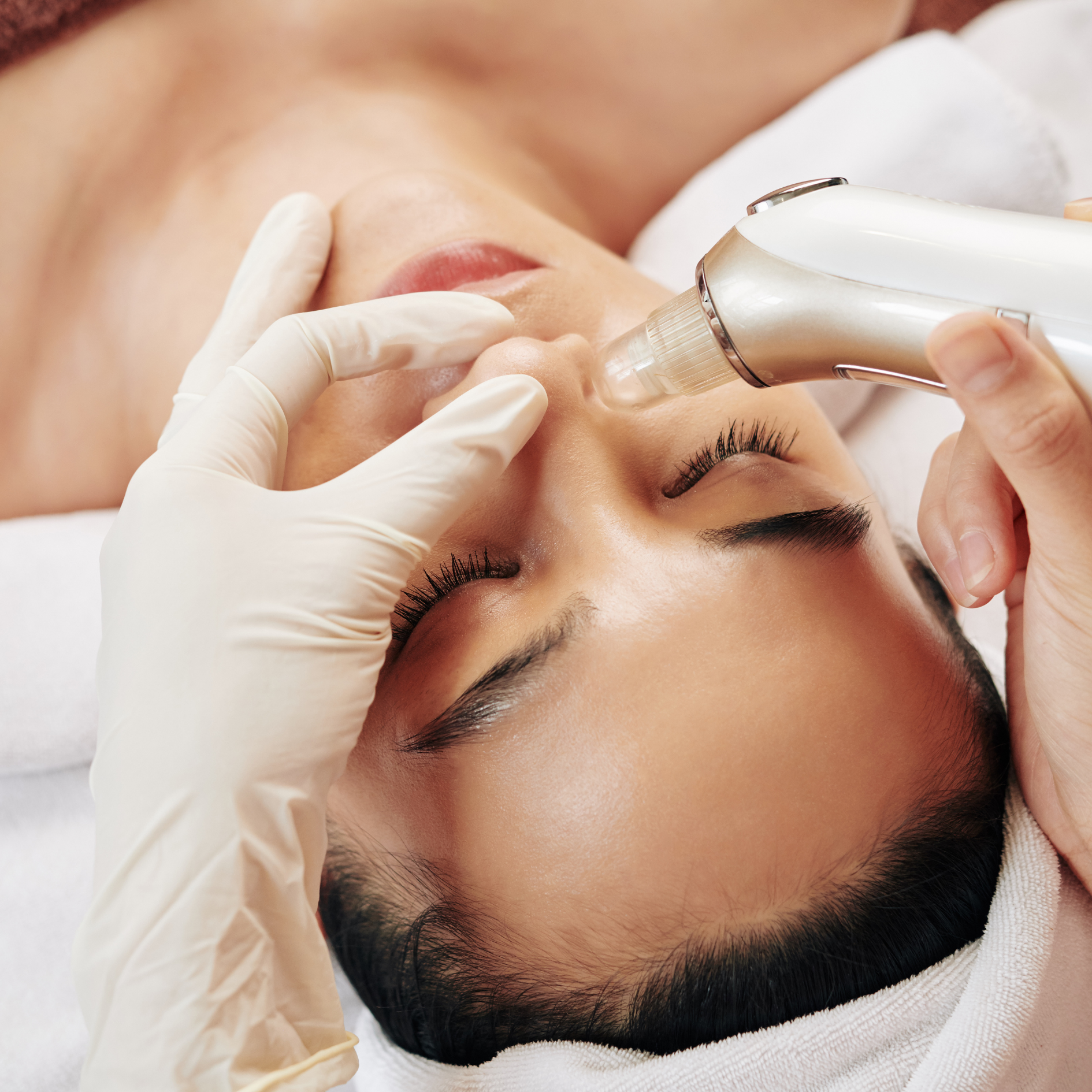
• Professional treatments such as chemical peels, microdermabrasion, laser therapy, or microneedling to improve skin texture and reduce pore sized.
Supporting Evidence
Pore reduction methods are widely practised in the skincare and cosmetic industry, and many individuals report visible improvements in skin texture and pore sized with consistent use of appropriate products and treatments. However, scientific evidence on the efficacy of various pore reduction methods can vary, and results may be influenced by individual factors.
Origin & History
The concept of skincare and cosmetics, including pore reduction, has a long history dating back centuries. Modern skincare routines and professional treatments have evolved significantly over time, with advances in dermatology and cosmetic science.
Proprietary or generic?
Pore reduction is a generic term encompassing various treatments and skincare products. While specific brands and products may be trademarked, the concept of pore reduction itself is not proprietary and is widely practised in the skincare industry.
For Wellness Business
Staffing
Pore reduction treatments can be performed by various skincare professionals, including dermatologists, licensed aestheticians, and skincare therapists. The qualifications required may vary depending on the specific treatment or procedure.
Training
Professionals who offer pore reduction treatments typically receive training through accredited programs in aesthetics, dermatology, or cosmetic procedures. Training may include coursework in skincare products, facial treatments, and specialised pore reduction techniques.
Products & Equipment
Pore reduction products may include cleansers, toners, serums, masks, and moisturisers designed to target enlarged pores. Professional treatments may require specialised equipment such as lasers, microdermabrasion machines, or chemical peel solutions.
Facilities
Pore reduction treatments can be performed in skincare clinics, medical spas, and dermatology offices. Facilities should adhere to hygiene and safety standards and provide a clean and comfortable environment for clients.