
PRP (PLATELET-RICH PLASMA) THERAPY
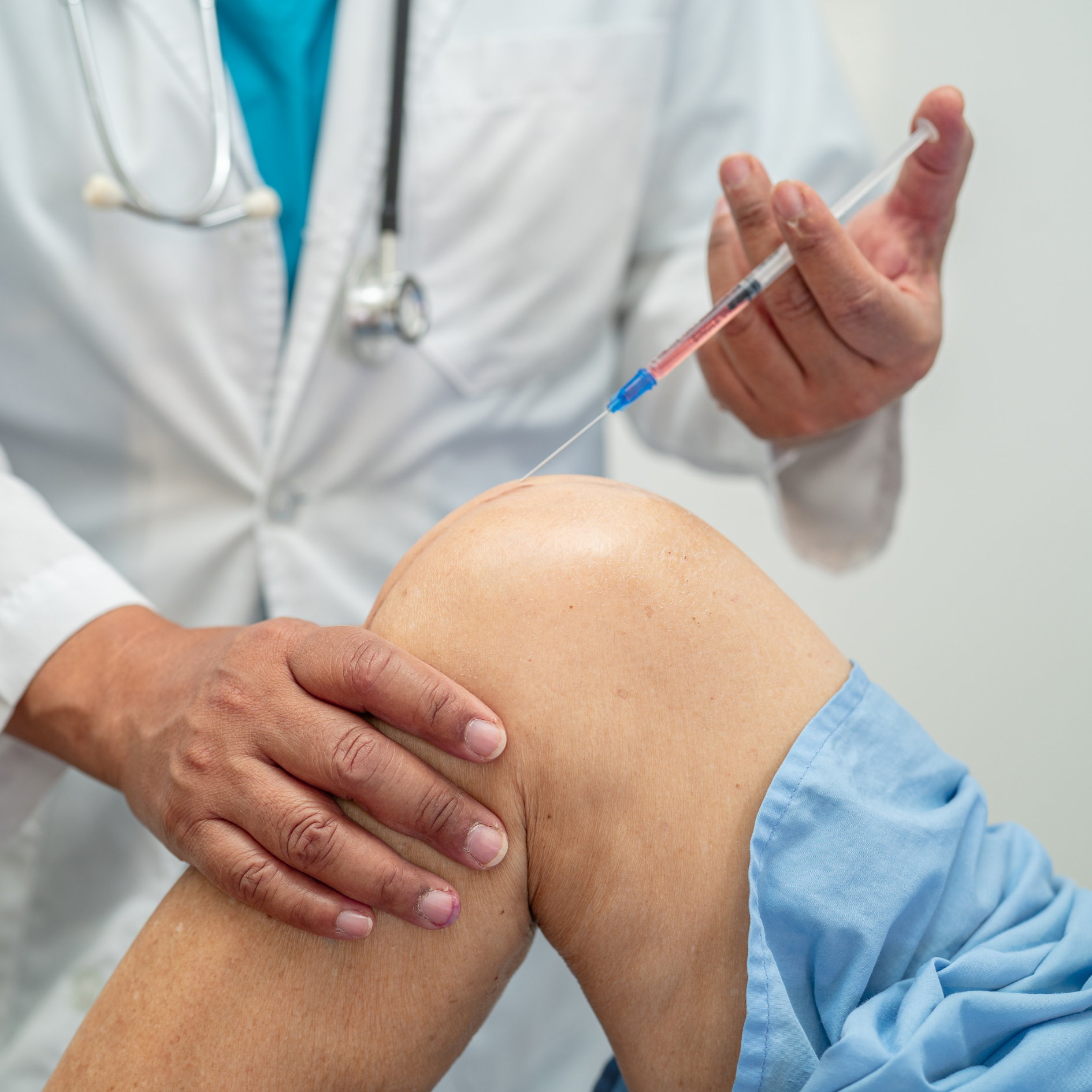
Description
PRP (Platelet-Rich Plasma) therapy is a medical treatment that uses a patient's own blood to promote healing and tissue regeneration. It involves collecting a small amount of the patient's blood, processing it to concentrate the platelets, growth factors, and other healing components, and then injecting this PRP into the targeted area of the body. PRP therapy is widely used in various medical and aesthetic fields to accelerate healing, reduce pain, and improve tissue quality.
Recommended For
PRP therapy is recommended for a range of clients and health conditions, including:
• Orthopaedic injuries: Tendonitis, ligament injuries, osteoarthritis, and other musculoskeletal conditions.
• Aesthetic purposes: Facial rejuvenation, hair loss treatment, and scar reduction.
• Chronic wounds: Non-healing ulcers or wounds.
• Dental procedures: Enhancing healing after oral surgeries.
• Sports injuries: Athletes with acute or chronic injuries.
• Pain management: Reducing pain and inflammation in various conditions.
Benefits
The potential benefits of PRP therapy may include:
• Accelerated tissue healing and regeneration.
• Reduced pain and inflammation.
• Improved tissue quality and function.
• Non-surgical facial rejuvenation.
• Hair restoration.
• Enhanced recovery after surgery or injury.
• Minimal risk of allergic reactions or rejection, as PRP is derived from the patient's own blood.
Contraindications
PRP therapy may not be suitable for individuals with certain contraindications, including:
• Active infections in the treatment area.
• Blood disorders or low platelet counts.
• Pregnancy or breastfeeding.
• Severe chronic diseases, such as cancer or systemic infections.
• Severe allergies to blood products.
How it works
PRP therapy works by harnessing the regenerative potential of platelets and growth factors found in the patient's own blood. The process typically involves the following steps:
• Blood collection: A small amount of the patient's blood is drawn.
• Centrifugation: The blood is processed in a centrifuge to separate the platelet-rich plasma from other blood components.
• Activation: Calcium chloride or other activators may be added to stimulate platelets.
• Injection: The concentrated PRP is injected into the targeted area, where it releases growth factors and stimulates tissue repair and regeneration.
Supporting Evidence
Numerous clinical studies support the effectiveness of PRP therapy for various applications, including orthopaedic, aesthetic, and wound healing purposes. However, the outcomes can vary depending on the specific condition and individual factors.
Origin & History
PRP therapy has been used in medical practice since the 1970s, primarily in orthopaedics and dentistry. It gained popularity in aesthetics and sports medicine in recent years.
Proprietary or generic?
PRP therapy itself is not proprietary and is a generic medical procedure. However, there are specific PRP preparation kits and equipment that may be proprietary to individual manufacturers or brands.
For Wellness Business
Staffing
Qualified medical professionals, such as physicians, surgeons, or dermatologists, typically perform PRP therapy. Aesthetic practitioners and some dentists may also offer PRP treatments.
Training
Training for PRP therapy is usually provided through medical associations, device manufacturers, or accredited courses. Medical professionals should receive proper training to perform PRP safely and effectively.
Products & Equipment
PRP therapy requires a PRP preparation kit, centrifuge machine, and sterile injection supplies. There are various PRP kits and equipment available from different manufacturers.
Facilities
PRP therapy can be performed in medical clinics, aesthetic centres, dental offices, and other healthcare facilities with the necessary equipment and a sterile environment.